




Water Smarter, Not Harder
The golden rule of watering is to do it deeply, but less frequently. A light, daily sprinkle encourages shallow roots, leaving plants vulnerable during dry spells. Instead, water your plants thoroughly until the soil is moist several inches down. This
encourages roots to grow deeper in search of moisture, making them more resilient. The best time to water is in the early morning before the sun gets strong. This reduces evaporation and allows the water to soak in effectively. Evening watering is a second-best option, but morning is ideal to prevent fungal diseases that can develop on damp leaves overnight.
Embrace the Magic of Mulch
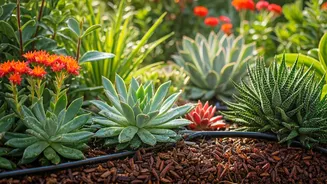
Think of mulch as a protective blanket for your soil. A layer of organic material—like wood chips, dried leaves, straw, or even sugarcane bagasse—spread over the soil surface does wonders. It dramatically slows down water evaporation, keeping the soil moist for longer. It also suppresses weed growth, and weeds are notorious water thieves. As the organic mulch breaks down, it enriches the soil with nutrients, improving its structure and water-holding capacity. Applying a two-to-three-inch layer around your plants (but not touching the stems) is one of the most effective water-saving actions you can take.
Choose Your Plants Wisely
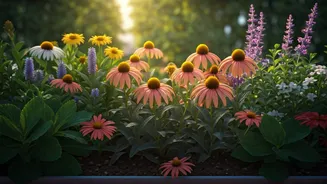
Fighting nature is a losing battle. Instead of trying to grow water-hungry plants in a dry climate, choose species that are naturally adapted to your local conditions. India has a wealth of beautiful, drought-tolerant plants. Think vibrant bougainvillea, hardy succulents like agave and aloe vera, cheerful portulaca (also known as office-time flower), and fragrant jasmine or periwinkle (sadabahar). These plants are not only beautiful but also require significantly less water once established. Grouping plants with similar water needs together, a practice called hydrozoning, also simplifies your watering routine and prevents over or under-watering.
Upgrade Your Watering Tools
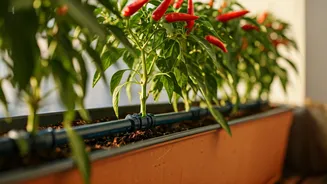
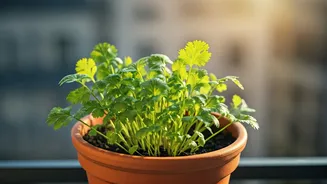
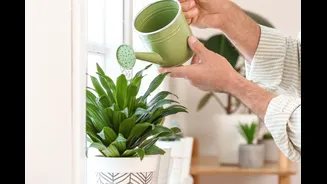
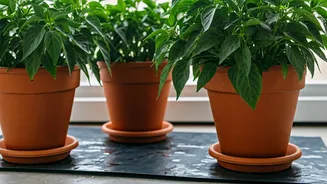
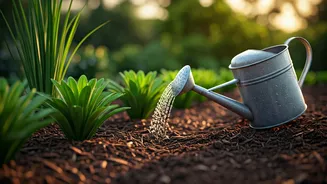
How you deliver water is just as important as when you deliver it. Sprinklers and open hoses can be incredibly wasteful, with much of the water lost to evaporation or runoff before it even reaches the plant's roots. Consider investing in a drip irrigation system or soaker hoses. These systems deliver water slowly and directly to the soil at the base of the plant, right where it's needed. This minimises waste and ensures that every drop is put to good use. For container gardens on balconies and terraces, a simple watering can with a long spout allows you to target the soil directly, avoiding wastage on foliage.
Improve Your Soil's Health
Healthy soil is the foundation of a water-wise garden. Soil rich in organic matter acts like a sponge, absorbing water and holding it for plants to use. Sandy soils, on the other hand, let water drain away too quickly, while heavy clay soils can become waterlogged. You can improve any soil type by regularly adding compost. Compost improves soil structure, aeration, and, most importantly, its ability to retain moisture. By creating a rich, living soil, you create a reservoir of water for your plants, reducing the need for frequent irrigation.
Harvest Every Precious Drop
Don't let free water go to waste. During the monsoon or even a brief shower, you can capture a surprising amount of rainwater. Even a simple setup of placing a few buckets or a large drum under a downspout from your roof can provide a substantial amount of high-quality, chlorine-free water for your plants. This harvested water is perfect for your most delicate plants and containers. It reduces your reliance on municipal water and connects your garden to the natural water cycle in a more direct and sustainable way.