








The Cloud Has a Physical Problem
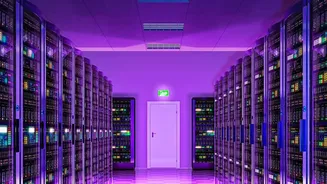
Every time you stream a movie, join a video call, or ask an AI chatbot a question, you are using a hyperscale data center. These are warehouse-sized facilities packed with tens of thousands of computer servers, owned and operated by tech giants like Amazon,
Google, and Microsoft. They are the engines of the modern internet. But as our demand for data skyrockets, particularly with the boom in artificial intelligence, the physical reality of these digital factories is becoming impossible to ignore. A wave of new reports and regulatory pressure is forcing a difficult conversation about their enormous appetite for electricity and water, challenging the green pledges of the world's biggest tech companies.
Startling New Emissions Data
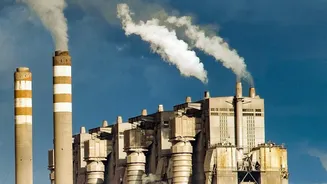
The 'fresh scrutiny' is being driven by stark new data. A landmark Harvard-led study published in November 2026 found that just 403 of the largest data centers in the U.S. produced an estimated 25.7 million metric tons of carbon dioxide in a single year, an amount comparable to the annual emissions of the entire country of Denmark. The report, published in 'Nature Sustainability,' revealed that more than half of the electricity powering these facilities came from fossil fuels, primarily natural gas and coal. This contradicts the industry's image of clean, efficient computing and suggests emissions are two to three times higher than previous estimates. Researchers warn that these figures are likely already outdated, as the AI boom has accelerated data center construction since the study period concluded in April 2025.
The AI Boom's Unquenchable Thirst
The explosive growth of artificial intelligence is the primary driver behind this increased energy use. Training and running large AI models is incredibly computationally intensive. As a result, the electricity consumption at major tech firms is soaring. Recent sustainability reports showed emissions climbing at Google, Amazon, and Meta, with the companies themselves acknowledging the 'dual challenge' of meeting AI demand while managing its environmental footprint. In fact, electricity consumption at Amazon, Microsoft, and Google reportedly rose 240% between 2022 and 2025 due to the AI race. This has led to what some advocacy groups call 'greenwashing,' where companies obscure their current environmental impact with promises of future AI-driven climate solutions.
It's Not Just Carbon, It's Water Too
The environmental scrutiny extends beyond carbon emissions to another critical resource: water. Data centers require immense amounts of water for cooling to prevent servers from overheating. A single large facility can use up to 5 million gallons a day, equivalent to a medium-sized town. In 2023, U.S. data centers directly consumed an estimated 17.4 billion gallons of water, and that figure is projected to more than quadruple by 2028. This creates significant strain on local resources, especially since many data centers are built in water-stressed regions. Furthermore, the reported figures often don't include the 'hidden' water footprint—the vastly larger amount of water used by the power plants that generate electricity for the data centers.
A Shifting Regulatory Landscape
In response, the regulatory environment is beginning to change. At the international level, a UN-backed pledge at the COP31 climate summit urged companies to be more transparent about their energy and water use, though major U.S. tech firms were notably absent from the signatories. At the state level, the pushback is more direct. Regulators in states like Washington and Oregon are moving to make data centers pay for the grid upgrades they require. In Oregon, the governor even directed a temporary pause on permits for new data centers. Meanwhile, there are signs that federal bodies like the Environmental Protection Agency (EPA) have sought to ease certain Clean Air Act rules to expedite AI development, creating a conflicting push-and-pull between promoting innovation and enforcing environmental standards.