


Fushimi Inari Shrine, Kyoto
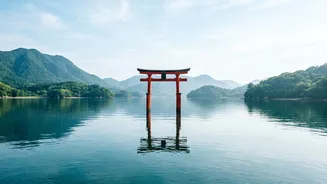
The image is unforgettable: thousands of vibrant vermilion torii gates winding up a mountainside. Fushimi Inari is one of Kyoto's most recognisable and spiritual sites. However, its fame is its biggest challenge. The lower paths, especially the iconic
'Senbon Torii' (Thousand Torii Gates), often feel less like a sacred trail and more like a congested queue by mid-morning. Trying to capture that perfect photo without dozens of other people in the frame becomes a near-impossible task, and the peaceful, reflective atmosphere can be lost. The good news is that the shrine is open 24/7. To experience its magic, arrive before 8 a.m. or visit in the late evening after most tour groups have left. Additionally, the further you climb Mount Inari, the thinner the crowds become, rewarding you with both solitude and stunning city views.
Arashiyama Bamboo Grove, Kyoto
Photos of the Arashiyama Bamboo Grove depict a magical, otherworldly path where giant bamboo stalks filter the sunlight. While this beauty is real, the experience can be underwhelming due to the sheer volume of visitors. The main path is surprisingly short and can become claustrophobically crowded, making a peaceful stroll difficult. The sound of rustling bamboo is often drowned out by the chatter of crowds, and the path can feel more like a procession than a tranquil walk in nature. Like Fushimi Inari, the key is timing. A visit at sunrise or just before dusk offers a completely different, more serene experience. For an alternative with a similar feel but fewer people, consider the bamboo paths near Adashino Nenbutsuji Temple, also in Arashiyama, or the gardens of Hokoku-ji Temple in Kamakura.
Kiyomizu-dera Temple, Kyoto
Perched on a hillside with its famous wooden stage offering panoramic views of Kyoto, Kiyomizu-dera is a masterpiece of Japanese temple architecture. Its popularity, however, means that both the temple grounds and the historic Sannenzaka and Ninenzaka streets leading up to it are often packed shoulder-to-shoulder, especially during cherry blossom and autumn foliage seasons. The shuffling crowds can make it hard to appreciate the temple's grandeur and the charm of the surrounding district. The temple opens its gates at 6 a.m., and arriving this early is your best strategy. You can enjoy the stunning views and the quiet sanctity of the halls in the crisp morning air, long before the tour buses arrive around 9 or 10 a.m.
Shibuya Crossing, Tokyo
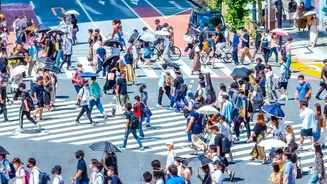
Known as the world's busiest intersection, the Shibuya Scramble is a mesmerizing spectacle of organised chaos. Watching thousands of people cross from all directions is a quintessential Tokyo experience. However, once you've seen it once or twice, you may find the experience itself is quite brief. The real disappointment can be the overwhelming crowds in the surrounding area, which make navigating the shops and restaurants a challenge. For many, it's a quick photo opportunity rather than a destination to linger. Instead of battling the masses for a spot at the famous Starbucks window, consider visiting the observation deck of the Shibuya Scramble Square building for a more comfortable, bird's-eye view. For a vibrant city atmosphere with fewer tourists, explore nearby neighbourhoods like Shimokitazawa, known for its vintage shops and relaxed vibe.
Dotonbori, Osaka
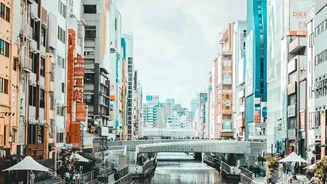
With its flashing neon signs, giant mechanical crabs, and endless street food stalls, Dotonbori is Osaka's vibrant heart. It's an assault on the senses in the best way possible. During peak hours, however, the narrow streets and bridges become incredibly congested, making it difficult to walk, let alone stop and enjoy the food you just bought. It can feel more like Times Square than the foodie paradise it's advertised as. To get a better taste of Osaka's culinary scene without the intense crowds, consider visiting during the day on a weekday or exploring the nearby Shinsekai district or Kuromon Market for a slightly more local and less overwhelming experience.