




The familiar mix of excitement and dread before a flight is more than just an emotion. New research reveals airport anxiety carries tangible costs, from lost money to abandoned holidays, reshaping how we view the stress of travel.
The High Price of Pre-Flight Jitters
For many, the airport
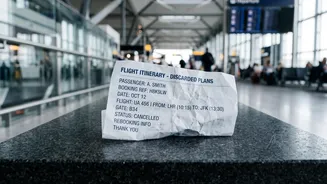
experience is a gauntlet of stress. Long queues, confusing layouts, and the constant fear of missing a flight contribute to a pervasive sense of anxiety. This isn't just an unpleasant feeling; it has a direct economic impact. According to the 2026 Passenger IT Insights report from SITA, the air transport technology specialist, a staggering 42% of travellers have decided against booking a trip simply because they expected it to be too stressful. This finding, based on a survey of nearly 8,000 travellers across 24 countries, reveals that the biggest cost of airport anxiety is the lost travel itself—holidays not taken and business trips cancelled before they are even booked.
The Most Valuable Travellers Are Most Affected
The impact of this stress-induced hesitation is not evenly distributed. The SITA research highlights that the most valuable customer segments are often the most deterred. Six in ten frequent flyers and more than half of travellers under the age of 30 have admitted to abandoning a potential trip due to anticipated stress. These are the very demographics—loyal customers and the next generation of flyers—that the travel industry depends on. Their reluctance to travel signifies a significant loss of potential revenue, from airline seats and hotel rooms to the entire ecosystem of tourism.
The 'Dwell Time' Dilemma
Beyond lost bookings, airport anxiety also affects spending within the terminal. The crucial period between clearing security and boarding a flight—often called 'dwell time'—is a prime opportunity for airports to generate commercial revenue from retail and dining. However, SITA's report found that passenger anxiety during this window has tripled since 2023. A third of travellers now report feeling anxious during this phase. Anxious passengers are less likely to browse shops or enjoy a leisurely meal. Instead, they remain preoccupied with their gate number and flight status. Research suggests 37% of travellers would spend more in airport shops and restaurants if the journey were less stressful, directly linking a calmer experience to increased commercial sales.
Uncertainty as the Main Source of Stress
The core of this anxiety, as identified by SITA, is uncertainty. Travellers' biggest frustrations are operational: worrying about flight delays, navigating long queues, and the ever-present concern about whether their checked bags will arrive at their destination. SITA's CEO, David Lavorel, notes that most of the stress 'comes down to not knowing what happens next'. This lack of information creates a feeling of powerlessness, which turns the airport journey into a stressful ordeal rather than a smooth process. The stress doesn't just begin at the airport; it often starts from the moment of booking, with complex fare structures and add-on fees for everything from seat selection to baggage.
Can Technology Pave the Way for Calmer Travel?
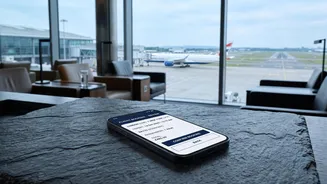
While anxiety is high, so is the belief in a solution. A resounding eight in ten passengers surveyed believe technology can significantly reduce the stress of air travel. This confidence is even higher among frequent flyers (89%) and younger travellers (86%). The solutions lie in providing clarity and control. Real-time mobile notifications about flight changes, accurate queue-time information, and visibility into baggage tracking are not just conveniences; they are powerful tools for alleviating anxiety. The report points to the United Arab Emirates as a successful example, where high adoption of technology at border control has led to significantly lower reported negative emotions compared to the global average.