



The Price Was Right
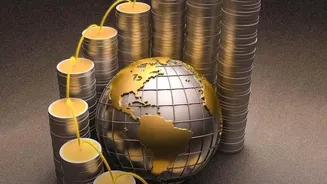
A key driver behind the shopping spree was a favourable correction in gold prices. After hitting record highs of around ₹1.8 lakh per 10 grams earlier in the year, prices softened to approximately ₹1.42 lakh during the Dhanteras-Diwali period. This dip,
a significant drop from the peak, was perceived by many consumers as the perfect window of opportunity to buy. Shoppers who had been waiting on the sidelines, discouraged by the previously steep prices, re-entered the market with enthusiasm, leading to a surge in pent-up demand being released.
Confidence and a Calendar Advantage
This year's festival timing provided an additional boost. Dhanteras and Diwali fell in early November, coinciding with the time salaried employees typically receive their monthly pay and annual bonuses. This created a healthy cash flow in the market, encouraging more confident consumer spending. The feeling of an economic recovery, coupled with a belief that gold prices might rise again, further fuelled the rush to buy the precious metal as both an adornment and a secure investment.
The Great Indian Wedding Season
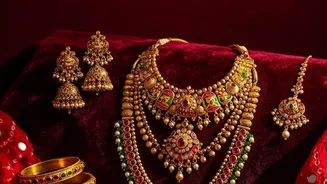
The festive buying frenzy is intrinsically linked to the upcoming wedding season, which traditionally kicks off in mid-November. Weddings in India account for a colossal portion of the country's annual gold consumption, with bridal jewellery being a non-negotiable component of the trousseau. Many families use the auspicious festive period to make their big-ticket gold purchases for weddings scheduled in the following months. Jewellers reported that this pre-wedding shopping was a significant contributor to the 30% volume increase.
Shifting Tastes and Lighter Choices
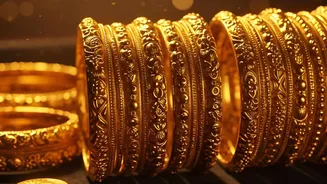
While overall volumes were up, jewellers also noted a change in consumer behaviour. There's a growing preference for lightweight and wearable jewellery over traditionally heavy, locker-bound items. This trend allows consumers to stay within their budgets even when prices are relatively high compared to previous years. By opting for smaller, more practical designs, buyers can still participate in the tradition of purchasing gold without feeling the full pinch of the price, a strategy that helps sustain demand across a wider economic spectrum.
Rural Demand and Market Sentiment
While some reports earlier in the year pointed towards a potentially weak monsoon impacting rural purchasing power, the festive sales figures suggest a resilient market. Rural India, which accounts for over half of the country's gold demand, views gold as a primary store of wealth. The strong sales volume this season indicates that, despite earlier concerns, a combination of factors including crop prices and overall economic sentiment was strong enough to support robust demand from agricultural households.