



Your Clothing: The Quick-Dry Rule
The single most important rule for monsoon trekking is to avoid cotton. Once wet, cotton clothes stay wet, heavy, and cold against your skin, which can lead to chafing and discomfort. Instead, build your wardrobe around synthetic fabrics like polyester
or nylon. These materials are 'quick-dry,' meaning they don't absorb much water and dry out fast. Pack two or three synthetic, moisture-wicking t-shirts and at least two pairs of quick-dry trekking pants. Full-length pants are better than shorts, as they offer protection from scratches and leeches. For colder evenings, especially in the mountains, a lightweight fleece jacket is essential for warmth. Always keep one complete set of dry clothes sealed in a waterproof bag, reserved exclusively for wearing at camp.
Outerwear: Your Shield Against the Rain
Your choice of rain protection can make or break your trek. You have two main options: a poncho or a two-piece (jacket and pants) rain suit. A large poncho can be great because it covers both you and your backpack. However, in windy conditions, it can flap around and be cumbersome. A dedicated waterproof jacket and pants offer a snugger fit. Look for gear that is 'waterproof-breathable'. This technology stops rain from getting in but allows your sweat to escape, keeping you from feeling clammy. A good rain jacket is a non-negotiable item for any monsoon trek.
Footwear: Grip, Gaiters, and Dry Feet
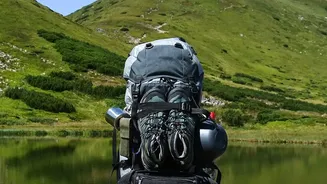
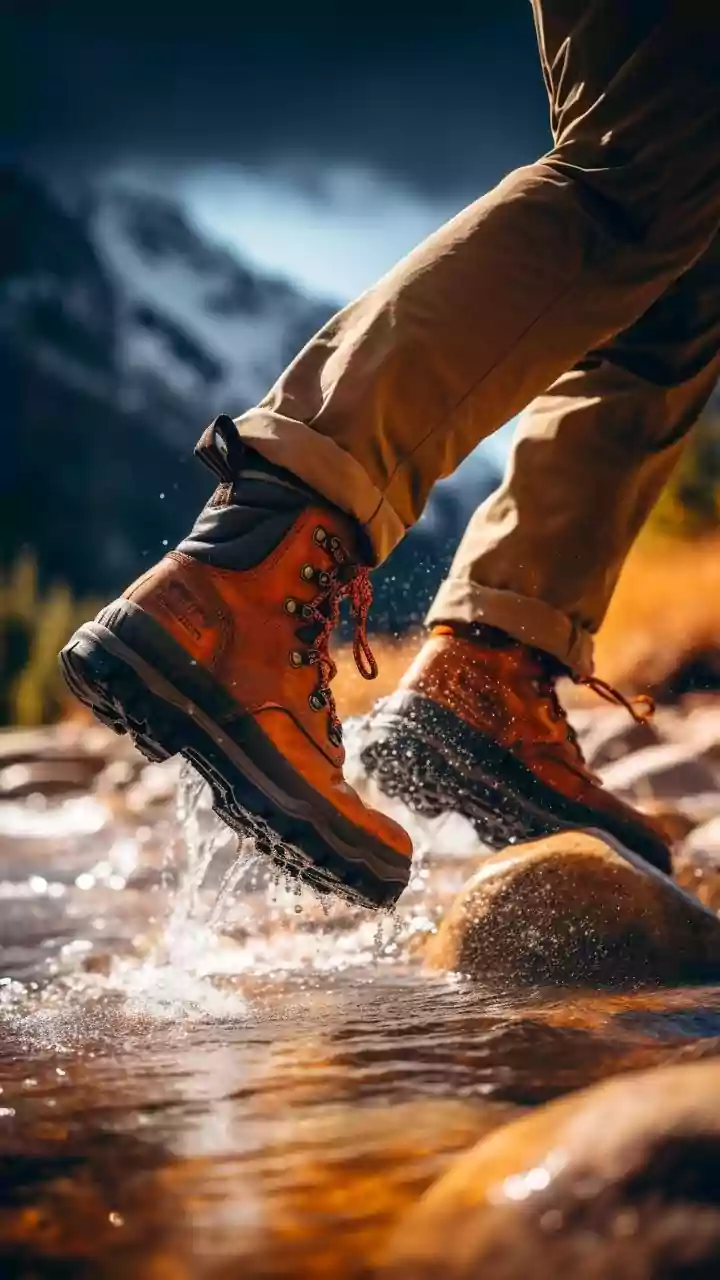
Your feet are your foundation on the trail, and keeping them happy is crucial. Invest in a pair of waterproof trekking shoes with high ankle support and, most importantly, an aggressive grip. The trails will be incredibly slippery, covered in mud, wet rocks, and moss. Good traction is essential for preventing falls. To prevent water, mud, and leeches from entering your boots, use trekking gaiters. These are fabric shields that cover the gap between your pants and your shoes. Also, pack at least three to four pairs of socks. Avoid cotton and choose synthetic or wool-blend socks that wick moisture away from your skin, which helps prevent blisters.
Backpack Protection: The Double-Layer Method
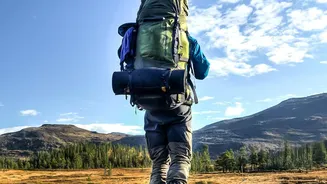
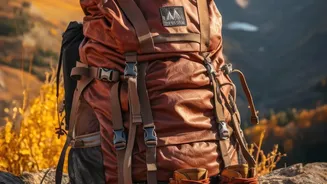
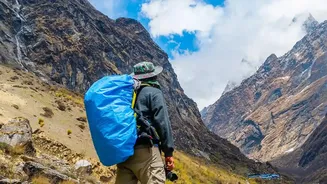
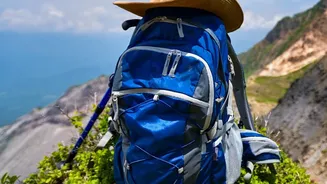
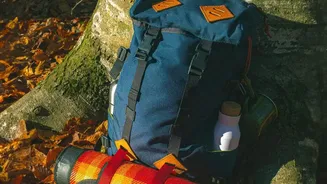
Even backpacks labelled 'water-resistant' will eventually let water seep through zippers and seams during a persistent downpour. You need a two-layer defense system. First, use a waterproof rain cover that fits snugly over the outside of your pack. This is your first line of defense. Second, line the inside of your backpack with a large, durable plastic bag or a dedicated pack liner. For your most sensitive items—electronics, wallet, first-aid kit, and your dry set of clothes—use smaller waterproof dry bags or zip-lock pouches for an extra layer of security. This ensures your essentials stay bone-dry no matter what.
Dealing with Leeches
Leeches are a common, and often feared, part of monsoon trekking in many parts of India. While their bites are generally harmless and don't transmit diseases, they can cause panic and discomfort. Prevention is the best strategy. Wearing full-length trousers tucked into your socks creates a physical barrier. You can also wear special leech socks, which are long, tightly-woven socks that go over your regular ones. Applying a deterrent like a salt solution, Dettol, or an insect repellent containing DEET to your shoes and socks can also help. If a leech does attach itself, don't pull it off. Instead, sprinkle a little salt on it, and it will detach on its own. Clean the bite area with an antiseptic afterward.
Essential Gear and Safety
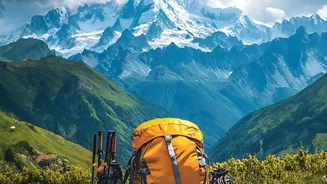
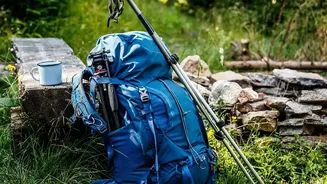
Beyond clothing, a few key pieces of gear are vital. Trekking poles are highly recommended to provide extra stability and balance on slippery, uneven terrain. A headlamp with extra batteries is crucial, as monsoon skies can get dark quickly and visibility can be poor in mist and fog. Carry a well-stocked first-aid kit with basics like antiseptic wipes, bandages, pain relievers, and any personal medications. A power bank is essential for keeping your phone charged for navigation and emergencies. Finally, pack high-energy snacks like nuts, energy bars, and dried fruits to fuel your body throughout the day.