



Understanding the Himalayan Winter Challenge
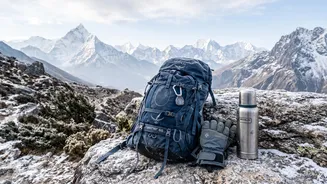
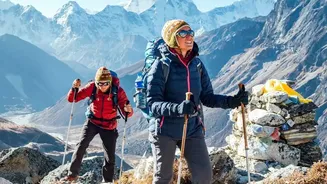
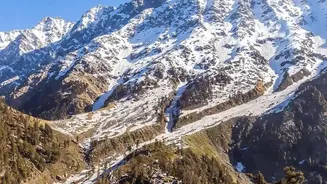
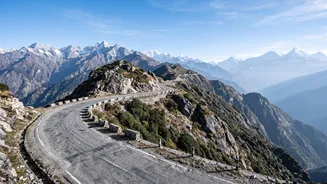
Winter transforms the Himalayas into a serene but unforgiving environment. Temperatures can plunge dramatically, high altitudes mean less oxygen with every breath, and popular routes become isolated. Access to medical facilities can be limited or non-existent,
making your personal medical kit and preparation your first line of defense. The primary risks include Acute Mountain Sickness (AMS), frostbite, hypothermia, and common travel ailments like diarrhea, which can be more serious in a remote, cold setting. Understanding these risks is the first step toward a safe and enjoyable journey.
Your Essential High-Altitude Medical Kit
A well-stocked medical kit is non-negotiable. While a pre-packaged first-aid kit is a good start, it's not enough for the specific challenges of the Himalayas. You must consult your doctor before your trip to get personalized advice and prescriptions. Your kit should include: general pain relievers like Ibuprofen and Paracetamol for headaches and pain; antiseptic solution and assorted bandages for wounds; and blister treatment like moleskin, a common trekking issue. Also pack antidiarrheal medication (Loperamide), antihistamines for allergies, and oral rehydration salts (ORS) to combat dehydration.
The Altitude Sickness Protocol
Acute Mountain Sickness (AMS) is a primary concern for anyone traveling above 2,500 meters (8,200 feet). Symptoms include headache, nausea, dizziness, and fatigue. The golden rule is to acclimatize properly: ascend slowly, stay hydrated, and avoid overexertion. Many trekkers, in consultation with their physician, carry Acetazolamide (Diamox), a prescription medication that helps the body acclimatize faster. It is often taken preventatively 24-48 hours before a significant ascent. For severe cases like High-Altitude Cerebral Edema (HACE) or High-Altitude Pulmonary Edema (HAPE), which are life-threatening, immediate descent is the only cure, and emergency medications like Dexamethasone may be used.
Beyond Medicine: Protection and Prevention
Your health preparedness extends beyond pills. The sun at high altitudes is incredibly intense, even when it's cold, making a high-SPF sunscreen (SPF 50+) and UV-protective sunglasses essential to prevent severe sunburn. The dry, cold air will chap your skin and lips, so a good quality lip balm and moisturizer are crucial. Staying hydrated is one of the most effective ways to help your body acclimatize and stay healthy, so drink plenty of water throughout the day. Local remedies, such as garlic soup, are also believed to help with circulation and acclimatization.
Emergency Contacts and Communication Plan
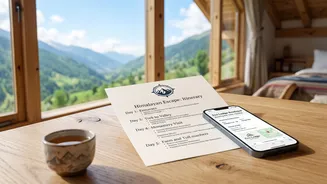
In an emergency, knowing who to call and how to reach them is vital. Before you leave, save the contact details for local police, your embassy, your tour operator, and local mountain rescue services. Inform a friend or family member of your detailed itinerary and planned return date. Be aware that mobile connectivity will be spotty or non-existent in many areas. Consider carrying a satellite phone or a personal locator beacon for emergencies. Ensure you have comprehensive travel insurance that explicitly covers high-altitude trekking and helicopter evacuation, as these costs can be exorbitant without it.