







The Scale of a Growing Crisis
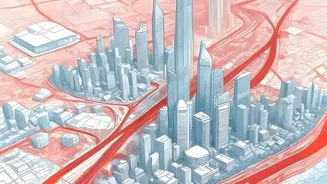
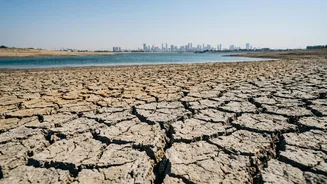
The summer of 2026 saw major cities like Delhi, Chennai, and Bengaluru grappling with severe water shortages, a pattern that has become an annual ordeal. This isn't just about a bad monsoon; it's a crisis of governance and infrastructure. With India holding
just 4% of the world's freshwater for 18% of its population, the strain is immense. Urban centres are expanding faster than their water systems can cope, leading to over-extraction of groundwater, which supplies a huge portion of city water. A 2018 NITI Aayog report warned that 21 major cities were on track to exhaust their groundwater reserves. The result is what we see today: an over-reliance on water tankers, long queues, and unequal access, where the most vulnerable often suffer the most.
Fix the Leaks: A War on 'Non-Revenue Water'
Before seeking new water sources, the first step is to save what we already have. Across Indian cities, an estimated 20% to 50% of the piped water supply is lost before it ever reaches a consumer. This is known as Non-Revenue Water (NRW)—water that is lost to leakages, theft, or inaccurate metering. Fixing these ageing, decaying pipelines is one of the most cost-effective ways to increase supply. It's like finding a new water source without building a single new dam. Cities can implement ward-level water audits to detect and repair leaks systematically. This not only conserves a precious resource but also improves the reliability of the entire supply network, reducing the dependence on emergency tankers.
From Waste to Resource: The Power of Recycling
Every day, Indian cities generate over 72 billion litres of sewage, but only a fraction of it—around 28%—is treated. The rest pollutes rivers and groundwater. This wastewater is not a liability but a potential asset. By investing in modern Sewage Treatment Plants (STPs), cities can treat this water and reuse it for non-potable purposes like industrial processes, flushing, gardening, and construction. Cities like Chennai and Nagpur are already showing the way. Chennai launched two large-scale recycling plants, becoming the first in India to reuse treated wastewater to meet industrial demand at such a scale. Nagpur is on track to treat and reuse over 90% of its sewage, much of which is sold to power plants, creating a revenue stream from waste.
Catch Every Drop: Championing Rainwater Harvesting
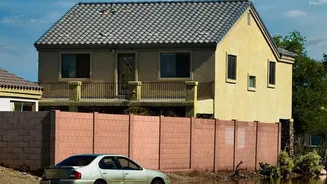
India receives an enormous amount of rainfall annually, yet captures very little of it. Rainwater harvesting (RWH) offers a decentralised solution to capture this water where it falls. Many states have made RWH mandatory for new buildings, recognising its potential to recharge critically low groundwater levels. In Delhi, for example, new buildings on plots larger than 100 square metres must have RWH systems. These systems direct rainwater from rooftops into storage tanks or recharge pits, replenishing local aquifers. In cities like Bengaluru, housing societies that have implemented effective RWH systems have drastically cut their reliance on water tankers, saving money and securing their water supply. The national 'Catch the Rain' campaign further aims to accelerate these efforts across all districts.
Smart Demand Management and Reviving Water Bodies
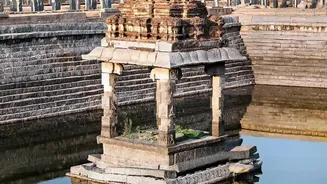
For too long, the focus has been solely on increasing supply. A crucial shift is needed towards managing demand. This involves conducting water audits for large consumers like commercial complexes and government buildings to identify and fix internal wastage. Promoting water-efficient fixtures and creating public awareness campaigns can further drive down consumption. At the same time, cities must work to rejuvenate their natural water bodies—the lakes, ponds, and wetlands that act as natural sponges. Many of these have been encroached upon or have deteriorated due to pollution. Restoring them not only helps in recharging groundwater but also builds climate resilience and brings back green spaces to urban landscapes. The Amrit Sarovar Mission, which aims to rejuvenate 75 water bodies in each district, is a step in this direction.