

The Quiet Demise of the Guest-Only Room
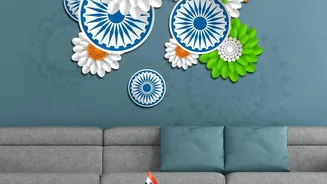
For generations, many Indian homes had a room that was perpetually ready for guests but rarely used by the family. This was the drawing room, a formal space with plastic-covered sofas and pristine decor, reserved for special occasions and important visitors.
It was a symbol of status and hospitality. However, with changing urban lifestyles and the shrinking size of city apartments, the luxury of dedicating a whole room to infrequent use is fading. Homeowners now want spaces that feel calm, functional, and deeply personal—every single day, not just when guests are over. This has led to a fundamental shift from a showpiece room to a lived-in space that reflects the family's daily needs and personality.
Why Our Living Rooms Are Working Overtime
Several factors are driving this transformation. The rise of hybrid work culture is a primary catalyst, forcing many to carve out a workspace from their existing homes. A corner of the living room has now become a permanent office, demanding a presentable backdrop for video calls and a setup that supports long working hours. Furthermore, modern Indian families are adopting more dynamic lifestyles within smaller urban homes. The living room must now seamlessly transition from a children's play area in the afternoon to an entertainment hub for movie nights and a relaxed zone for family gatherings, sometimes all in the same evening. The focus has moved from sheer square footage to intelligent space planning that makes every inch count.
The New Anatomy of a Multifunctional Space
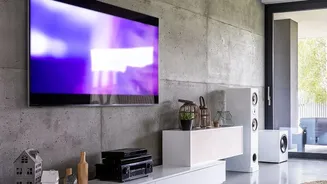
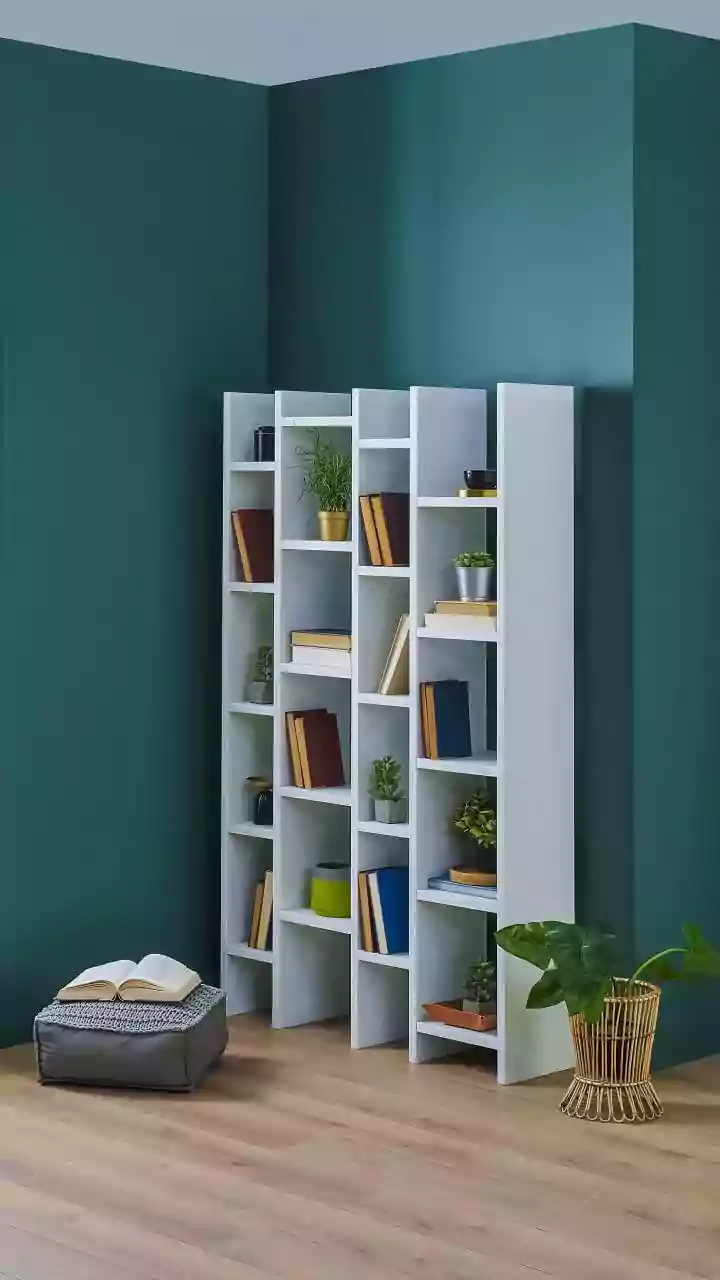
So, what does this new, hardworking living room look like? It's all about flexibility and smart design. Multifunctional furniture is the hero, with pieces like sofa-cum-beds, expandable dining tables, and ottomans with hidden storage becoming staples. Modular furniture that can be reconfigured to suit different needs is also gaining popularity. Smart storage is another key element. Vertical space is being utilized with wall-mounted shelves and tall cabinets to keep the floor clear and reduce clutter. Homeowners are learning that the secret to a minimalist look isn't owning less, but storing smarter. Design techniques like using rugs or statement lighting are employed to create distinct 'zones' for different activities—like work, relaxation, and dining—within a single open-plan room, maintaining an open feel while ensuring functionality.
Embracing a 'Warm Minimalism'
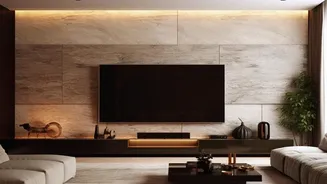
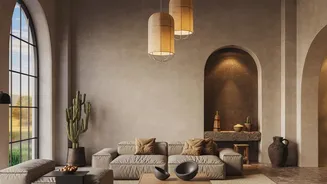
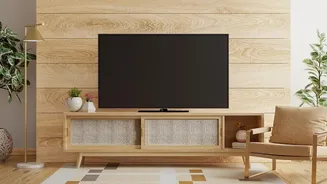
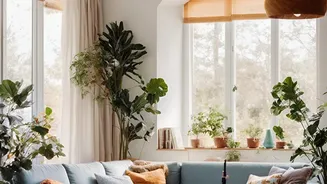
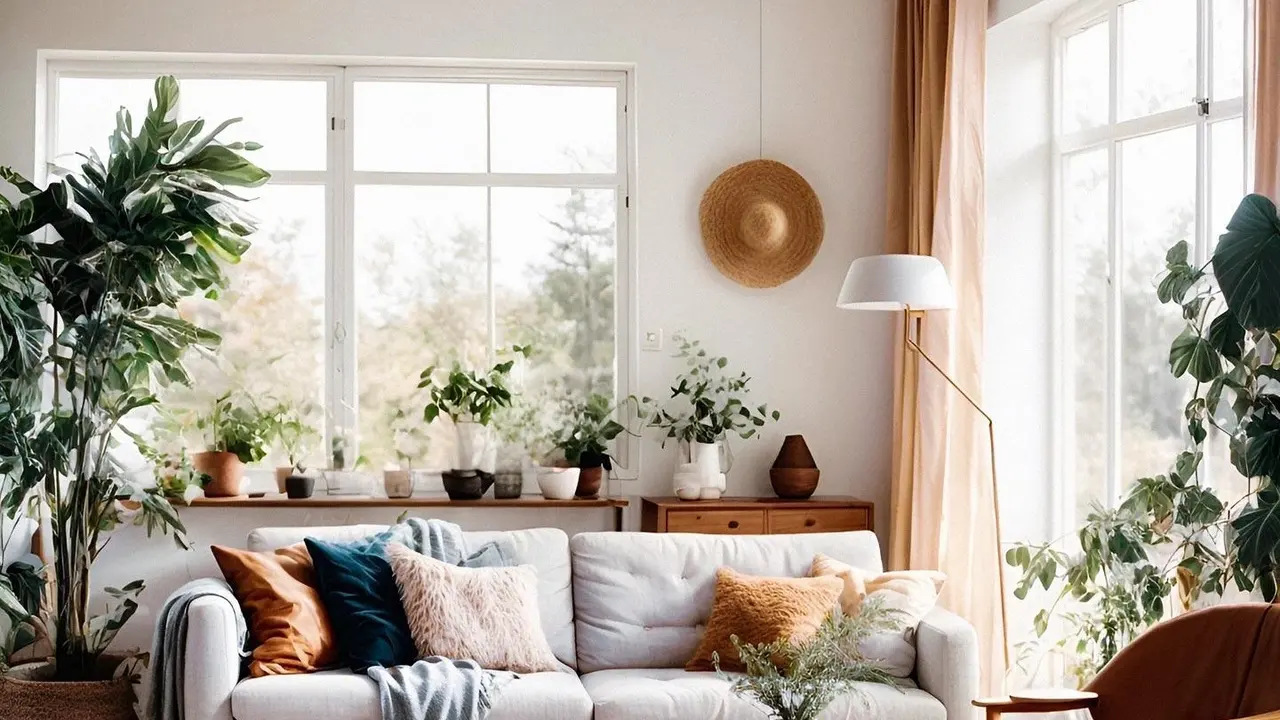
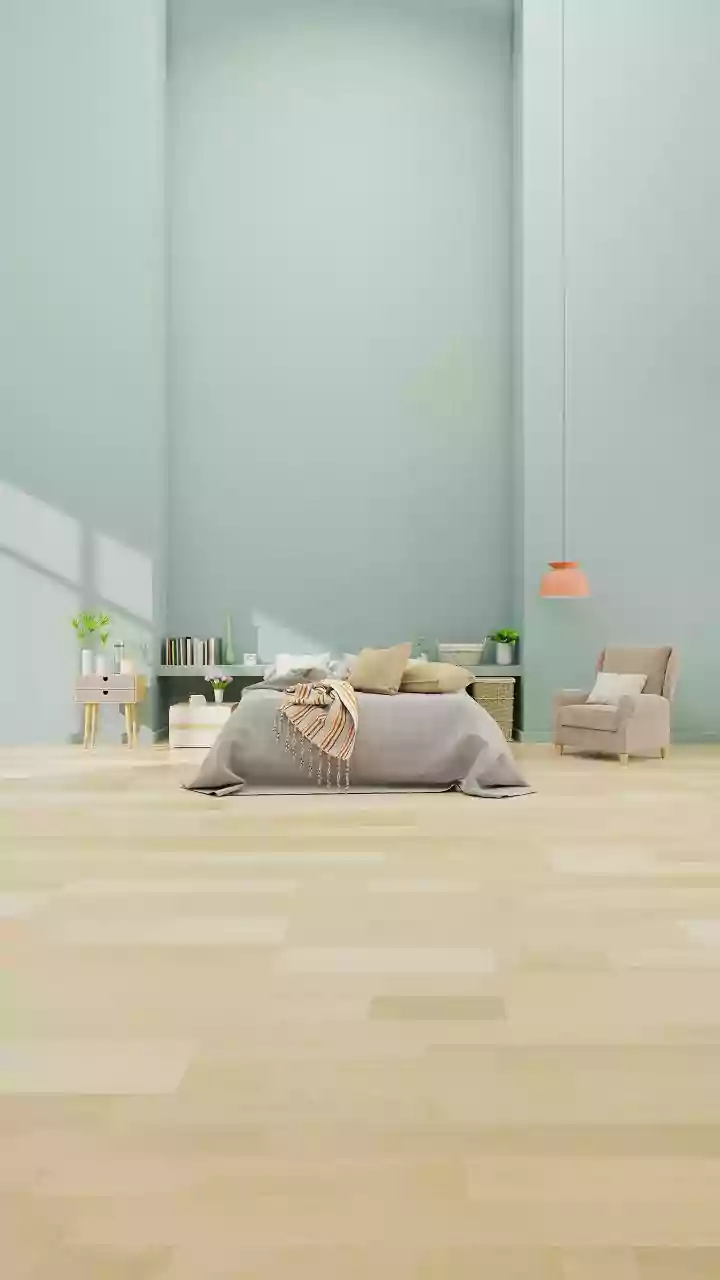
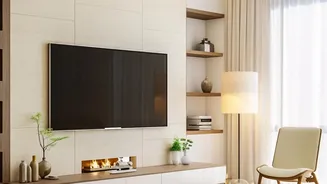
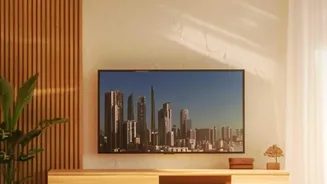
The aesthetic of these new living spaces is also evolving. The cold, stark minimalism of the past is being replaced by 'warm minimalism'. This trend favours soft neutral palettes like beige, cream, and soft greys, which make spaces feel brighter and more spacious. These are paired with warm accents through natural materials like wood, cane, and rattan, which add depth and a subtle Indian touch. Textiles play a huge role in adding colour and personality, with hand-embroidered cushions and traditional block prints adding layers of cultural richness. The goal is to create a space that feels uncluttered and modern, yet also warm, inviting, and deeply connected to Indian heritage.