
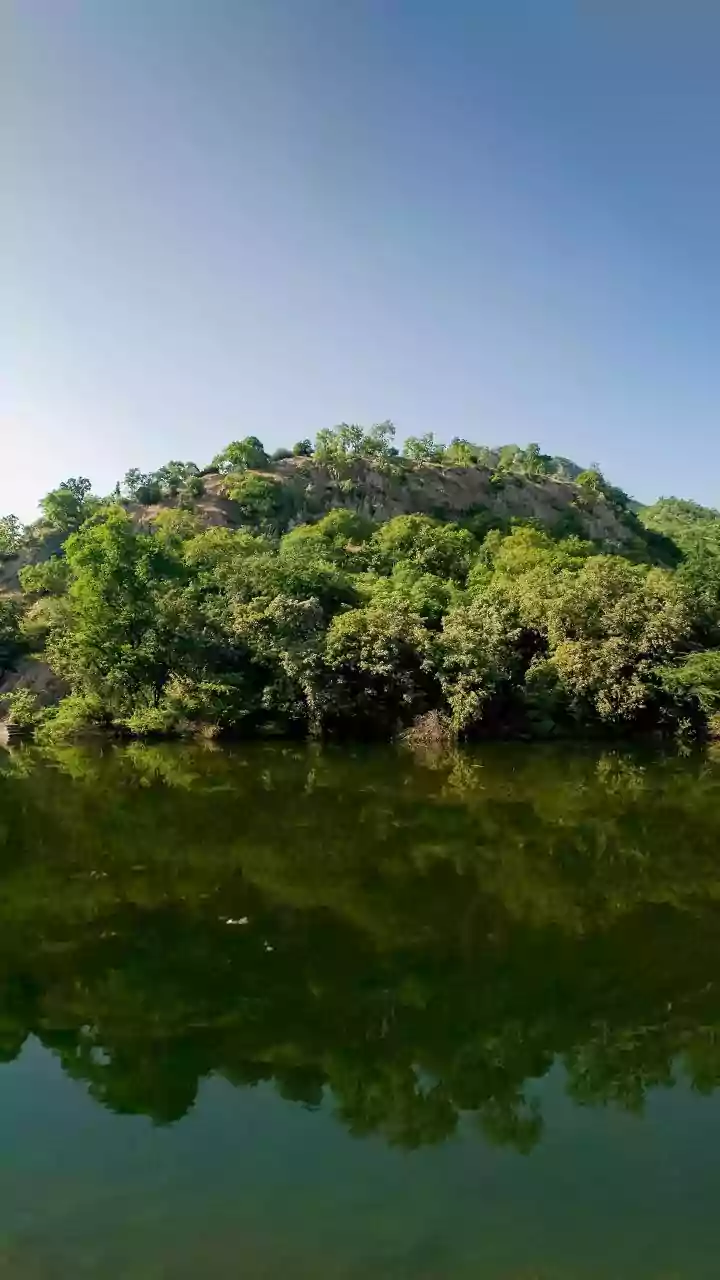






A Discovery in Chhattisgarh's Raja Rani Lake
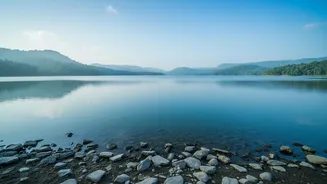
Scientists from the Birbal Sahni Institute of Palaeosciences (BSIP) in Lucknow have unearthed evidence of a surprisingly strong Indian Summer Monsoon during the medieval period. By studying ancient pollen from the sediments of Raja Rani Lake in Korba
district, they found that central India experienced a prolonged phase of intense rainfall and humidity roughly between 1060 and 1725 CE. This period corresponds with a globally recognised warm phase known as the Medieval Climate Anomaly. The study is especially significant because the lake is located in India's Core Monsoon Zone (CMZ), the region that receives the vast majority of the country's annual rainfall, making it a sensitive indicator of past climate shifts.
How Lake Sediments Become Climate Archives
Lakes are nature’s history books. Year after year, material from the surrounding environment—dust, soil, ash, and organic matter—washes into the water and settles at the bottom. This process creates distinct layers of sediment, with the oldest at the bottom and the newest at the top. Scientists can drill down and extract a long cylinder of this mud, called a sediment core. In the Chhattisgarh study, researchers extracted a 40-centimetre core that held an environmental record spanning approximately 2,500 years. Each layer of this core is a snapshot of a specific time, preserving the physical and biological evidence of the climate conditions that existed when it was formed.
Pollen: The Microscopic Messenger
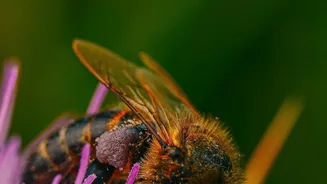
The key to unlocking the climate story within these sediments lies in palynology—the study of pollen grains and spores. Plants release enormous quantities of pollen, which gets carried by wind and water and eventually settles in the lake bed, becoming trapped in the sediment layers. Different plants produce uniquely shaped pollen, allowing scientists to identify the types of vegetation that grew in an area at a particular time. For example, the pollen of trees that thrive in wet, humid conditions (like those in a dense tropical forest) is distinct from the pollen of grasses and herbs that dominate drier, savannah-like environments. By analysing the types and quantities of pollen in each sediment layer, researchers can reconstruct what the landscape looked like.
Connecting Pollen to Monsoon Strength
The link between pollen and the monsoon is direct: the amount of rainfall determines the type of vegetation that can grow. A strong, sustained monsoon supports lush, dense forests, while a weaker monsoon leads to more open, grassy landscapes. In the Raja Rani Lake study, scientists found a clear dominance of pollen from moist and dry tropical deciduous forest species during the medieval period. This pointed to a consistently warm, humid climate driven by a powerful monsoon. The near-absence of pollen from drought-tolerant plants suggested there were no major dry spells in the Core Monsoon Zone during this era, reinforcing the conclusion that the monsoon was both strong and reliable.
Why Ancient Climate History Matters Today
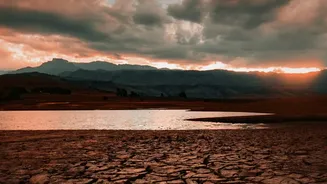
Understanding the monsoon's past behaviour is not just an academic exercise. Reconstructing ancient climate helps scientists build more accurate models to predict future changes. The Chhattisgarh study revealed that the strong medieval monsoon was linked to several factors, including La Niña-like conditions in the Pacific Ocean and increased solar activity. By identifying these natural drivers of monsoon variability, researchers can better distinguish them from human-induced climate change. This knowledge is crucial for India, as even small shifts in monsoon patterns can have enormous consequences for agriculture, water security, and the economy. These palaeoclimate records provide a vital long-term perspective that helps us prepare for the future.