


1. The Classic Corner Tuck
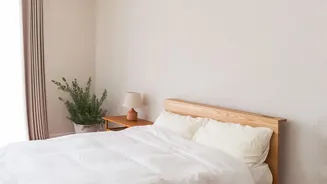
The most intuitive solution for a small room is often the most effective. Pushing your bed into a corner, flush against two walls, instantly frees up a significant amount of central floor space. This creates a larger open area, making the room feel more
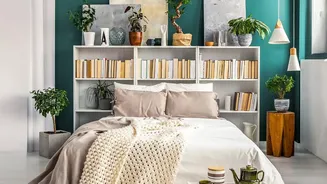
expansive and easier to navigate. This layout is particularly effective in square-shaped rooms or guest rooms where access to both sides of the bed isn't a daily necessity. To complete this setup, place a single, functional nightstand on the accessible side of the bed. You can enhance the cosy corner feel by adding floating shelves on the walls above the bed for books and decor, drawing the eye upward and utilizing vertical space.
2. The Symmetrical Anchor
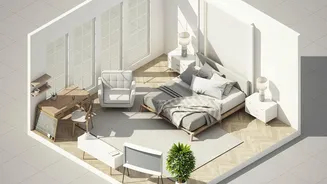
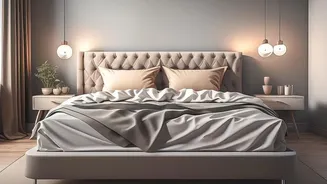
For a more formal and balanced aesthetic, try centering the bed against the longest uninterrupted wall. This classic arrangement creates a natural focal point and a sense of order. Frame the bed with two matching, slim nightstands to maintain symmetry. To save surface area, consider mounting sconces on the wall above each nightstand instead of using bulky table lamps. This layout works best when you have enough space to leave a clear pathway of at least two to three feet on either side of the bed. Placing a dresser or a slim console table on the wall opposite the bed helps complete the balanced look and provides essential storage without overwhelming the space.
3. The Minimalist Float
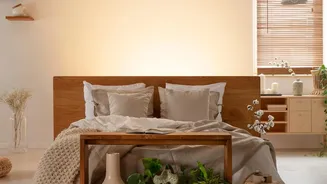
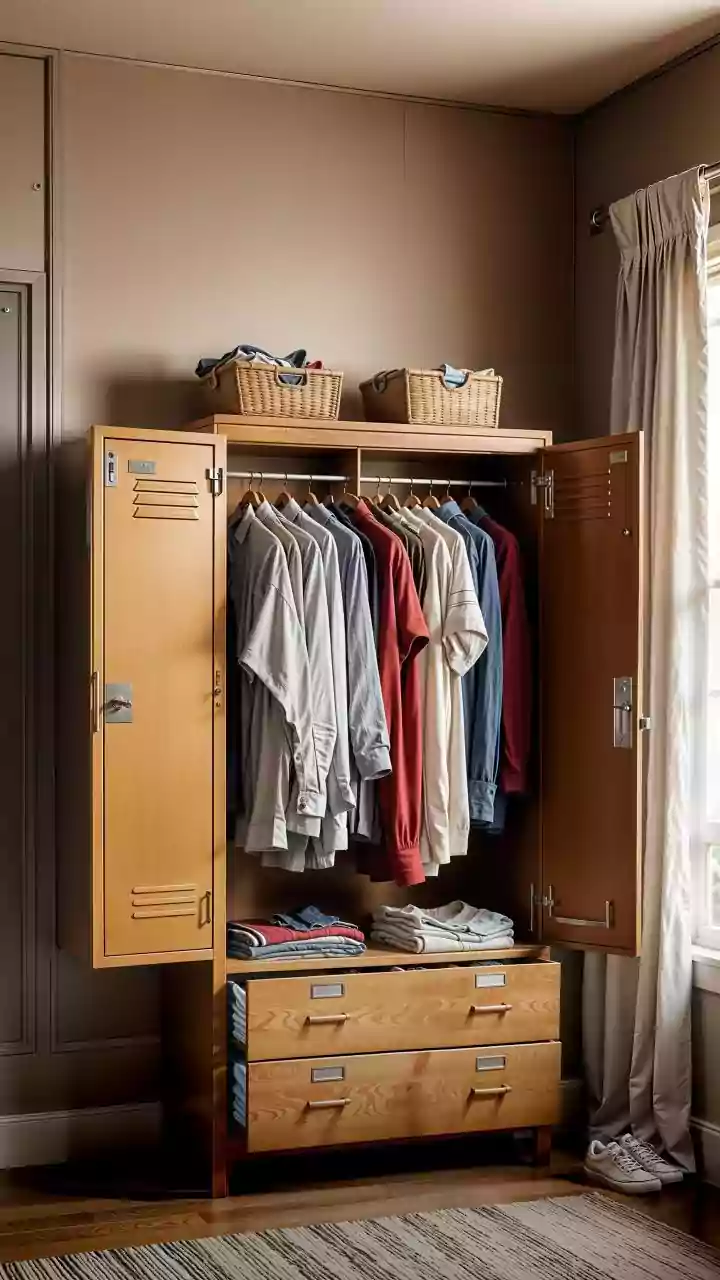
To create a truly airy and open feel, think vertical. The 'floating' layout minimizes furniture that touches the floor. Opt for a low-profile platform bed, perhaps one with recessed legs that make it seem like it’s hovering. Instead of traditional nightstands and desks, use wall-mounted floating shelves and a floating desk. This strategy keeps the floor clear, which is a powerful trick for making any room feel larger. It also makes cleaning easier. Complement this layout with tall, narrow bookcases or wardrobes that draw the eye upward, emphasizing the room's height rather than its limited floor space. Using furniture with visible legs also contributes to this sense of lightness and openness.
4. The Multi-Functional Zone
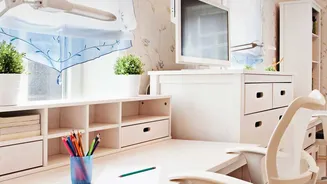
In today's homes, a bedroom often needs to be more than just a place to sleep. If you need to incorporate a workspace or a reading nook, zoning is key. Use furniture to cleverly divide the room. For example, a daybed or a bed with a simple frame can double as seating during the day. You can use a low bookshelf as a partial divider between your sleeping area and a small desk placed against the opposite wall. Another popular strategy is to replace a traditional nightstand with a small desk, allowing one piece of furniture to serve two purposes. This approach works especially well with multifunctional pieces like beds that have built-in storage drawers, which can eliminate the need for a separate bulky dresser.
5. The Light-Maximising Layout
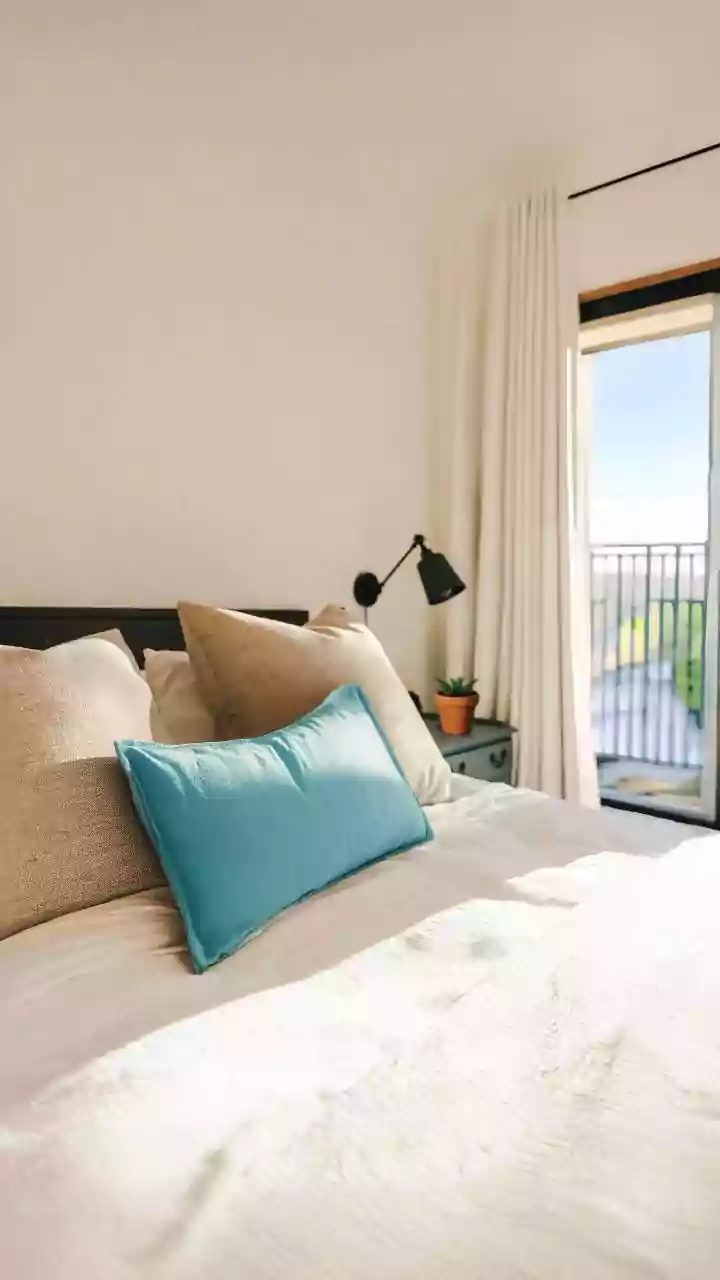
Never underestimate the power of natural light. Placing your bed under or near a window can make the window the room's focal point, creating a bright and inviting atmosphere. While some prefer not to sleep directly under a window, placing the bed on the same wall, just to the side, can still capture the benefits. To amplify the effect, hang a large mirror on the wall opposite the window. This timeless trick bounces light around the room and creates an illusion of depth, making the space feel significantly larger and brighter. Keep window treatments simple and hang curtains high and wide—extending beyond the window frame—to make the walls seem taller and the window grander.