







Why Local Food Is an Essential Experience
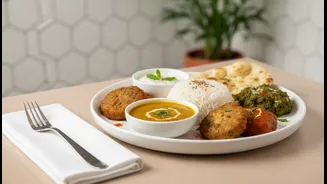
From the sizzle of a street-side tawa to the comforting aroma of a dhaba’s dal, local food is the soul of India. It’s where you find authentic flavours, time-tested recipes, and a direct connection to the culture. These meals are often more affordable
and fresher than what you might find in a tourist-centric restaurant. They tell a story about a region's history, agriculture, and community. Skipping local eateries, whether it’s a bustling stall or a family-run restaurant, means missing out on a huge part of what makes travel in India so rich and memorable. The key isn't to avoid this experience out of fear, but to approach it with knowledge.
Your Pre-Meal Hygiene Checklist
Before you order, take a moment to observe. The most important rule is to eat where the locals eat. A busy stall with a long queue is one of the best signs of quality and safety, as high turnover means the food is constantly being made fresh. Look at the vendor’s workspace. Are the surfaces relatively clean? Are ingredients covered and protected from flies? Also, observe how they handle money and food; do they use separate hands or tools? Favour food that is cooked to order right in front of you. Piping hot dishes, especially those that are deep-fried, steamed, or boiled, are generally safest because the high heat kills most harmful bacteria. Be cautious with anything served at room temperature or lukewarm.
Navigating Water, Chutneys, and Salads
Contaminated water is one of the biggest sources of foodborne illness. For this reason, it's wise to be cautious with items that may involve untreated water. This includes ice in drinks, unless you're in a high-end establishment that confirms it uses filtered water. Similarly, raw chutneys and salads can pose a risk if the ingredients were washed in tap water. While pani puri is iconic, the water used is a common concern. If you're unsure, you can ask vendors if they use bottled or filtered water, or simply opt for dry snacks and cooked dishes instead. Always stick to sealed bottled water for drinking.
Communicating Dietary Needs and Allergies
Communicating your dietary requirements is crucial for a safe meal. This is especially true for allergies to common ingredients like peanuts, which are prevalent in many Indian cuisines. It’s helpful to be clear and specific. Don't just say you have an allergy; explain what cannot be in your food. Learning the local names for your allergens can be very effective. For example, if you are allergic to peanuts, you can say, "I have a peanut allergy. Please make sure there is no 'moongphali' or 'shengdane' in my dish, and that it is not cooked in peanut oil." When in doubt, ask about ingredients and the cooking process, particularly regarding cross-contamination from shared utensils or cooking oil. For less formal settings, carrying a clearly written allergy card in the local language can be a great help.
Using Technology and Official Ratings
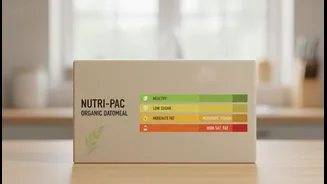
For more established restaurants and eateries, you can look for the FSSAI (Food Safety and Standards Authority of India) Hygiene Rating. This is a voluntary scheme where businesses are rated on a scale of one to five based on their hygiene and safety practices. A rating of three or more is generally considered good. While not all places participate, a displayed certificate offers an extra layer of reassurance. This system is designed to help consumers make informed choices and encourage businesses to maintain higher standards, ultimately reducing the incidence of food-borne illnesses.