


What is a Dark Sky Reserve?
A Dark Sky Reserve is a designated area where artificial light is strictly controlled to prevent light pollution. This growing global movement aims to protect the natural darkness of the night sky for astronomy, nocturnal wildlife, and human heritage.
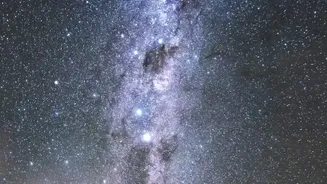
For most of human history, a brilliant canopy of stars was a nightly spectacle. Today, the pervasive glow from cities and towns has made this a rare sight. Light pollution doesn't just block our view of the cosmos; it can disrupt ecosystems, affect human health, and waste energy. The Hanle Dark Sky Reserve (HDSR) is India's first such formally protected region, a commitment to keeping its skies pristine.
Why Hanle is a Celestial Paradise
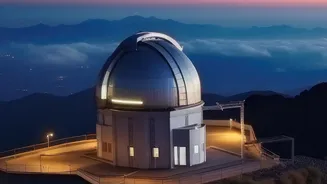
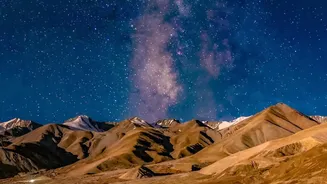
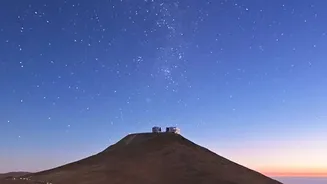
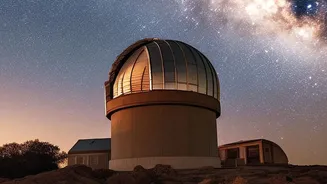
Hanle was not chosen by accident. Located in the Changthang region at an altitude of about 4,500 metres, it is a cold, dry desert with exceptionally clear, cloudless nights for most of the year. This unique combination of high altitude, low humidity, and minimal atmospheric disturbance makes it one of the best locations on the planet for observing the universe. It is already home to the Indian Astronomical Observatory (IAO), operated by the Indian Institute of Astrophysics, which houses some of the world's highest and most powerful telescopes. Protecting the darkness here is crucial for the future of astronomical research in India, allowing scientists to study distant galaxies and cosmic events without interference.
A Community Effort to Save the Night
Establishing the Hanle Dark Sky Reserve was a collaborative effort. A formal agreement was signed between the UT Ladakh administration, the Ladakh Autonomous Hill Development Council (LAHDC), Leh, and the Indian Institute of Astrophysics (IIA). The reserve covers a radius of roughly 22 kilometres around the observatory, an area that includes several local villages. The success of the project relies on the participation of the community. Homes have been provided with special equipment like thick curtains and warm-toned, downward-facing lights to minimise light spill. Strict rules are in place, prohibiting high-beam headlights on vehicles and other forms of bright outdoor lighting after dark.
Beyond Astronomy: The Rise of Astro-Tourism
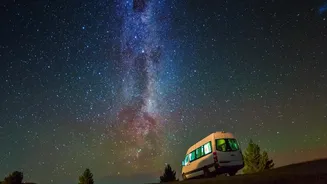
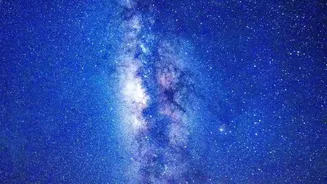
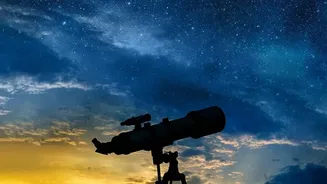
The benefits of the Dark Sky Reserve extend far beyond the scientific community. The project has catalysed a new form of sustainable enterprise in the region: astro-tourism. Tourists are increasingly travelling to Hanle not just for its monasteries and landscapes, but for the chance to see the Milky Way in all its glory. This has created new economic opportunities for the local population. Local villagers have been trained as 'Astronomy Ambassadors' and equipped with telescopes to guide visitors on nightly stargazing tours. This model provides a sustainable income that also incentivises the preservation of the natural environment, turning the dark sky into a valuable community asset.