

Craving crispy, flavourful vegetables but confused by cooking methods? Pan-frying and deep-frying both promise delicious results, but they are worlds apart. Understanding the difference is key to mastering your veggies.
The Core Difference: Oil Quantity
The most fundamental distinction
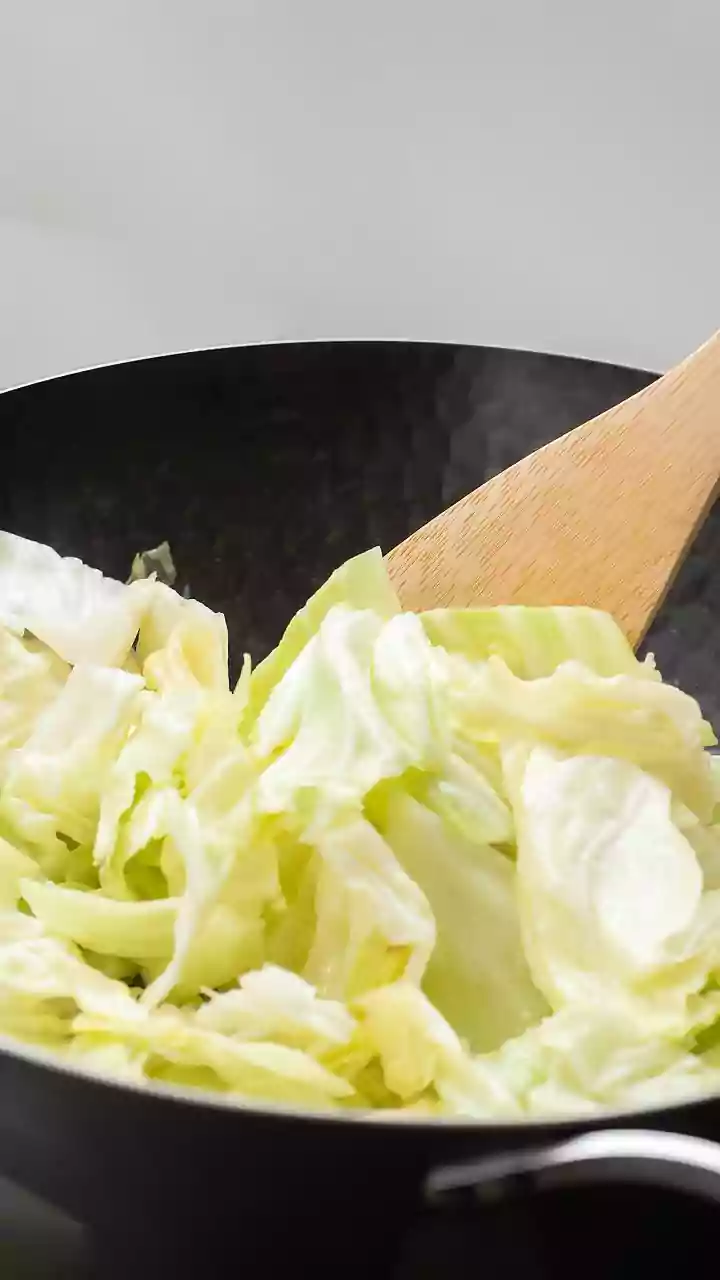
between the two methods lies in the amount of oil used. Pan-frying, which includes techniques like sautéing, uses a minimal amount of fat—often just a tablespoon or two to coat the bottom of a skillet. The goal is to cook the surface of the vegetable that is in direct contact with the hot pan. In contrast, deep-frying involves completely submerging the vegetables in a large volume of hot oil, usually in a deep pot or a dedicated deep fryer. This total immersion ensures the food cooks quickly and evenly from all sides at once.
Heat, Control, and Equipment
Pan-frying generally occurs over medium to medium-high heat. The cook has a great deal of control, able to adjust the temperature quickly and move the vegetables around for an even sear. It requires little more than a good quality skillet or wok. Deep-frying demands much higher and more stable temperatures, typically between 175°C and 190°C (350°F to 375°F). Maintaining this temperature is crucial; if it drops too low, the food will absorb excess oil and become greasy. This often requires a heavy-bottomed pot and a cooking thermometer to monitor the oil's temperature accurately.
The Impact on Texture and Flavour
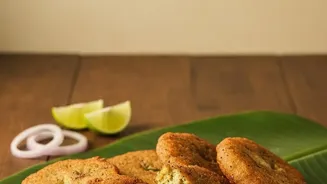
Each method produces a distinctly different result. Pan-frying creates a varied texture: the side of the vegetable touching the pan becomes browned and crisp through caramelization, while the other parts are gently steamed, resulting in a tender-crisp finish. Deep-frying, especially with a batter or coating, creates a uniform, crunchy crust all over the vegetable, while the inside becomes soft and steamy. The batter soaks up flavour but also protects the vegetable from becoming oily. This method is responsible for the classic, audible crunch associated with foods like tempura or onion rings.
Best Vegetables for Each Method
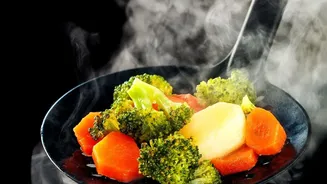
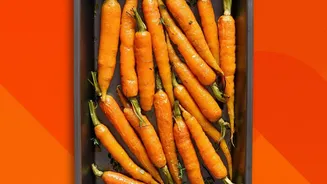
Certain vegetables are better suited to one method over the other. Pan-frying is ideal for vegetables that cook relatively quickly or have a high water content. Sliced zucchini, bell peppers, asparagus, mushrooms, and green beans are excellent choices. For harder vegetables like carrots or broccoli, a combination method of steaming and then pan-frying works well. Deep-frying shines with starchy vegetables like potatoes and sweet potatoes. It's also perfect for creating dishes like cauliflower 'wings', battered mushrooms, onion rings, and crispy tempura green beans, where a protective, crunchy coating is desired.
A Look at the Health Implications
From a health perspective, pan-frying is generally considered the lighter option as it uses significantly less oil, leading to a lower overall calorie and fat content in the final dish. Deep-fried foods absorb more oil, which increases their caloric density. However, proper deep-frying technique—using oil at the correct high temperature—can minimize oil absorption by quickly forming a crust that seals the food. The choice of oil also matters; using heart-healthy oils like avocado or sunflower oil can make a difference. Ultimately, while pan-frying tends to be healthier, moderation is key for both methods.