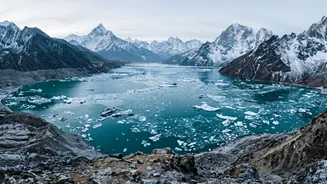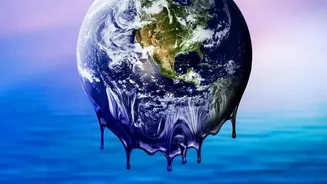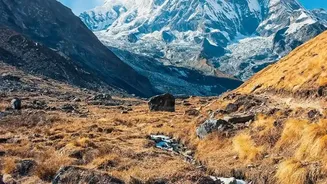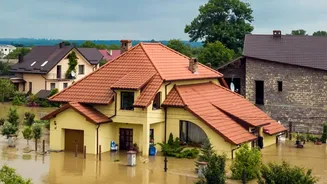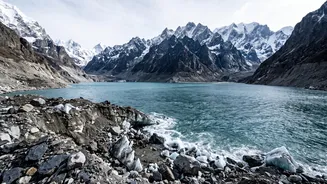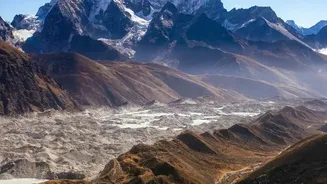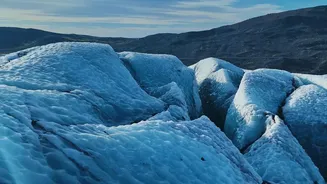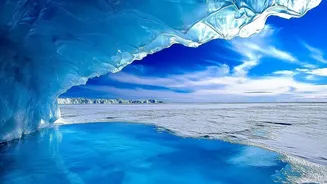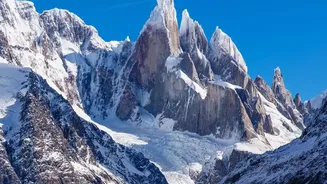





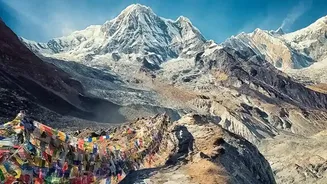
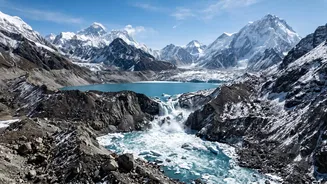
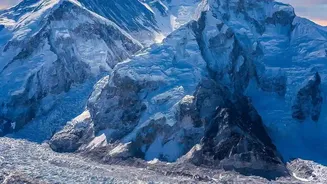
High in the Himalayas, thousands of new lakes are forming as glaciers melt. While beautiful, they are also ticking time bombs. UN-backed reports now warn that this growing threat of glacial lake outburst floods is aimed squarely at India's vital infrastructure.
Earth's 'Third Pole' Is Melting
The Hindu Kush Himalaya region, often called the 'Third Pole', holds the largest concentration of ice outside the polar caps. But as global temperatures rise, these glaciers are retreating at an unprecedented rate. This meltwater pools behind natural dams made of rock and debris left by the retreating glacier, forming what are known as glacial lakes. According to the Indian Space Research Organisation (ISRO), thousands of such lakes now dot the mountains, with hundreds expanding significantly in recent decades. A Glacial Lake Outburst Flood, or GLOF, occurs when this natural dam fails, releasing a sudden, catastrophic torrent of water, mud, and boulders downstream. This isn't a gentle overflow; it's a violent explosion of water that can obliterate everything in its path.
A Clear and Present Danger
Recent studies supported by the United Nations have sounded a clear alarm: the danger from GLOFs is no longer a distant threat, but a clear and present one. Reports from the UN Development Programme (UNDP) and other agencies emphasise that climate change is accelerating the frequency of these events. The October 2023 disaster in Sikkim, where a GLOF on the Teesta River killed dozens and affected over 88,000 people, served as a grim wake-up call for the entire Himalayan region. A recent UN-led study found that India has suffered the highest number of deaths from GLOFs in the Hindu Kush Himalaya region over the past two centuries. The warnings are consistent: as more lakes form and existing ones expand, the potential for disaster grows exponentially.
Infrastructure on the Frontline
Perhaps the most urgent concern highlighted in recent analyses is the extreme vulnerability of infrastructure. To harness the power of Himalayan rivers, India has invested heavily in hydropower projects, placing expensive dams, powerhouses, and transmission lines directly in the path of potential GLOFs. The 2023 Sikkim flood completely destroyed the 1,200 MW Teesta III dam. Similarly, the 2021 flood in Chamoli, Uttarakhand, devastated two major hydropower projects. But it's not just dams. Crucial roads, bridges, military installations, and entire settlements are often built along the same narrow river valleys, the only available flat land in the mountains. A single GLOF can sever transport links, isolate entire districts, and cripple the regional economy for years.
A Threat That Knows No Borders
The danger is compounded by the fact that GLOFs do not respect international boundaries. A glacial lake bursting in Bhutan or Nepal can have devastating consequences for communities downstream in India. In late October 2026, a GLOF at Bhutan's Shintaphu Lake triggered flood alerts and evacuations in parts of West Bengal and Assam. This transboundary nature of the risk makes monitoring and mitigation incredibly complex. Experts and international bodies like ICIMOD stress the need for greater regional cooperation, including sharing data between countries like Nepal, Bhutan, China, and India to create effective, people-centred early warning systems. Without this collaboration, a disaster originating hundreds of kilometres away could arrive with little to no warning.
A Race Against Time
Responding to this escalating threat requires a multipronged approach. The National Disaster Management Authority (NDMA) has identified nearly 200 at risk glacial lakes and is guiding states on risk reduction. Solutions range from high tech to highly practical. They include installing robust early warning systems with sensors and sirens which are currently deficient. In some cases engineers can undertake complex missions to carefully drain dangerous lakes creating artificial channels to lower water levels. Most importantly development planning itself must change. There are growing calls to mandate comprehensive climate and GLOF risk assessments before approving any new major infrastructure especially hydropower projects in these fragile valleys.