




The Philosophy of 'Point of Need'
The core idea is to reduce friction. Every time you have to walk to another room to grab something you need, it’s a small interruption in your workflow and a drain on your mental energy. Think about the time spent searching for your keys, walking to the pantry
for cooking oil while something is on the stove, or hunting for a charging cable when your phone is at 1%. These minor inconvenconveniences add up, creating a subtle undercurrent of chaos. By placing high-frequency items at their 'point of need'—the exact location where the task involving them occurs—you are designing your space to support your habits, not work against them. This isn't just about being tidy; it’s about being smart with your space and, more importantly, your time.
The Entryway as a Launch Pad
Your home's entrance is a high-traffic zone for departures and arrivals. It should function as a launch and landing pad for your daily journeys. Instead of dropping things on the nearest surface, create a designated 'command centre.' Install a few hooks for keys, a small tray for wallets and sunglasses, and a designated spot for mail. If you always grab a shopping bag on your way out, keep them hanging neatly by the door, not stuffed in a kitchen drawer. For those living in cities where removing shoes is customary, a bench with built-in storage for footwear prevents a pile-up and keeps the entrance clear and welcoming. The goal is to grab what you need in seconds as you leave and deposit it just as easily when you return.
Optimising Your Kitchen Workflow
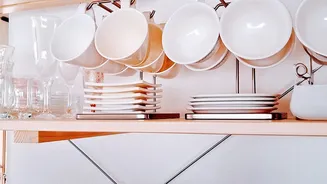
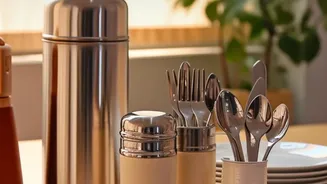
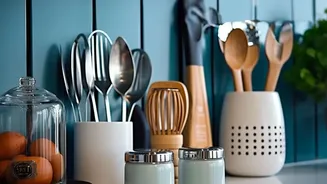
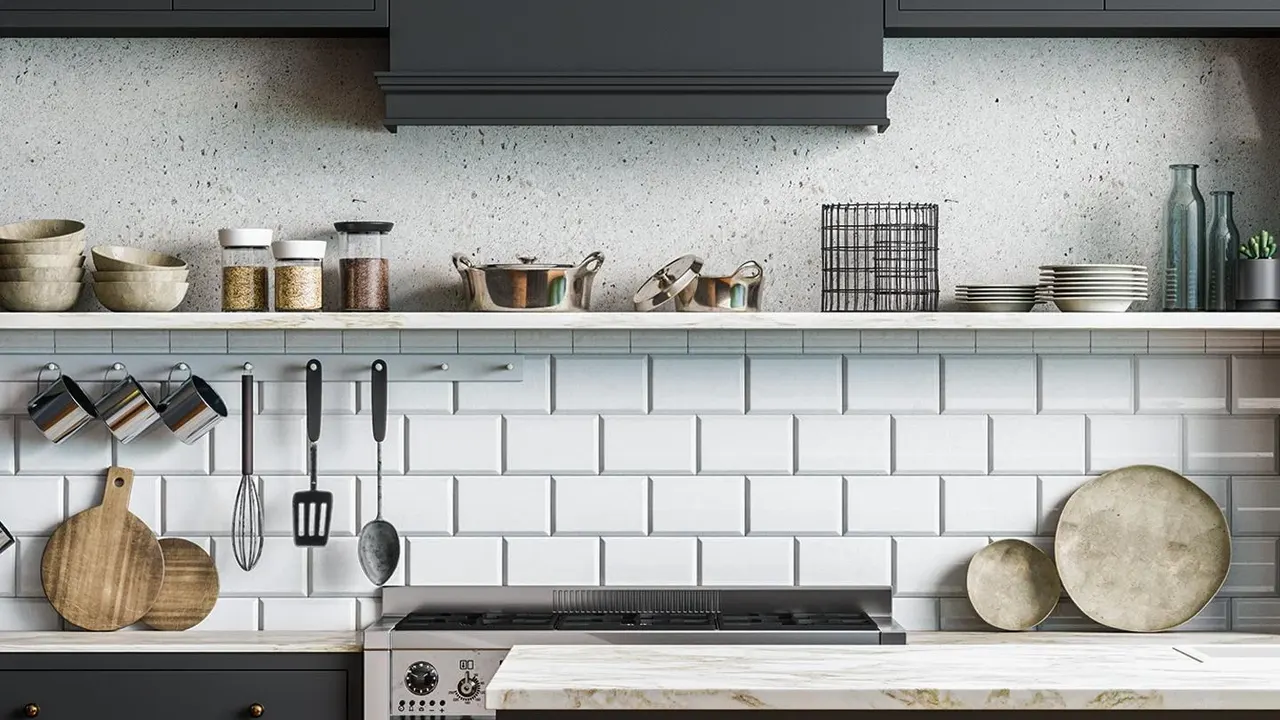
The kitchen is perhaps the best place to witness the power of point-of-need storage. A well-organised kitchen flows intuitively. Store your cooking oils, salt, pepper, and most-used spices on a small tray or in a narrow cabinet right next to the stove. Knives and cutting boards should live in the prep area where you do most of your chopping. Keep coffee, tea, sugar, and mugs in the cabinet directly above or next to your kettle or coffee maker. Unloading the dishwasher becomes faster when everyday plates, glasses, and cutlery are stored in the drawers or cabinets closest to it. Grouping items by task—like baking supplies in one area and breakfast items in another—streamlines every culinary activity.
The Bedroom and Bathroom Routine
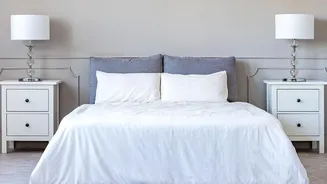
Your morning and evening routines are deeply personal and repetitive, making them prime candidates for this organisational approach. In the bathroom, items for your skincare routine should be together near the sink, not scattered across different drawers. Keep a stock of fresh towels in the bathroom itself, either on open shelves or in a vanity, rather than in a distant linen closet. In the bedroom, your nightstand is a crucial point-of-need hub. It should hold your reading glasses, the book you're currently reading, a phone charger, and a carafe of water if you often wake up thirsty. This prevents you from having to get out of bed once you're settled in for the night.
The Productive and Tidy Workspace
With the rise of remote work, our homes now often include a professional 'point of need.' Your desk is the epicentre of your productivity, and it should be equipped accordingly. Keep pens, notebooks, and essential stationery in a desk organiser within arm's reach. Chargers for your laptop, phone, and other devices should be managed with cable clips and plugged into a power strip accessible from your chair. If you frequently refer to specific documents, use a desktop file holder instead of storing them in a filing cabinet across the room. A clean, organised workspace where everything you need is readily available helps you stay focused and minimises distractions.