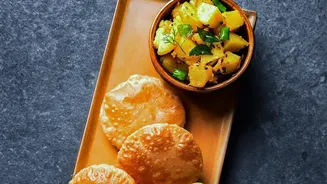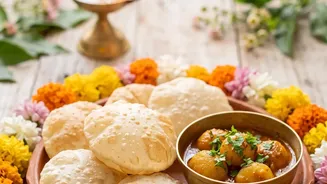






Few meals evoke the feeling of a special occasion in India quite like Puri Sabzi. The aroma of freshly fried bread and spiced potatoes is a hallmark of festive mornings, lazy Sunday brunches, and joyous family gatherings across the country.
More Than a Meal, It's a Feeling
Puri Sabzi
is not merely food; it is an experience steeped in nostalgia and comfort. For many, the combination of hot, puffed-up puris and a flavourful potato curry is a direct link to cherished memories. It’s the taste of Diwali mornings, the special treat during Navratri Kanya Pujan, or the reward after a religious ceremony. Its presence on the dining table signals that the day is out of the ordinary. This simple, vegetarian meal brings a sense of unity and celebration, whether served in a bustling temple 'bhandara' or a quiet family home. The beauty of Puri Sabzi lies in its ability to be both a humble, everyday breakfast and a dish fit for a feast, embodying the spirit of Indian hospitality and togetherness.
The Soul of the Dish: Aloo Sabzi
The quintessential partner to the puri is a lovingly prepared Aloo ki Sabzi. While recipes vary from one household to another, the most beloved version, often called 'Bhandare Wale Aloo Sabzi', is notable for its simplicity and depth of flavour. This style is typically made without onion or garlic, relying on a base of tomatoes, ginger, and green chillies. Spices like cumin, turmeric, coriander powder, and a pinch of asafoetida (hing) create a fragrant aroma, while a dash of amchur (dry mango powder) adds a characteristic tang. The potatoes are often boiled and lightly crushed by hand, which helps thicken the gravy naturally, giving it a rustic, comforting consistency that perfectly coats each piece of puri.
The Art of the Perfect Puri
A puri is a marvel of culinary science. Made from a simple dough of whole wheat flour (atta), water, and sometimes a little salt or oil, it transforms into a golden, puffed balloon when slipped into hot oil. The secret to a perfect puri that puffs up and stays that way lies in the dough and the frying technique. The dough must be kneaded to a stiff consistency, as a soft dough will absorb too much oil. After resting, small discs are rolled out evenly and fried in oil that is hot but not smoking. The sudden heat causes the moisture in the dough to turn to steam, which inflates the bread from the inside. Some cooks add a spoonful of semolina (suji) or a little hot oil to the dough to ensure the puris are extra crisp.
A Dish with Many Faces
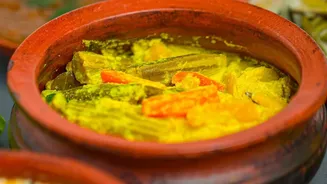
While the classic wheat flour puri and potato sabzi is a North Indian staple, the dish has countless regional interpretations that showcase India's diverse palate. In West Bengal, the delicate, all-purpose flour 'Luchi' is paired with a lightly spiced potato curry called 'Aloor Dom'. In Uttar Pradesh and Delhi, a heartier version known as 'Bedmi Puri', made with a stuffing of ground urad dal, is a popular breakfast. Go further west to Gujarat, and you might find a sweeter and spicier take on the sabzi. In the south, puris are often served with a potato masala similar to that used in dosas, or with a vegetable kurma. These variations demonstrate the dish's incredible adaptability, with each region adding its own signature touch.
A Timeless Tradition on Your Table
From bustling street-side stalls to elegant wedding feasts, Puri Sabzi remains one of India's most beloved and versatile meals. Its enduring appeal comes from its perfect balance of textures and flavours—the crisp-yet-soft puri against the flavourful, hearty sabzi is a combination that satisfies the soul. It is a dish that connects generations, a taste of home that can be found in almost every corner of the country. Simple to its core, it doesn't require exotic ingredients, yet it consistently delivers a festive and fulfilling experience, proving that the most memorable meals are often the ones made with the most love.