





Why Follow a Produce Calendar?
Embracing seasonal eating is one of the most effective ways to improve your diet and connect with your food. Produce that is in season is picked at its peak, which means it’s more nutrient-dense and flavourful. When fruits and vegetables are abundant,
their market price naturally drops, making it easier on your wallet. Furthermore, eating locally and seasonally reduces the environmental impact of your food, as it lessens the need for long-distance transport and extensive cold storage. It also provides crucial support to local farmers and strengthens the regional economy.
One Nation, Many Seasons
India's vast and varied geography means a single, unified produce calendar is impossible. What’s growing in the Himalayan foothills of the north is vastly different from the produce in the tropical climate of the south. The country can be broadly divided into agricultural zones that follow different seasonal patterns based on factors like the monsoon and winter temperatures. A winter in Delhi offers a bounty of leafy greens and root vegetables, while a winter in Kerala provides different produce. Understanding this diversity is key to creating a calendar that works for you.
A Glimpse into a North Indian Winter
Winter in North India (roughly December to February) is a celebrated time for vegetables. The cooler weather allows many crops to develop a deeper sweetness and more robust texture. Markets are filled with vibrant carrots (gajar), perfect for everything from sabzis to gajar ka halwa. Leafy greens are abundant, especially mustard greens (sarson), which are famously used to make sarson ka saag. Other staples of this season include sweet and tender green peas (matar), firm cauliflower (gobhi), juicy radishes (mooli), and earthy beetroots.
Monsoon Bounty in the South
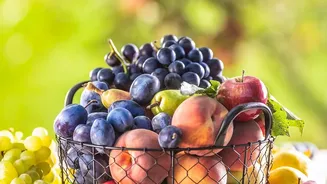
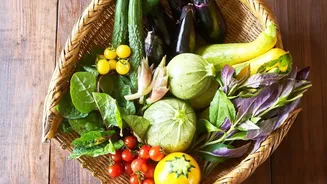
The monsoon season (June to September) transforms the agricultural landscape across India, particularly in the south. This period brings a variety of gourds that thrive in the wet and humid conditions. You'll find an abundance of snake gourd (chichinda), ridge gourd (tori), and ivy gourd (tindora). Bitter gourd (karela), though available year-round, is typically harvested in July and is a monsoon staple. The rains also bring fresh corn (bhutta) and a flourishing of leafy greens like amaranth and spinach. For fruits, it's the season for jamun, plums, and peaches.
The All-Important Summer and its Fruits
Summer (March to June) is synonymous with one fruit across almost all of India: the mango. From the Alphonso in the west to the Dasheri in the north, different varieties ripen as the season progresses. But summer offers more than just mangoes. It’s the peak season for hydrating fruits like watermelon and muskmelon, which are perfect for beating the heat. You'll also find a short but sweet season for lychees. For vegetables, many of the gourds like bottle gourd (lauki) and pumpkins are readily available.
How to Build Your Own Calendar
The most practical guide to regional produce isn't found online—it's at your local sabzi mandi or farmer's market. The first step is simply to observe. See what vendors have in large quantities, as abundance is a clear sign of seasonality. Talk to the sellers; they are often a wealth of knowledge about where the produce comes from and when it's at its best. Notice the prices—seasonal items are almost always cheaper. Start a small notebook or a note on your phone. Each market visit, jot down what's plentiful. Over time, you will build a personalised and highly accurate produce calendar for your specific region, empowering you to eat fresh, save money, and enjoy the very best of what your local area has to offer.