




What Exactly is a Dark Store?
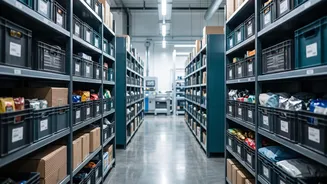
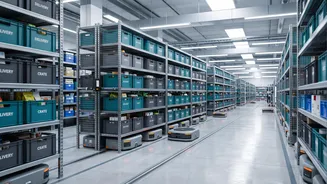
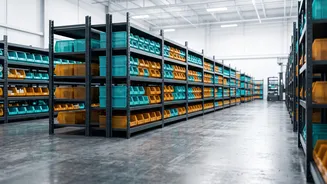
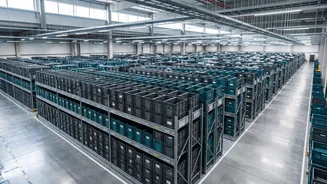
Imagine a supermarket that no customer can enter. That, in essence, is a dark store. These are not retail shops but compact, micro-fulfilment centres, typically ranging from 2,000 to 5,000 square feet, strategically located deep inside residential neighbourhoods.
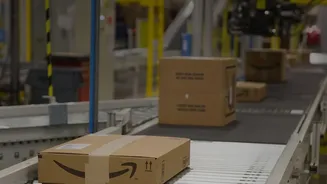
Their sole purpose is to receive, sort, and dispatch online orders at lightning speed. Everything about their design—from the layout of shelves to the precise placement of the 3,000 to 5,000 most-ordered items—is optimised for one thing: getting an order packed and out the door in under two minutes. These facilities are 'dark' to the public, with shuttered fronts that often blend into the local landscape, giving little clue to the high-tech logistics operation whirring inside.
Why Bengaluru is the Perfect Epicentre
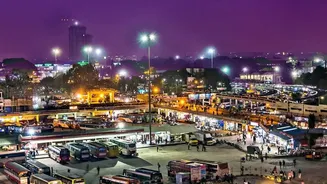
Bengaluru has more dark stores than any other city in India, with over 629 locations, accounting for more than 11% of the national total as of July 2026. This isn't by chance. Several unique factors make the city a fertile ground for quick commerce. The city's notorious traffic is a major driver; for a professional facing long commutes, getting groceries delivered in minutes is a rational choice, not a luxury. Furthermore, Bengaluru's population is defined by its high concentration of young, tech-savvy professionals in dual-income households who value convenience and have been conditioned by food delivery apps to expect on-demand services. The city's high density of apartment complexes also improves the economics of last-mile delivery, as a single rider can serve dozens of orders in one location. Unsurprisingly, three of the major players—Swiggy, Flipkart, and BigBasket—are headquartered in Bengaluru, making it the industry's de facto R&D lab for testing new features before a national rollout.
The Players Dominating the Market
The battle for Bengaluru's quick-commerce crown is intense. The market is primarily a contest between a few heavily-funded players. Blinkit (backed by Zomato) and Zepto lead the pack in store count, with Swiggy Instamart close behind. Newer entrants like Flipkart Minutes and BigBasket Now are also expanding aggressively to claim their share. These companies leverage sophisticated data analytics to predict neighbourhood-level demand, ensuring that a store in a student-heavy area is stocked with instant noodles during exam week, while one near young families has a steady supply of bread and eggs on weekend mornings. This fierce competition for market share is what fuels the rapid opening of new dark stores across the city, as each platform needs its own dense network to ensure coverage and speed.
The Impact on Neighbourhoods and Kiranas
The explosion of dark stores has a direct impact on the fabric of the city. On one hand, it creates a significant number of gig-economy jobs for delivery partners and warehouse staff, with estimates suggesting Bengaluru's dark stores employ thousands of workers. For landlords, leasing space to quick-commerce companies can be more lucrative than renting to traditional retailers. However, the model is not without its critics. The constant buzz of delivery vehicles contributes to noise and traffic congestion in residential lanes, and there are growing concerns about these commercial operations existing in residentially zoned areas. Moreover, the convenience and aggressive pricing of quick commerce are putting immense pressure on traditional mom-and-pop kirana stores, a cornerstone of Indian retail for generations.
The Road Ahead: Profitability and Sustainability
While the growth is explosive, the long-term sustainability of the 10-minute delivery model is still under scrutiny. The primary challenges are achieving profitability and managing operational complexities. High operational costs, including rent, staffing, and delivery logistics, mean that unit economics are tight. Companies are heavily investing in technology like AI-driven inventory forecasting and route optimisation to improve efficiency. As the market in core Bengaluru areas like the Outer Ring Road corridor approaches saturation, the next phase of growth is expected in less-served parts of North and West Bangalore and expansion into Tier II cities. The industry will likely see a move toward balancing ultra-fast delivery with profitability, potentially through larger order values and operational consolidation.