







From Chaos to Coordination
For generations, the pilgrimage to witness the Rath Yatra in Puri was an arduous affair. Devotees faced a daunting journey marked by overcrowded trains, gridlocked roads, and a severe lack of real-time information. Finding accommodation or even basic
amenities was a challenge, turning a sacred journey into a logistical nightmare for many. The sheer volume of people descending on the small coastal town often overwhelmed its infrastructure, leading to safety concerns and immense stress for both pilgrims and administrators. This annual struggle has been a long-standing narrative, a trial that devotees accepted as part of their devotional test.
The Rise of Smart Pilgrimage
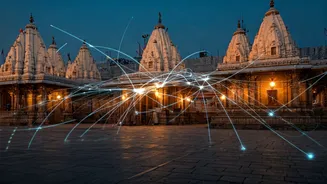
This year, however, marks a significant shift. The journey to Puri is undergoing a major upgrade, driven by a coordinated push towards a 'smart' festival. At the heart of this transformation is a focus on leveraging technology to manage the massive influx of people. In response to past incidents, including a tragic stampede in 2025, the Odisha government has implemented a comprehensive master plan for 2026. This plan emphasizes crowd management, safety, and seamless coordination between various government departments, from the railways to the local police.
A Unified Digital Approach
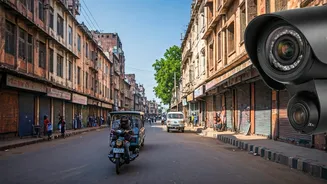
A key element of the new strategy is the use of technology for crowd control and information dissemination. An integrated command and control centre has been established to monitor the crowds in real time, using a vast network of CCTV cameras. Police have stressed the importance of timely communication, using LED screens at public places, social media, and bulk SMS systems to provide updates on rituals and crowd flow. This prevents dangerous congestion by allowing authorities to regulate the movement of people proactively. For devotees, this means less time spent waiting in uncertain crushes and more reliable information at their fingertips. Official mobile apps like 'Shree Jagannatha Dham' and 'Shree Mandira' provide real-time updates on ritual timings, queue lengths, and parking availability, placing crucial information directly in the hands of pilgrims.
The Journey Itself, Reimagined
Transportation, the biggest hurdle for most, has seen significant enhancements. Indian Railways is playing a crucial role by running hundreds of special trains to and from Puri during the festival period. These special services, which include coaches friendly for divyang and senior citizens, connect Puri with cities across the country, easing the immense pressure on the regular network. On the roads, hundreds of additional buses are being operated by the Odisha State Road Transport Corporation (OSRTC). To manage vehicle flow, a dedicated park-and-ride system has been set up. Pilgrims arriving in private vehicles or long-distance buses are directed to large designated parking lots on the outskirts, from where shuttle services transport them into the town, keeping the main roads clear and safe.
Beyond Transport: A Holistic Experience
The 'smart' approach extends well beyond travel. Authorities have scaled up healthcare infrastructure, with hundreds of additional hospital beds and dozens of emergency health centres staffed by teams of doctors. Sanitation has also been a priority, with thousands of temporary toilets installed and high-capacity pumps ready to prevent waterlogging during the monsoon season. This 360-degree approach aims to improve the entire pilgrimage experience, allowing devotees to focus on the spiritual significance of the Rath Yatra rather than worrying about their safety and basic needs. It reflects a growing understanding that modernising logistics does not dilute tradition; it supports it.