





The Wet and Dry Zone Strategy
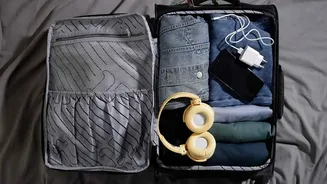
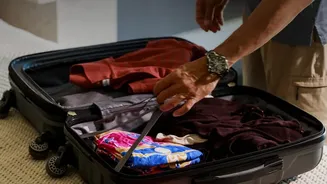
The foundation of successful monsoon packing is compartmentalisation. Think of your main luggage not as one large space, but as two distinct zones: one for completely dry items and another for anything damp, used, or potentially wet. This prevents moisture
from a damp raincoat or a pair of soaked shoes from spreading to your fresh clothes and electronics. The goal is to create a firewall against humidity. This simple strategy saves you from the unpleasant discovery that everything you own has acquired a uniform state of clamminess. It’s a mental shift from just packing items to managing moisture from the moment you zip your bag.
Gear for a Dual-Zone System
To execute the wet-and-dry-zone system, a few key items are non-negotiable. First, invest in a set of dry bags. These are lightweight, waterproof sacks that create an impermeable barrier for your electronics and a fresh set of clothes. For a more budget-friendly option, heavy-duty zip-top plastic bags work well for smaller items. Next, have a dedicated, larger waterproof bag or a simple garbage bag to serve as your 'wet zone' for used clothes and damp towels. Finally, a reliable rain cover for your entire backpack or suitcase is essential. Most bags are water-resistant, not waterproof, and a sudden downpour can easily penetrate zippers and seams.
Protecting Documents and Electronics
Water can instantly destroy passports, IDs, and electronics. The 'dry zone' rule is most critical here. Keep all important documents like your Aadhaar card, tickets, and hotel bookings in a sealed waterproof document pouch. For electronics, double-layering is a wise strategy. Place your phone, power bank, and camera in individual waterproof pouches or zip-top bags, and then pack them in the driest, most central part of your bag. For added protection against ambient humidity, which can cause damage even without direct rain, toss a few silica gel packets into your electronics bags and main luggage compartments. These small desiccant packets absorb moisture and can be a trip-saver.
Solving the Laundry Dilemma
Laundry during the monsoon is a significant challenge because high humidity means nothing dries quickly. The first step is to pack the right fabrics. Avoid heavy cottons and denim, which absorb moisture and can take days to dry. Instead, opt for quick-drying synthetic fabrics like polyester or nylon blends for your t-shirts, trousers, and underwear. These materials can often be washed in a hotel sink and will be dry by morning. Pack a microfibre towel, which dries much faster than a standard cotton one. To combat musty smells, pack a few scented dryer sheets or charcoal bags in your luggage. When you need to dry something, hang it in a well-ventilated area, ideally near a fan, rather than in a closed, damp bathroom.
Choosing the Right Attire
Beyond fabric choice, the style of your clothing and footwear matters. Pack lightweight, loose-fitting clothes that allow for air circulation. For footwear, leave the leather shoes and absorbent sneakers at home. The best options are waterproof sandals with a good grip or rubber floaters that can handle wet streets and muddy trails without falling apart. It's always wise to pack an extra pair of shoes. A lightweight, waterproof jacket or a poncho is more practical than an umbrella, which can be useless in strong monsoon winds. Darker coloured clothing is also a practical choice, as it is more forgiving of the inevitable splashes from muddy puddles.