


The New Time-Crunched Consumer
The modern Indian lifestyle, particularly in urban centres, is defined by packed schedules and shrinking personal time. Rapid urbanisation and rising disposable incomes have created a generation of consumers who value time as much as money. The traditional
approach to nutrition, involving soaking, grinding, and slow cooking, is becoming a luxury many can no longer afford on a daily basis. This has created a significant gap in the market: the need for nutritious food that is also quick and easy to consume. Consumers are actively looking for ways to maintain a healthy diet without the associated time investment, setting the stage for a boom in on-the-go nutritional products.
From Kitchen Staple to Grab-and-Go Snack
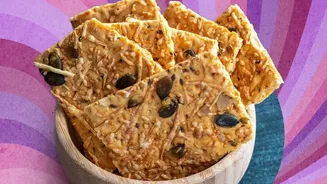
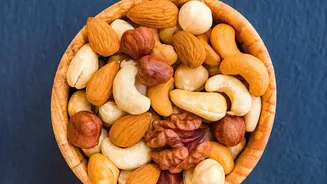
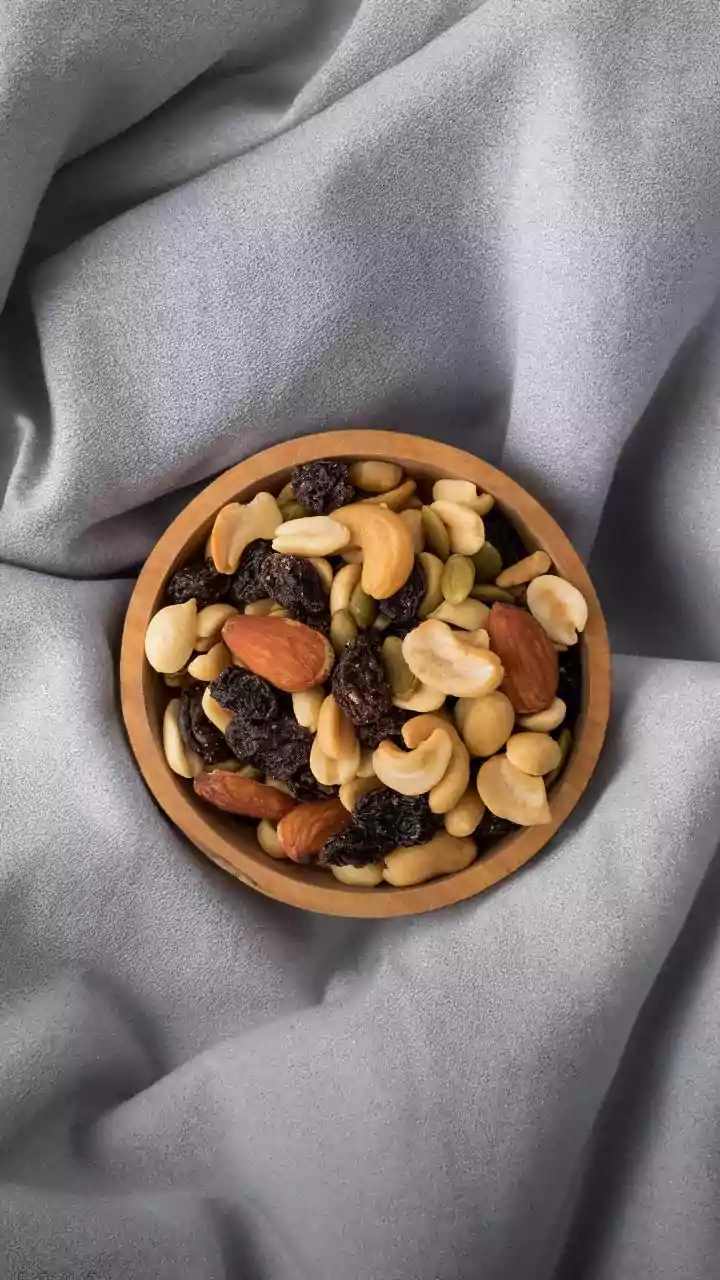
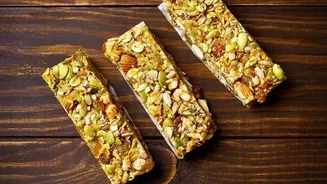
Protein, nuts, and seeds have always been integral to Indian diets, but often in forms that require preparation. Today, the change is in the format. The market has exploded with ready-to-eat options that fit seamlessly into a busy day. Think protein bars replacing a mid-day meal, roasted and flavoured makhana taking over from fried snacks, and single-serve packs of almonds and walnuts becoming a default travel companion. According to a report by one of India's leading quick-commerce platforms, orders for protein-based products surged by 150% over the last couple of years, with newer formats like protein yogurt and wafers seeing massive growth. This shift from raw ingredient to finished product has been the single biggest driver of adoption.
The Business of Healthy Convenience
An entire industry has risen to meet this demand. The Indian healthy snacks market is projected to grow significantly, with some estimates suggesting a CAGR of nearly 10%, outpacing the global average. Startups and established FMCG giants alike are launching products that explicitly target the health-conscious yet time-poor consumer. Brands are focusing on clean labels, transparent ingredient lists, and hero ingredients like nuts and seeds to build trust. The rise of quick-commerce has further accelerated this trend, compressing the journey from discovery to consumption. A consumer can now order a healthy snack and have it delivered in minutes, making the convenient choice the easiest one.
A Post-Pandemic Push for Health
The aspiration for convenience is powerfully combined with a heightened sense of health awareness, a trend significantly amplified since the COVID-19 pandemic. Consumers are no longer just eating to fill their stomachs; they are eating to boost immunity, build strength, and improve overall wellness. Reports indicate that a high percentage of Indians are actively seeking snacks with functional benefits, including high protein content. This mindset shift means that when faced with a choice, a growing number of people are willing to opt for, and even pay a premium for, healthier alternatives, provided they are readily available and taste good. This has made protein, nuts, and seeds, once considered specialty or festive foods, an everyday affair.
Beyond the Metros
While this trend was initially concentrated in major metropolitan areas like Bengaluru and Delhi, it is rapidly expanding into Tier-II and Tier-III cities. The growth in these emerging markets is reportedly over 200% faster than in the metros. This expansion is fueled by the deep penetration of e-commerce platforms and a growing aspirational desire for urban lifestyles and wellness habits. As access to these convenient nutritional products becomes democratised through online channels, the shift towards incorporating more protein, nuts, and seeds into daily diets is becoming a truly national phenomenon, moving beyond the urban elite to a much broader consumer base.