





A Shift in Traveller Priorities
Indian travellers are increasingly swapping conventional sightseeing for more immersive cultural experiences, and food is at the heart of this shift. Recent reports highlight a significant change in how holidays are planned, with local cuisine becoming
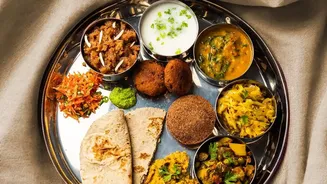
a primary motivator. According to a July 2026 Skyscanner report, 67% of Indian travellers now plan their trips around heritage, festivals, and food. This isn't just about finding a good restaurant; it's about connecting with a place's identity. For many, food serves as a gateway to understanding a region's history, traditions, and people. This trend, often called culinary or gastronomic tourism, has moved from a niche interest to a major driver in the travel industry, with some data suggesting that nearly 40% of travellers identify local cuisine as a key factor when planning trips.
The Digital Breadcrumb Trail
So, how is this research being done? The answer, overwhelmingly, is online. Social media platforms like Instagram and YouTube have become the biggest sources of inspiration, with 42% of travellers citing them as a key driver for culture-led travel. Visually rich content from food bloggers and influencers provides a tempting preview of a destination's culinary landscape, from street food stalls to fine-dining experiences. Beyond social media, dedicated apps are simplifying the discovery process. While established apps like Zomato and Swiggy are essential for finding restaurants in major cities, a new wave of platforms is emerging. Apps like Favhiker, which bills itself as a social food discovery platform, focus on specific dishes and community recommendations, helping travellers find authentic eats beyond the usual tourist traps.
How to Plan Your Own Food-Focused Trip
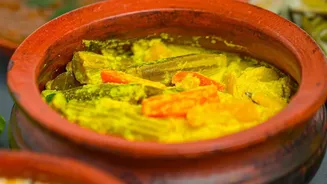
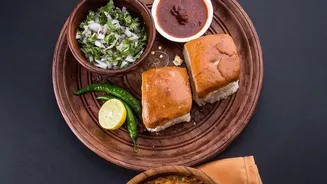
Ready to plan your own culinary journey? The key is to start with the food. First, identify a region or cuisine that excites you. Is it the coastal seafood of Kerala, the rich kebabs of Lucknow, or the unique flavours of Northeast India? Once you have a theme, dive into research. Follow food bloggers from that region, search for location-specific food hashtags, and look through travel forums for authentic recommendations. Build a 'must-try' list of dishes, not just restaurants. This approach gives you flexibility and encourages you to explore local markets, street vendors, and hole-in-the-wall eateries. Don't just plan for meals; look for experiences. Many destinations now offer curated food walks, cooking classes with local families, or tours of spice plantations and local markets, which provide a deeper connection to the food culture.
Beyond the Restaurant: A Deeper Experience
This new wave of travel is about more than just consumption; it’s about participation. A significant number of travellers are now opting for holiday homes with kitchens, not to avoid local food, but to engage with it on a different level. One study found that 84% of Indian travellers enjoy visiting local markets to buy fresh ingredients to cook with during their trip. This allows them to experiment with regional recipes and connect with the destination in a more personal, hands-on way. Experiences like shopping at a local bazaar, learning to prepare a regional delicacy, or even just trying to replicate a dish you enjoyed at a local eatery transform a simple holiday into a memorable cultural immersion. It turns travel from a passive activity into an active, engaging exploration.