






The Science Behind the Slump
That post-lunch sleepiness is often caused by a rapid spike and subsequent crash in your blood sugar levels. Many typical Indian lunches are heavy on carbohydrates—think a large portion of white rice or several rotis—with smaller amounts of protein and fibre.
Refined carbohydrates, like white rice and white-flour rotis, are digested quickly, flooding your bloodstream with sugar. Your body releases a large amount of insulin to manage this sugar rush, which then causes your blood sugar to plummet, leaving you feeling tired, foggy, and craving more snacks.
Rethinking the 'Standard' Indian Thali
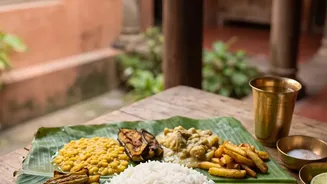
The traditional Indian thali is a model of balanced nutrition, designed to provide a variety of tastes and nutrients. However, the modern, hurried version often becomes unbalanced. It might consist of a mountain of rice, a couple of rotis, and just a small katori of dal or a lightly-spiced vegetable sabzi. While delicious, this composition is predominantly carbohydrate-based. The protein and fibre, which are crucial for slowing down sugar absorption, are often insufficient to prevent the post-meal energy crash.
The Power of Protein and Fibre
The secret to sustained energy lies in two key nutrients: protein and fibre. Both slow down the digestive process, which means the sugar from carbohydrates is released into your bloodstream much more gradually. This prevents the dramatic spike-and-crash cycle. Aim to fill a quarter of your plate with a solid protein source. For vegetarians, this means a generous portion of dal, rajma, chana, paneer, or curd. Non-vegetarians can add eggs, fish, or chicken. Fibre, found abundantly in vegetables, salads, and whole grains, is equally important for creating a slow-release energy meal.
The Simple Plate-Balancing Rule
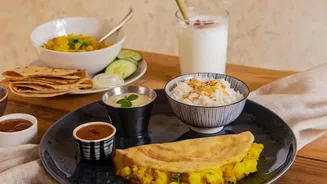
Visualising your plate is the easiest way to build a better meal. Follow this simple model for your main meals: Fill half of your plate with non-starchy vegetables. This could be a sabzi, a generous salad, or steamed greens. The high fibre content will help you feel full and stabilize your blood sugar. Dedicate one quarter of your plate to lean protein. This is your dal, sambar, paneer, tofu, eggs, or chicken. The final quarter of your plate should be for your carbohydrates. This is where your roti, rice, or millets go. Choosing whole grains like brown rice, bajra, or jowar over refined white rice provides more fibre and nutrients.
Smart Swaps for Lasting Energy
You don't need to completely overhaul your diet. Small, consistent changes can make a huge difference. If you love rice, try switching from white rice to brown rice or basmati rice, which have a lower to medium glycemic index. Instead of four plain atta rotis, have two made from a multigrain flour that includes jowar or ragi. Double your portion of dal and add a simple kachumber salad (cucumber, tomato, onion) to every lunch. Including healthy fats like a spoonful of ghee on your roti or adding a few nuts can also increase satiety and aid in the absorption of vitamins. And don't forget to stay hydrated; sometimes fatigue is simply a sign of dehydration.