






The New Safari Set
Travel to the buffer zones of Bandhavgarh, Kanha, or Pench National Parks, and you'll see it. The morning air, crisp and cool, is filled with the clicks of camera shutters. But it's the people behind the lenses that mark a significant shift. A growing
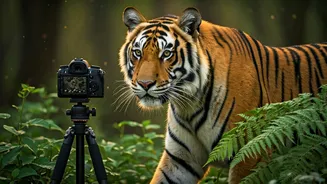
number of visitors are in their twenties and thirties, urban professionals and college students who trade their weekends in the city for a dusty, bumpy, and utterly thrilling ride through the jungle. They come equipped not just with enthusiasm, but with formidable gear—long telephoto lenses, high-speed camera bodies, and the patience of a predator. This isn't just a holiday; for many, it’s a serious passion project, fuelled by a desire to capture the raw beauty of India's iconic fauna.
More Than Just a Viral Shot
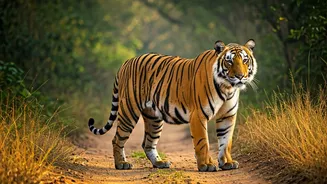
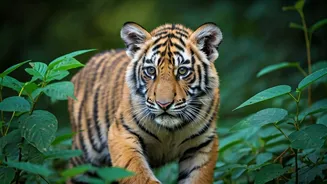
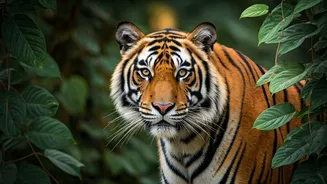
While the desire for a stunning, shareable photo is undeniable, dismissing this trend as mere Instagram-chasing would be a mistake. For many of these young photographers, the process is as important as the outcome. It's about the discipline of waking before dawn, the thrill of tracking a tiger's pugmarks with a seasoned guide, the shared silence in the jeep when a leopard is spotted, and the profound peace of being immersed in nature. Wildlife photography demands patience, skill, and an understanding of animal behaviour. It’s an antidote to the instant gratification of city life, offering a deeper, more challenging reward. The photograph becomes a trophy, not of conquest, but of a moment of genuine connection between human and animal.
The Social Media Catalyst
The role of social media in this phenomenon is complex and crucial. Platforms like Instagram and YouTube have turned wildlife photographers from niche hobbyists into celebrated creators and influencers. Aspiring photographers follow a new generation of Indian wildlife icons who not only share breathtaking images but also demystify the craft through tutorials, behind-the-scenes videos, and gear reviews. This has made the field feel accessible. A great tiger photo can launch a career or, at the very least, earn massive social currency. Hashtags related to Indian wildlife are flooded with high-quality images, creating a virtuous cycle of inspiration and aspiration that encourages more people to pick up a camera and head to the reserves.
Democratisation of the Craft
Until recently, serious wildlife photography was perceived as an expensive, exclusive hobby. The cost of professional-grade lenses alone was prohibitive for most. However, several factors have lowered the barrier to entry. The rise of a robust camera rental market in major cities allows enthusiasts to use top-tier equipment for a fraction of the purchase price. Furthermore, accessible EMI options have put high-end gear within reach of a salaried middle class. This technological and financial democratisation, combined with improved road and rail connectivity to safari hubs, has made the dream of photographing a tiger in its natural habitat a reality for a much wider audience.
A New Wave of Conservation Awareness?
The influx of this new, digitally-native audience has powerful implications for conservation. Every photo shared is a tiny advertisement for India's natural heritage, raising awareness on a scale traditional campaigns could only dream of. However, the trend is not without its challenges. There is a growing debate within the community about ethical photography practices. The pressure to get 'the shot' can sometimes lead to crowding, stressing animals, or flouting park rules. The most respected photographers in the field are now using their platforms to advocate for responsible tourism—emphasising the animal's welfare over the photographer's ambition. The hope is that this passion for capturing nature will evolve into a commitment to protecting it, turning shutterbugs into staunch conservation allies.