







From Pantry to Everything Store
What started as a service for last-minute milk and bread runs has rapidly evolved into a sprawling digital marketplace. Quick commerce platforms in India, such as Blinkit, Zepto, and Swiggy Instamart, are aggressively expanding their product catalogues
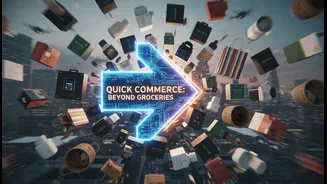
far beyond daily essentials. Today, you can get everything from a new smartphone and headphones to beauty products, apparel, and even small home appliances delivered to your door in minutes. This strategic shift is driven by the hunt for higher profit margins, as non-grocery items typically offer better returns than low-margin staples. Categories like electronics, personal care, pet supplies, and stationery now constitute a significant portion—up to 25%—of sales for these platforms. Companies are innovating to capture this demand. Zepto has introduced categories for electronics and fashion, while Blinkit offers items ranging from LEGO sets to sports equipment. Swiggy has integrated its 'Mall' concept into Instamart, creating a unified platform for over 35 categories of products. This expansion has turned quick commerce into a direct competitor for traditional e-commerce giants like Amazon and Flipkart, changing consumer behaviour from planned, occasional purchases to frequent, on-demand shopping.
The Hidden Costs of Convenience
While instant delivery offers unparalleled convenience, it comes with a complex set of risks for consumers, businesses, and workers. For shoppers, the ease of impulse buying can lead to overspending and wasteful consumerism. For the companies themselves, the business model is fraught with financial challenges. Quick commerce is a cash-intensive industry, defined by high operational costs for maintaining a network of 'dark stores' (localised warehouses) and a vast fleet of delivery partners. Despite soaring growth, many platforms operate at a loss, relying on heavy discounts and continuous funding from investors to stay afloat. The pressure to deliver within minutes also places an immense strain on gig workers. These delivery partners often face challenging working conditions, the pressure of speed, and the precarity of the gig economy, which often lacks traditional employment benefits like job security and healthcare. Furthermore, the surge in delivery vehicles contributes to traffic congestion and pollution in already crowded urban centres.
The Path to Profitability
The central question looming over the quick commerce industry is its long-term viability. How do you make 10-minute deliveries profitable? Companies are exploring several strategies. Expanding into higher-margin categories like electronics and beauty is a key part of the plan. Another major focus is advertising revenue, with brands paying significant fees to be featured prominently on these high-traffic apps. This has become a lucrative income stream, with ad revenues making up a growing percentage of gross order value. Platforms are also optimising their dark store operations, using AI-driven inventory management to predict local demand and stock only the most relevant items, thereby reducing waste and storage costs. Some companies, like Blinkit, are also moving towards an inventory-owned model, which gives them greater control over the supply chain and product listings, although it requires significant working capital. Ultimately, the path to profitability will likely involve a combination of these strategies, alongside a potential consolidation of the market as smaller players are acquired or forced out.
What Does the Future Hold?
The quick commerce landscape in India is set to continue its rapid evolution. Market growth is projected to outpace the broader e-commerce sector, with expansion into Tier II and Tier III cities becoming a major focus. While metros currently dominate revenues, smaller cities are showing a strong appetite for convenience. We can expect to see further diversification of products, potentially including niche services and even freshly prepared food from delivery kitchens co-located with dark stores. The customer experience will also become more sophisticated, with platforms like Swiggy introducing 'Incognito Mode' for private purchases of personal wellness products, recognising the need for discretion. However, the industry will also face growing pains. The long-term sustainability of the business model remains unproven, and we may see increased regulatory scrutiny concerning labour practices and market competition. The next few years will be crucial in determining whether quick commerce can mature from a cash-burning novelty into a stable and profitable pillar of India's retail economy.