






The Promise in a Pill vs. The Power of Food
Walk down any health aisle, and you’ll find a dazzling array of probiotic supplements, each promising to deliver billions of beneficial bacteria to your gut. These products are convenient, and for some specific situations, they can be helpful. However,
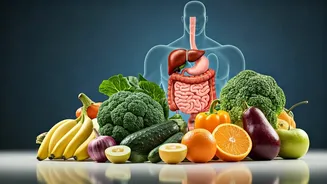
they often contain a limited number of lab-cultivated bacterial strains. Similarly, many commercial fermented foods like yogurt or kefir, while marketed as gut-friendly, may be pasteurized for shelf stability, a process that can kill the very live cultures you’re seeking. They can also contain added sugars, thickeners, and other additives that you might prefer to avoid. The fundamental difference lies in the approach: a supplement isolates a few specific microbes, while a fermented food offers a complex, living ecosystem.
A World of Microbes in Your Kitchen
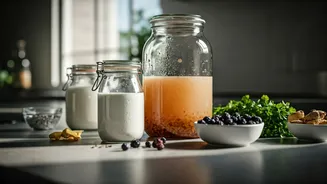
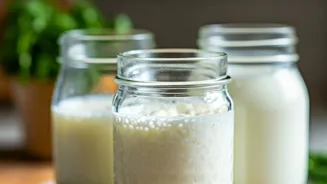
Here’s where home fermentation truly shines: microbial diversity. A batch of homemade milk kefir, for instance, can contain between 30 and 100 different strains of beneficial bacteria and yeasts, a far broader spectrum than the handful of strains typically found in store-bought versions. Think of it like a rainforest versus a tree plantation. A supplement might give you a large population of one or two types of trees, but a homemade ferment provides a thriving, diverse ecosystem of countless species working together. This rich diversity is believed to be key for building a resilient and robust gut microbiome. A 2021 study from Stanford researchers found that a diet rich in fermented foods increased microbial diversity and decreased inflammatory markers.
Unlocking Your Food’s Full Potential
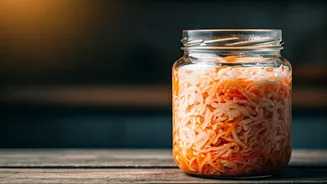
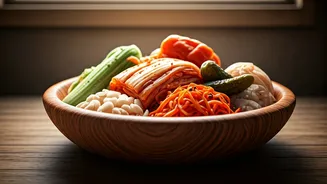
Fermentation is about more than just adding bacteria; it’s a transformative process that enhances the food itself. The microbes pre-digest the food, breaking down complex compounds into simpler, more easily absorbed forms. This process can also unlock nutrients, increasing the bioavailability of minerals like iron and zinc. Fermentation can reduce or eliminate anti-nutrients, such as phytic acid found in grains and legumes, which can otherwise block mineral absorption. Furthermore, the microbes involved can synthesize new vitamins, particularly B vitamins, enriching the nutritional profile of the original food. So, when you eat homemade sauerkraut, you’re not just getting probiotics—you’re getting more nutrition out of the cabbage itself.
The Cost, Creativity, and Connection Factor
Let’s talk about your wallet. A daily probiotic supplement or a bottle of commercial kefir can quickly add up. Home fermentation, on the other hand, is remarkably cost-effective. Once you have a starter culture—like kefir grains or a sourdough starter—it can be used indefinitely. Your main cost is the base ingredient, like milk for yogurt or cabbage for sauerkraut. Beyond the savings, there’s a deep satisfaction that comes from making something with your own hands. It’s a creative outlet that connects you to your food in a tangible way. You control the ingredients, the flavor, and the fermentation time, tailoring each batch to your personal taste.
Getting Started Safely and Simply
The idea of leaving food on the counter to ferment can seem intimidating, but it’s a process that is generally very safe. The lactic acid produced during fermentation creates an acidic environment that naturally prevents the growth of harmful pathogens. The keys to success are simple: start with clean equipment, use high-quality ingredients, and follow a reliable recipe from a trusted source like a university extension website. Using non-iodized salt is crucial for vegetable ferments, as the additives in table salt can inhibit the good bacteria. If you're nervous, start with something easy like milk kefir, which is known for being incredibly forgiving for beginners. Remember the golden rule of fermenting: if it looks or smells truly foul or has fuzzy mould, throw it out.