






A Symphony of Fear
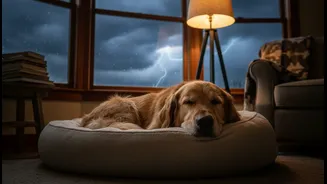
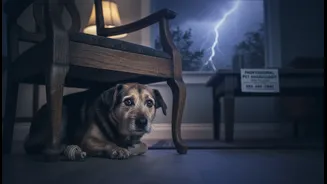
To a pet, a thunderstorm isn't just a bit of bad weather; it's a full-blown sensory assault. Their hearing is far more sensitive than ours, turning a distant rumble into a startling, unpredictable boom. Flashes of lightning can be disorienting. But it goes
beyond just sound and light. Many animals are acutely sensitive to changes in barometric pressure, allowing them to feel a storm approaching long before we can. Some experts also believe that the static electricity buildup in the atmosphere can be uncomfortable, even creating tiny, unpleasant shocks on their fur and sensitive noses. Hiding is not an act of disobedience; it's a primal instinct to seek shelter from what feels like a very real threat.
Why Punishment Is Counterproductive
When your pet is already terrified, scolding or dragging them out of their hiding spot achieves the opposite of what you intend. Punishment doesn't reduce fear; it amplifies it. Instead of learning to be brave, your pet learns that the scary event (the storm) is now accompanied by another negative experience (your anger). This can seriously damage the bond of trust between you. The pet may come to associate your presence with stress, leading to generalized anxiety. In effect, punishing a hiding animal teaches them one thing: that the person they rely on for safety becomes another source of fear when they are at their most vulnerable.
Create a Comforting Den
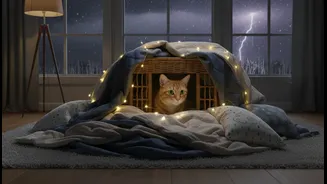
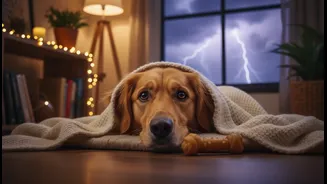
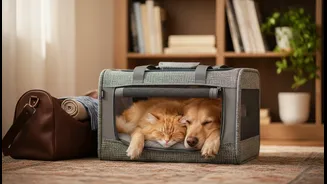
Instead of punishing the instinct to hide, work with it. Allow your pet to retreat to their safe space, or help them create one. An ideal spot is a small, enclosed area where sounds are muffled and light is dim, like a closet, a bathroom, or a basement. You can make this 'den' more inviting by placing their favourite bed, blankets, and a familiar toy inside. An item of your clothing can also offer comfort through your scent. If your pet is crate-trained, their crate can be an excellent sanctuary; just be sure to leave the door open so they don't feel trapped. The goal is to give them a secure base they can retreat to voluntarily.
Your Role: Stay Calm and Offer Support
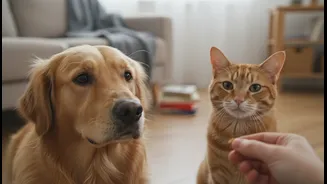
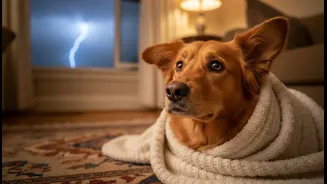
Pets are incredibly attuned to our emotions. If you're anxious or frustrated, they will pick up on it, which can escalate their own stress. The most important thing you can do is remain calm and speak in a soothing voice. Contrary to old advice, comforting a scared pet does not 'reward' or reinforce the fear. Fear is an emotion, not a trained behaviour. Providing reassurance can actually lower their stress levels and help them cope. You can also try distracting them with a quiet game or a puzzle toy filled with treats to create a more positive association with storm time.
When to Consider Extra Help
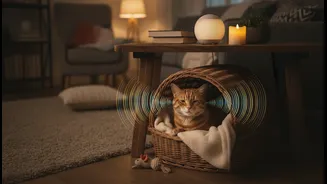
For some pets, storm phobia can be severe and may worsen over time without intervention. If your pet's anxiety is extreme, leading to destructive behaviour or self-harm, it's time to seek professional advice. Products like anxiety vests or wraps, which apply gentle, constant pressure, can have a calming effect for some animals. Pheromone diffusers mimic calming animal scents and can also help reduce stress. For severe cases, your veterinarian may suggest anti-anxiety medication to be used before a storm is expected. A vet or a certified animal behaviorist can help you create a tailored plan to manage your pet’s fear safely and effectively.