







The Golden Healer: Turmeric (Haldi)
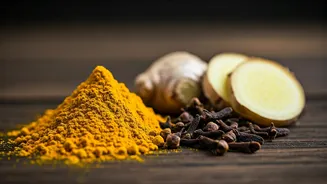
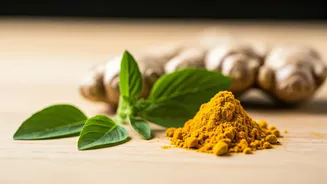
No Indian kitchen is complete without turmeric, and for good reason. This vibrant yellow spice is a wellness powerhouse, primarily due to its active compound, curcumin. Famous for its potent anti-inflammatory and antioxidant properties, haldi is your
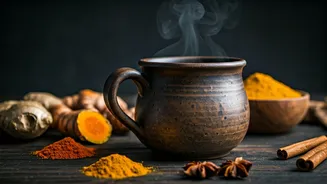
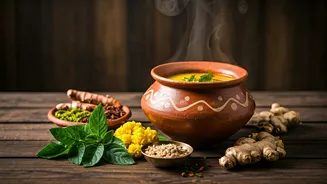
first line of defence against monsoon-related infections. It helps soothe sore throats, reduce inflammation in the body, and bolster the immune system against common colds and flu. A warm glass of 'haldi doodh' (turmeric milk) before bed is a classic, comforting remedy that has been passed down through generations. It helps promote restful sleep while its healing properties get to work overnight. You can also add a pinch to your soups and dals to effortlessly incorporate its benefits into your daily meals.
The Fiery Root: Ginger (Adrak)
The sharp, aromatic flavour of ginger is indispensable in Indian cuisine, especially during the rains. Its main bioactive compound, gingerol, is responsible for many of its medicinal properties, including its ability to fight germs and reduce nausea. Adrak is a fantastic natural remedy for monsoon-induced digestive problems, which are common due to higher humidity and water contamination risks. It stimulates digestion and can help settle an upset stomach. Furthermore, its anti-inflammatory and antiviral properties make it a go-to for battling coughs and colds. A steaming cup of adrak chai is not just a ritual; it's a therapeutic brew that can clear congestion and provide instant relief from a scratchy throat. For a stronger dose, try a simple concoction of grated ginger, honey, and lemon juice.
The King of Spices: Black Pepper (Kali Mirch)
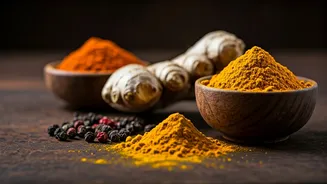
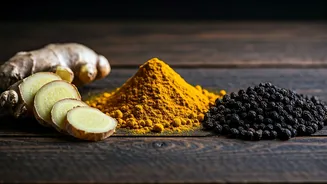
Often seen as turmeric's trusted sidekick, black pepper does more than just add heat. Its key component, piperine, dramatically increases the body's ability to absorb curcumin from turmeric—by up to 2,000%! But kali mirch is a hero in its own right. It has antibacterial and expectorant properties, making it excellent for clearing chest congestion and relieving coughs. It stimulates the taste buds, which in turn signals the stomach to increase hydrochloric acid secretion, improving digestion. During the monsoon, when your metabolism can feel sluggish, adding a dash of freshly ground black pepper to your food not only enhances flavour but also gives your digestive system a much-needed kickstart. It's a key ingredient in traditional 'kadhas' or herbal decoctions for a reason.
The Fragrant Bud: Cloves (Laung)
These small, dark-brown flower buds pack an incredible aromatic and medicinal punch. Cloves are rich in eugenol, a compound with powerful antiseptic, anesthetic, and antimicrobial properties. This is why chewing on a single clove is a timeless home remedy for soothing a toothache or a persistent cough. Its germ-fighting ability makes it a valuable addition to your monsoon wellness toolkit, helping to protect against throat infections and oral bacteria. You can add a couple of cloves to your daily chai or boil them in water to create a fragrant, antiseptic gargle for a sore throat. Their warming nature also helps combat the damp chill that often accompanies the rainy season, making you feel comfortable from the inside out.
The Warming Bark: Cinnamon (Dalchini)
Sweet, woody, and wonderfully fragrant, cinnamon is more than just a flavouring for desserts. It is loaded with powerful antioxidants and has notable anti-inflammatory and antibacterial properties. This makes it particularly useful during the monsoon for fending off infections. Cinnamon is also known to help regulate blood sugar levels, which can prevent energy slumps and keep your metabolism stable. Its warming effect is perfect for countering the 'kapha' imbalance that Ayurveda associates with the wet, cold season. A simple way to enjoy its benefits is to add a cinnamon stick to your tea or coffee, or sprinkle some powder over your morning oats or fruit salad. This simple act can help fortify your body's defences and keep you feeling warm and energised.