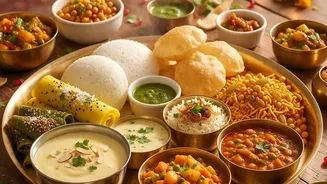







The Soul of the Coast: Coconut
It is impossible to imagine Konkani cooking without coconut. It is not merely an ingredient but the very foundation of the cuisine. Freshly grated coconut, coconut milk, and coconut oil are used generously, lending a characteristic creaminess and subtle
sweetness that defines many dishes. From rich gravies known as 'ambats' to simpler vegetable preparations called 'upkaris', coconut provides a luscious base that coats the palate. Dishes like 'valval', a gentle vegetable stew cooked in coconut milk, showcase how this single ingredient can create a dish that is both comforting and deeply flavorful without being overpowering. This reliance on the abundant coastal bounty is a primary reason for its enduring appeal.
The Essential Tang and Balance
What prevents the rich coconut base from becoming monotonous is the masterful use of souring agents. The star here is kokum, the dried rind of a fruit native to the Western Ghats. Used instead of tamarind in many preparations, kokum provides a unique, slightly floral tang and a beautiful rosy hue to dishes. It's the key ingredient in 'sol kadhi', a quintessential Konkani digestive drink made with coconut milk and kokum that perfectly complements a meal. Beyond kokum, tamarind and raw mango are also used to cut through the richness, creating a complex layering of flavors that is a hallmark of the cuisine. Jaggery is often added in small amounts, not just for sweetness, but to balance the sour and spicy notes, achieving a perfect harmony.
A Symphony of Spices
While coconut provides the body and kokum the tang, the cuisine's soul lies in its aromatic spices. The masalas are often simple, allowing the main ingredients to shine. Essential spices include dried red chillies, coriander seeds, turmeric, and asafoetida. However, what truly sets it apart are unique regional spices like 'tirphal' or 'teppal'. A cousin of the Sichuan peppercorn, tirphal imparts a distinctive woody, lemony aroma and a mild tingling sensation, adding a layer of complexity to gravies and vegetable dishes like 'khatkhate', a mixed vegetable stew. The spice blends, often prepared as a wet paste or 'vatan' with coconut, are tailored to each dish, demonstrating a nuanced understanding of flavour.
Rooted in Simplicity and Seasonality
At its heart, Konkani vegetarian cooking, particularly within the Goud Saraswat Brahmin (GSB) community, is about celebrating fresh, seasonal produce. The cuisine relies heavily on what is grown in local backyards, from gourds and pumpkins to leafy greens and raw jackfruit. Many dishes follow Sattvic principles, often omitting onion and garlic to create food that is considered pure and balancing. Simple cooking methods like steaming and stir-frying are common. 'Upkaris', for instance, are simple stir-fries with minimal spicing and a garnish of fresh coconut, allowing the natural taste of the vegetables to dominate. This philosophy of using fresh, local ingredients with uncomplicated techniques ensures the food remains light, digestible, and deeply connected to its environment.