






To Catch the 'Small Spends' Leaks
A ₹20 chai, a ₹50 auto ride, a ₹100 snack—individually, these payments feel like nothing. But hundreds of such small, frictionless transactions can silently drain your monthly allowance. [7] When you don't 'feel' the cash leaving your wallet, your brain
dismisses the expense as insignificant. [7] A 2025 NPCI survey found that students under 25 can make over 300 UPI payments a month. [2] Reviewing your history makes this invisible spending visible. You might be shocked to find that your daily canteen visits or frequent food delivery orders add up to a significant chunk of your budget, prompting a change in habit. [16] This awareness is the first step toward controlling your money, not letting it control you. [7]
To Spot and Stop Scams Early
Students are often seen as easy targets for online fraud. Scammers use various tactics like fake QR codes, phishing links sent via SMS or email, and fake payment requests disguised as refunds. [4, 5] These scams trick you into authorising a payment or revealing your UPI PIN. [11] Other sophisticated frauds include SIM swapping, where fraudsters get a duplicate SIM to intercept your OTPs, or remote access scams where they trick you into installing screen-sharing apps to gain control of your device. [4, 5] Regularly reviewing your transaction list helps you spot unauthorised debits immediately. The sooner you identify a fraudulent transaction, the quicker you can report it to your bank and the cyber police, increasing the chances of recovery and preventing further losses. [13]
To Make Budgeting a Reality
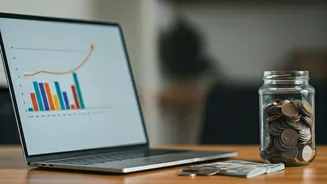
Every student knows they *should* budget, but many find it overwhelming. Reviewing your UPI history is the simplest way to start. It gives you a detailed, real-world record of exactly where your money is going. [3] Many budgeting apps can even connect to your transaction alerts to automatically categorise your spending into buckets like 'Food', 'Travel', 'Education', and 'Entertainment'. [2, 10] This data allows you to apply popular frameworks like the 50/30/20 rule (50% for needs, 30% for wants, 20% for savings) with actual numbers. [9] Seeing a clear breakdown of your habits makes it easier to set realistic financial goals and adjust your spending. [18]
To Uncover 'Subscription Creep'
Many students sign up for free trials of OTT platforms, music apps, or online tools and forget to cancel before the subscription fee kicks in. These recurring payments are often small enough to go unnoticed each month, but they add up. This is known as 'subscription creep'. Regularly scanning your UPI transaction history, especially auto-pay mandates, allows you to identify services you no longer use or need. [9, 20] Auditing your subscriptions is a quick way to cut unnecessary recurring expenses and free up cash for things that truly matter. [8]
To Identify and Resolve Errors
Digital payments are efficient but not infallible. Transactions can fail, but the amount might still get debited from your account. Sometimes you might be double-charged for a single purchase or a payment fails without a clear reason. [23] Your UPI transaction history serves as the primary proof when you need to resolve these disputes with a merchant or your bank. [12] Having a clear record of the transaction ID, date, and amount makes the dispute resolution process smoother and faster. [12] Without this regular check, you might lose money to technical glitches without even realising it.
To Build a Strong Financial Foundation
The habits you build in college often last a lifetime. Learning to be mindful of your spending and regularly engaging with your finances are foundational skills for long-term wealth and security. [19] Getting into the rhythm of a weekly financial review—even for just five minutes—teaches discipline, self-control, and planning. [19] It shifts your relationship with money from a source of anxiety to a tool for achieving your goals. This simple habit is less about restriction and more about empowerment, setting you up for a future of financial confidence and stability.