
A New Water Map for the Moon
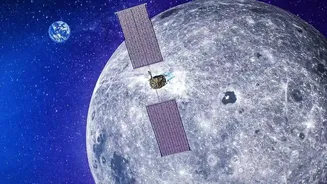
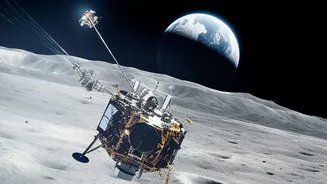
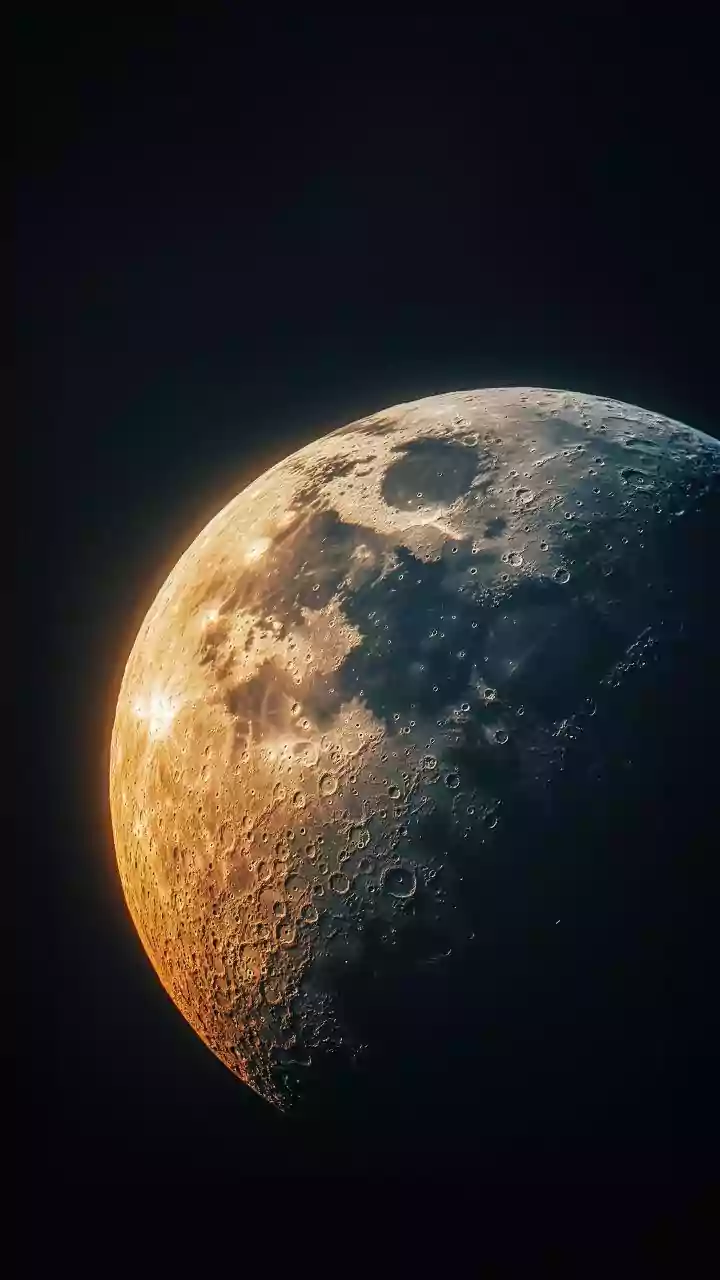
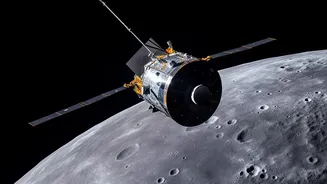
Humanity's return to the Moon hinges on finding resources, and the most valuable of all is water. Recent data from orbital missions, like NASA’s Lunar Trailblazer, are providing the most detailed maps yet of water ice deposits. These missions follow up
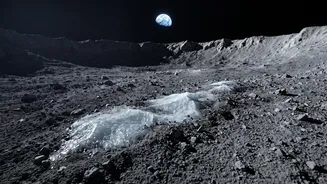
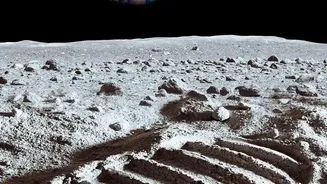
on earlier evidence from orbiters like the Lunar Reconnaissance Orbiter and India's Chandrayaan-1, which confirmed that the Moon wasn't the bone-dry world once believed. The latest infrared instruments are not just confirming the presence of water; they are revealing its form, concentration, and distribution with remarkable precision, showing that it exists not only in deep, permanently shadowed craters but also in smaller, more accessible pockets.
How Infrared Sees the Invisible
Detecting water from orbit might sound like magic, but it’s a clever application of physics. Instruments called infrared spectrometers are used to analyze the light reflecting off the lunar surface. Every material has a unique spectral 'fingerprint'—it absorbs and reflects light in specific patterns. Water ice molecules, in particular, absorb infrared light at very distinct wavelengths. When an orbiting sensor detects that specific signature of light missing from the lunar reflection, it’s a telltale sign of H2O. By scanning the surface, missions can build a comprehensive map showing exactly where these water ice deposits are concentrated, even if they are just a thin layer mixed with lunar soil, or regolith.
Not Just for Drinking
The discovery of accessible water ice is a game-changer for more than just quenching an astronaut's thirst. The true value of lunar water lies in its chemical components: hydrogen and oxygen. Using electricity generated by solar panels, future lunar inhabitants could split water molecules (H2O) into their constituent elements. Oxygen would provide breathable air for habitats, while both hydrogen and oxygen are the primary components of powerful rocket propellant. This process, known as in-situ resource utilization (ISRU), could effectively turn the Moon into a refueling station for deep-space missions, dramatically lowering the cost and increasing the feasibility of traveling to Mars and beyond. A lunar base would no longer be just a destination but a critical stepping stone to the rest of the solar system.
Location, Location, Location
For years, scientists believed significant water ice was confined to the extremely cold, permanently shadowed craters at the lunar poles, where sunlight has never reached. While these regions hold vast reserves, they are also incredibly difficult and dangerous to access. The latest infrared maps are revealing that water may be more widespread, trapped in smaller 'micro cold traps' or even bound to minerals in sunlit areas. This information is vital for NASA's Artemis program, which aims to establish a long-term human presence on the Moon. Knowing exactly where the most accessible, high-concentration water deposits are located will be the deciding factor in choosing the ultimate landing and construction sites for the first sustainable lunar base.
From Maps to Mining
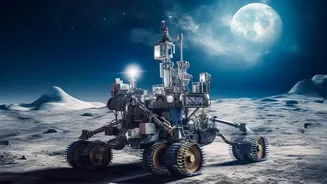
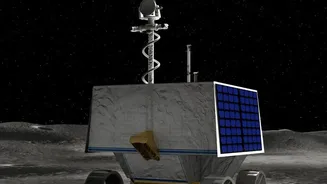
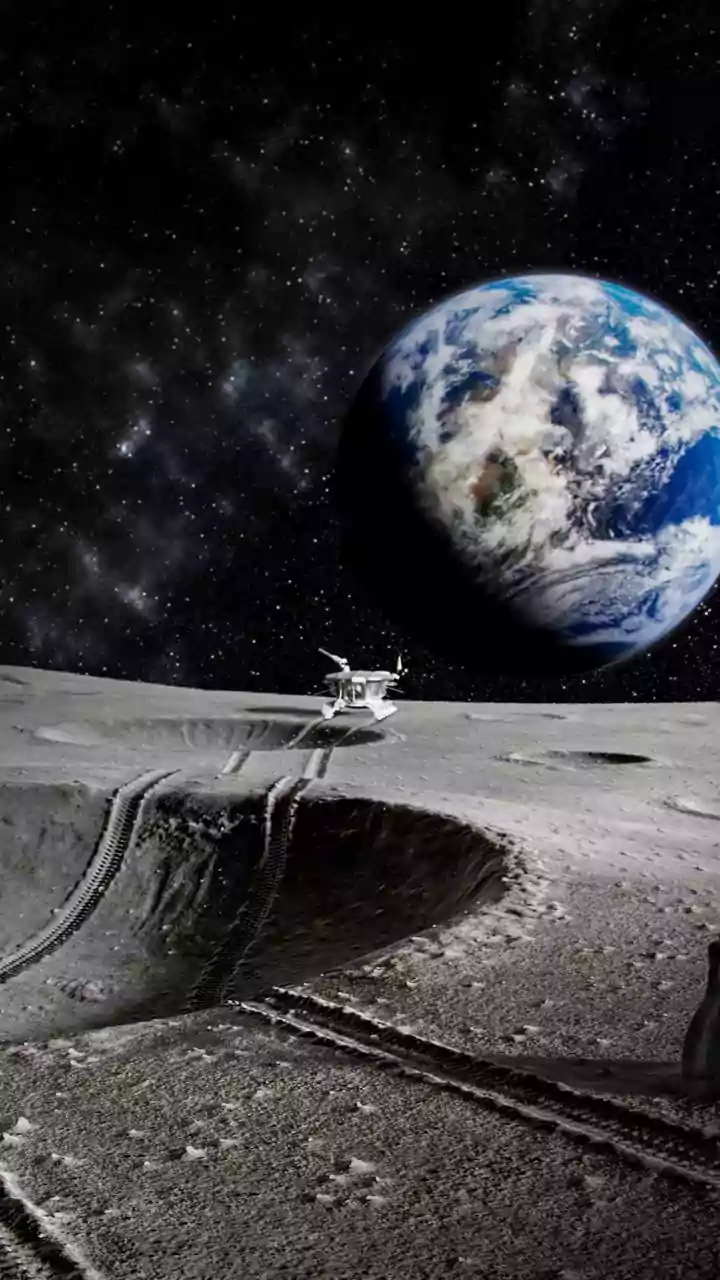
These orbital maps are the treasure maps; the next step is to send in the prospectors. NASA’s VIPER (Volatiles Investigating Polar Exploration Rover) is designed to do just that. This golf-cart-sized rover will navigate the lunar South Pole, using a drill and onboard spectrometers to analyze the ice on the ground. It will confirm the findings from orbit, measure the purity of the ice, and help scientists understand its physical state—is it mixed in fine grains with the soil or are there larger, purer chunks? The data gathered by VIPER and subsequent missions will provide the final pieces of the puzzle needed to design the mining and extraction equipment for a future lunar outpost, transforming theoretical resources into practical assets for a new generation of explorers.