





The Awkward Table for One
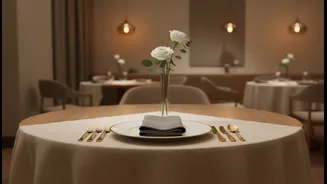
For many solo diners, the experience begins with a subtle slight. It’s the table near the kitchen door, the cramped corner by the noisy bar, or the seat facing a blank wall. This isn't just bad luck; it's often a business calculation. Restaurants aim
to maximise revenue per seat, and a single person at a table for two can be seen as a lost opportunity. This logic, however, is becoming increasingly outdated. In a culture where dining has historically been a communal affair, the very act of eating alone can feel like a statement. To be met with indifference or a poor seating arrangement only adds to the discomfort, turning a potential pleasure into a moment of self-consciousness. While some staff may be uncomfortable, unsure how to approach a lone customer, this overlooks a simple truth: a paying customer is a paying customer, regardless of party size.
The Portion Size Predicament
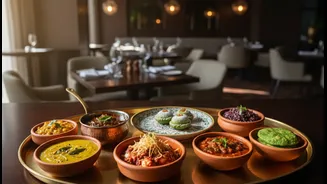
Once seated, the next challenge arrives with the menu. Most restaurant menus in India are designed for sharing. Main courses are often served in generous portions meant for two or more, leaving the solo diner in a bind. Do you over-order and waste food, or stick to a single appetiser and miss out on the full culinary experience? This is a significant frustration, especially in fine dining establishments where exploring the menu is part of the appeal. While thalis and combo meals offer a solution in some casual settings, the broader industry has been slow to adapt. The call for half-portions or specially designed solo tasting menus isn't about eating less; it's about experiencing more variety without the guilt of waste or the feeling of being penalised for dining alone.
An Evolving Culture of 'Me-Time'
The rise of solo dining is not just a passing trend; it reflects a deeper cultural shift in India. What was once seen with pity or suspicion is now becoming a statement of independence and self-care. Driven by millennials and Gen Z, and embraced by people of all ages, choosing to spend time alone is no longer viewed as loneliness but as an intentional act. This shift is powered by flexible work hours, rising disposable incomes, and the normalisation of solitude through social media, where a solo meal can be an aspirational post. From business travellers to young professionals and new mothers reclaiming their identity, people are carving out moments for themselves, and a meal out is a perfect way to do it. This is India's 'solo consumption economy' in action, where individual choice is gaining prominence.
A Missed Business Opportunity
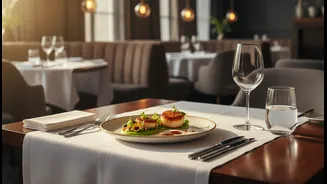
Restaurants that fail to cater to this demographic are missing a significant business opportunity. Far from being less profitable, solo diners can be a restaurant's most loyal customers. Data suggests they often spend more per person than those in groups, as their choices are driven by personal craving rather than consensus. They also provide a reliable revenue stream, particularly during off-peak hours. Some forward-thinking establishments are already adapting. They are redesigning floor plans to include counter seating, communal tables, and cosy nooks that feel integrated yet private. Chefs are creating solo-friendly prix fixe menus and smaller plates, ensuring that a meal for one feels just as complete and special as a meal for four. This isn’t about charity; it's about smart business and good hospitality.