




Why Fibre Is Your Heart's Best Friend
Dietary fibre, a type of carbohydrate found in plants, is essential for more than just digestive health. It plays a crucial role in maintaining a healthy heart. There are two main types: soluble and insoluble. Soluble fibre, found in oats, beans, and fruits
like apples, dissolves in water to form a gel-like substance. This gel can bind to cholesterol particles in your digestive system, preventing them from being absorbed into your bloodstream and helping to lower 'bad' LDL cholesterol levels. Insoluble fibre, found in whole grains and vegetables, adds bulk and helps food pass more smoothly through your system. Together, they contribute to better blood pressure, improved blood sugar control, and reduced inflammation, all of which are vital for long-term cardiovascular health.
Stocking Your Pantry with Indian Fibre Stars
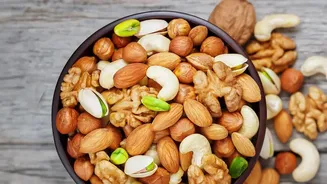
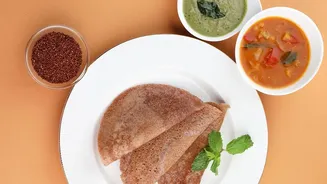
You don't need to look for exotic ingredients to boost your fibre intake. Many staples of the Indian kitchen are naturally packed with it. Whole grains like millets (jowar, ragi, bajra) and oats are excellent sources. Legumes and pulses, including moong, masoor, and chickpeas (chana), are fibre and protein powerhouses. When it comes to fruits, guava, apples, and bananas are fantastic choices. Vegetables like carrots, spinach, and okra (bhindi) also contribute significantly. And let's not forget nuts and seeds, such as almonds, walnuts, and flaxseeds, which provide a crunchy, fibrous punch to any meal or snack.
Recipe 1: Three-Step Sprouted Moong Chaat
This no-cook snack is refreshing, packed with protein, and brimming with fibre from the sprouts. Moong dal sprouts are a nutritional powerhouse, and turning them into a chaat takes just minutes. Step 1: The Base. In a large bowl, take one to two cups of fresh sprouted moong beans. If you prefer them softer, you can steam them for a couple of minutes and let them cool. Step 2: The Crunch and Spice. Add finely chopped onion, tomato, and a little green chilli. Sprinkle with chaat masala, a pinch of red chilli powder, and salt to taste. Step 3: The Finish. Squeeze a generous amount of lemon juice over the mixture and toss everything together. Garnish with fresh, chopped coriander leaves and serve immediately for the best texture.
Recipe 2: Three-Step No-Sugar Oats and Nut Ladoo
For a healthy sweet treat, these energy balls are perfect. They get their fibre from oats and nuts, and natural sweetness from dates, with no added sugar required. Step 1: Roast and Grind. Dry roast one cup of rolled oats in a pan for about five minutes until aromatic, then set aside to cool. In the same pan, lightly roast a cup of mixed nuts like almonds and walnuts. Once cool, grind the oats and nuts into a coarse powder. Step 2: Create the Binder. In a grinder, blend about one cup of pitted, soft dates into a sticky paste. You can add a splash of water if needed to help it blend smoothly. Step 3: Mix and Roll. In a bowl, combine the oat-nut powder with the date paste. Add a pinch of cardamom powder for flavour if you like. Mix thoroughly with your hands until it forms a dough-like consistency, then roll into small ladoos.
Recipe 3: Three-Step Roasted Masala Makhana
Makhana, or fox nuts, are light, crunchy, and a good source of fibre. This simple recipe transforms them into a savoury, addictive snack that's far healthier than fried alternatives. Step 1: The Roasting. In a large pan or kadai, dry roast two cups of makhana on low heat for about 7-10 minutes. Stir frequently until they are crisp. To check, take one and press it; it should crumble easily. Step 2: The Seasoning. Turn off the heat. Add about a teaspoon of ghee or coconut oil to the hot pan and toss the makhana to coat them. Immediately sprinkle your spices: salt, a pinch of turmeric, and chaat masala or black pepper. Step 3: Toss and Serve. Mix everything well to ensure the spices evenly coat the makhana. Let them cool for a few minutes, as they will become crunchier. Enjoy them warm or store in an airtight container.