






The ‘Health Halo’ Trap
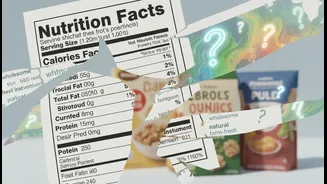
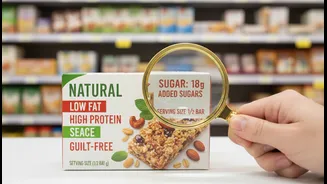
Food marketers are experts at making products feel virtuous. They use inviting words like 'organic', 'gluten-free', 'natural', and 'high-protein' to create a 'health halo'. This is a psychological effect where a single positive claim makes us believe
the entire product is healthy. We overestimate its benefits and might not even bother to check the nutrition label. This can lead us to consume more of a product than we otherwise would, thinking it's completely guilt-free. Recent actions by India's food regulator, FSSAI, have highlighted how widespread these misleading claims can be, with notices sent to brands for using terms like 'healthy' or 'natural' without sufficient proof.
Common Culprits in Disguise
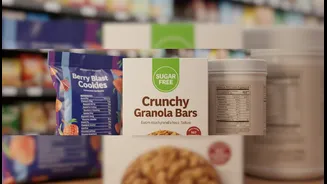
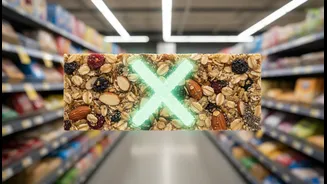
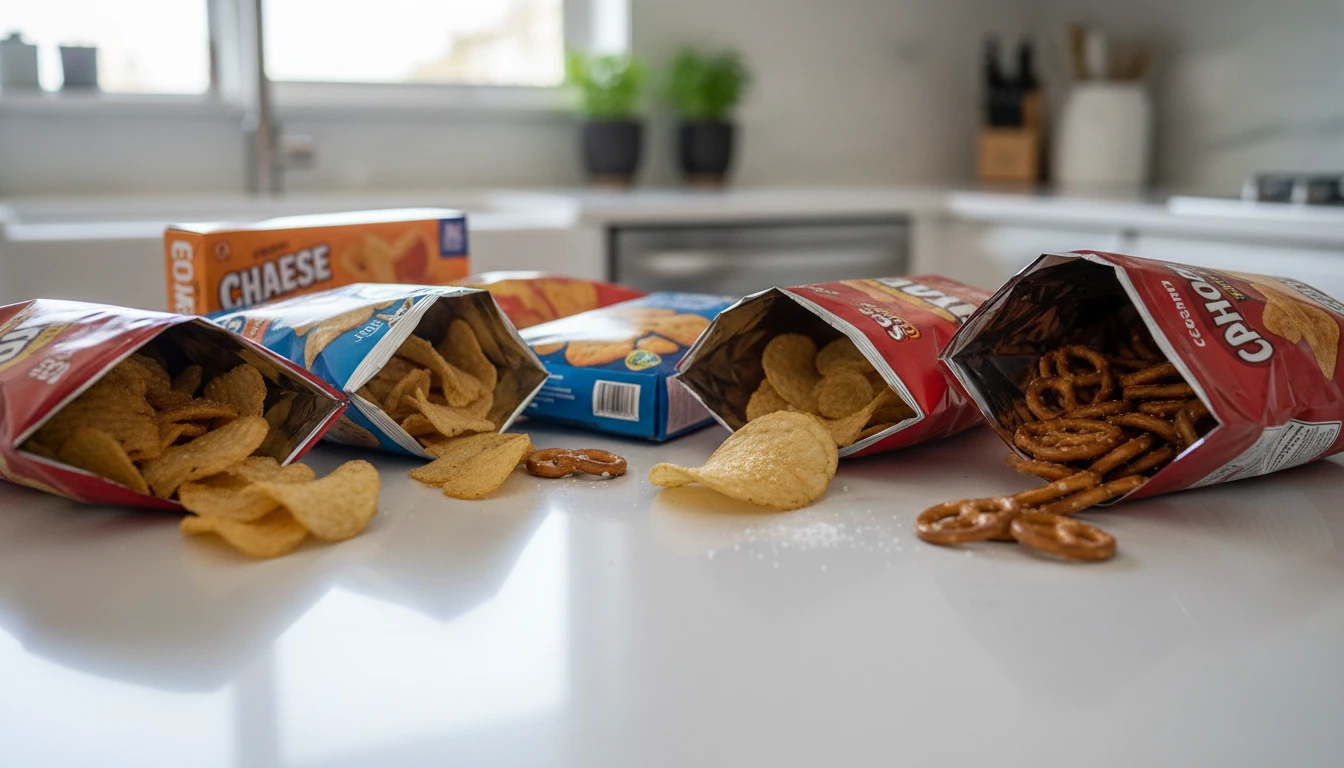
Many snacks that have a reputation for being healthy are often loaded with sugar and salt. Granola bars and protein bars, for instance, can contain as much sugar as a chocolate bar, despite being marketed as fitness fuel. Flavoured yoghurts, breakfast cereals, and instant oatmeal are other common offenders where sweetness is often ramped up. Even savoury items aren't safe. Packaged soups, sauces, and 'baked' chips can contain staggering amounts of sodium. Packaged fruit juices, even those claiming 'no added sugar', can have high concentrations of natural sugars from fruit concentrate. A recent FSSAI flag on a popular juice brand showed that while it claimed no sugar was added, the ingredients were 51% mango pulp and 49% sugar cane juice, making it a high-sugar beverage.
Become a Food Label Detective
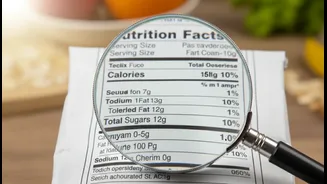
The only way to know for sure what's in your food is to 'flip the pack' and read the label. The Food Safety and Standards Authority of India (FSSAI) mandates that all packaged foods display this information. First, look at the ingredients list. It's organised in descending order by weight, so the first few ingredients make up most of the product. If sugar or salt is listed near the top, that's a red flag. Second, check the serving size. Manufacturers often set unrealistically small serving sizes to make the calorie, sugar, and salt content seem lower. A small packet of biscuits might contain three or four servings, so you need to multiply the nutritional values accordingly if you eat the whole thing.
Unmasking Hidden Sugar and Salt
Sugar is a master of disguise. There are at least 61 different names for it on food labels. Besides the obvious 'sugar', look for words ending in '-ose' like sucrose, fructose, dextrose, and maltose. Syrups like high-fructose corn syrup, maple syrup, rice syrup, and agave nectar are also just sugar. For salt, you need to look for 'sodium' on the nutrition panel. The World Health Organization (WHO) recommends adults consume less than 2,000 mg of sodium per day, which is equivalent to about 5 grams of salt (one teaspoon). Many processed foods, from bread to cheese to instant noodles, can quickly push you over this limit.
Smarter, Healthier Snacking
Making better choices doesn't mean you have to give up snacking. It's about making smart swaps. Instead of a granola bar, try a handful of mixed nuts and a piece of fruit. Choose plain curd or yogurt and add your own fresh fruit instead of buying pre-flavoured, sugary versions. For a crunchy, savoury fix, try roasted makhana (fox nuts) or roasted chana with spices instead of packaged chips. Other great options include sprouts chaat, homemade bhel puri with minimal sweet chutney, paneer tikka, or simple vegetable sticks with hummus. These whole-food snacks provide fibre, protein, and nutrients without the hidden sugar and salt found in many ultra-processed alternatives.