




The Sweet Collision of Worlds
Scroll through your Instagram feed, and you’re bound to see it: a slice of cheesecake that looks suspiciously like a gulab jamun, or a milky cake soaked in a saffron-cardamom elixir. This is the world of Indian fusion desserts, a creative movement that goes
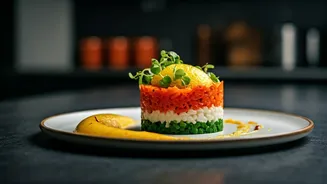
far beyond simply adding a modern topping to a traditional mithai. It’s a thoughtful deconstruction and reconstruction of classic flavours, textures, and techniques. Think of it as a conversation between a halwai and a Parisian pastry chef. The result is something entirely new—a dessert that feels both nostalgic and novel, comforting yet exciting. It’s the Motichoor Ladoo reimagined as a delicate parfait, or the familiar flavour of Thandai infused into a creamy panna cotta. This trend isn't just about mashing two things together; it’s about creating a third, distinct identity that honours both its parents.
Meet the Viral Superstars
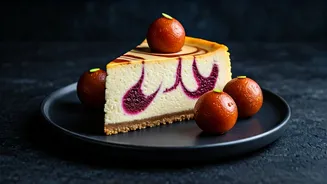
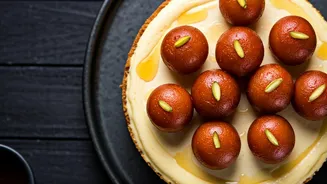
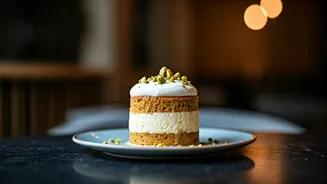
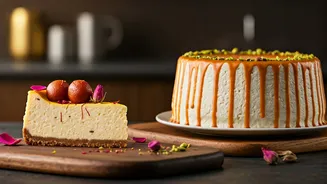
At the forefront of this trend are a few standout creations that have captured the imagination (and appetites) of foodies everywhere. The undisputed king is the Gulab Jamun Cheesecake. This dessert cleverly embeds soft, syrup-soaked gulab jamuns within a creamy, baked cheesecake, often set on a biscuit base made from crushed digestive or Parle-G biscuits. The contrast is brilliant: the dense, rich texture of the cheesecake cuts through the intense sweetness of the gulab jamun, creating a balanced and utterly indulgent experience. Another celebrity is the Rasmalai Tres Leches. The classic Mexican ‘three milks’ cake—a sponge soaked in evaporated milk, condensed milk, and heavy cream—gets an Indian makeover. Instead of plain milk, the sponge is drenched in the fragrant, saffron-and-cardamom-infused milk of rasmalai, then topped with whipped cream, pistachios, and delicate rose petals. It’s light, airy, and intensely flavourful, a perfect marriage of Latin American comfort food and Indian festive sweetness.
Why Is This Happening Now?
This sweet explosion is no accident. Several factors are fueling its rise. First and foremost is the visual appeal. In the age of social media, we eat with our eyes first, and these desserts are incredibly 'Instagrammable'. The vibrant colours, intricate plating, and surprising combinations make for content that’s guaranteed to get likes and shares. Trendy cafes and home bakers have been quick to capitalise on this, creating desserts that are as beautiful as they are delicious. Beyond aesthetics, there's a deeper cultural shift at play. A generation of young Indian chefs and food enthusiasts, exposed to global cuisines and techniques, are looking for ways to innovate while staying connected to their roots. They aren't rejecting traditional flavours; they're celebrating them in new and exciting formats. This fusion approach allows for endless creativity, offering a sense of novelty that diners, especially millennials and Gen Z, constantly seek. It’s a way of saying, “We love our heritage, but we’re not afraid to play with it.”
More Than Just a Sugar Rush
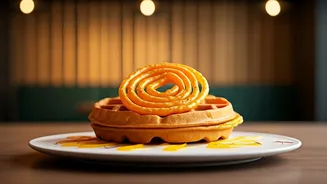
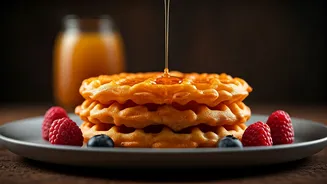
This trend speaks volumes about the confidence of modern Indian cuisine. For years, Indian food was often presented in very traditional, sometimes rigid, formats. This new wave of fusion desserts signifies a break from that, reflecting a culinary scene that is playful, experimental, and unapologetically global. It mirrors a broader change in Indian identity—one that is comfortable mixing local traditions with international influences. Furthermore, these desserts often solve a common complaint about Indian sweets: that they can be one-dimensionally sweet. By pairing a jalebi with a tangy rabri mousse or a gajar ka halwa with a spiced crumble topping, chefs are introducing new layers of texture and flavour—sour, bitter, crunchy, and creamy. This complexity appeals to a more developed palate that appreciates balance over sheer sweetness, making traditional flavours accessible to a wider audience, including those who might typically find mithai too overwhelming.