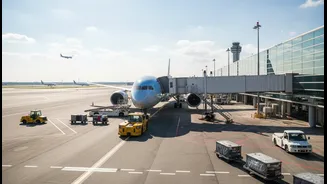




The Airline: Your Primary Contract
From the moment you purchase a ticket, you enter a contract with an airline. For most aspects of your journey, including ticketing, flight schedules, cancellations, and in-flight services, the airline is your primary point of contact and holds the ultimate
responsibility. Even when they hire other companies for services like baggage handling or catering, the airline is generally liable for the overall service you receive. This is reinforced by international agreements like the Montreal Convention, which holds airlines financially liable for delays, baggage issues, and passenger injury on most international flights. In India, the Directorate General of Civil Aviation (DGCA) sets out specific rules in its Passenger Charter, making airlines accountable for providing compensation, refunds, and care during disruptions.
At Check-In and Bag Drop: The Ground Handlers
When you arrive at the airport, your first major interaction is with ground staff at the check-in counter. These individuals may wear an airline's uniform, but they are often employees of a separate ground handling company hired by the airline. Their responsibilities include verifying documents, weighing and tagging your luggage, and issuing your boarding pass. Once your bag is tagged and disappears behind the curtain, it is officially in the care of the airline and its designated handlers. These agents are tasked with sorting luggage and loading it onto the correct aircraft. Any issues at this stage, from a wrongly printed bag tag to incorrect baggage weight charges, fall under the airline's responsibility to resolve.
Passing Through Security: The Airport and State
After check-in, responsibility temporarily shifts. Airport security is managed by government-appointed bodies, like the Central Industrial Security Force (CISF) in India or the TSA in the United States. Their sole mandate is security screening of passengers and their cabin baggage. These agencies are not concerned with your flight status or ticket details; they are part of the airport's infrastructure. The airport operator, in turn, is responsible for providing and maintaining the physical infrastructure of the screening area. If you have a complaint about the conduct of a security officer or the screening process, you would address it to that specific agency, not the airline.
At the Gate and Onboard: Back to the Airline
Once you are through security and in the departures lounge, responsibility for your journey reverts fully to the airline. The staff at the boarding gate manage the boarding process, handle last-minute seat changes, and provide updates on delays. Any delays caused by crew scheduling, late arrival of the inbound aircraft, or technical issues with the plane are the airline's fault. Onboard the aircraft, the captain and cabin crew have complete authority. They are responsible for your safety and for providing the in-flight service outlined in your ticket. For international flights, the Montreal Convention makes it clear that the airline is liable for passenger injury during the flight unless it can prove it took all reasonable measures to prevent it.
When Baggage is Delayed, Damaged, or Lost
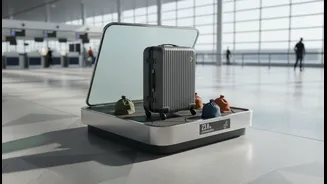
If your checked bag doesn't appear on the carousel, the responsibility lies squarely with the airline, not the airport. Specifically, you should file a report with the airline that operated your final flight, as they are responsible for getting the bag to your destination. The airport's role is simply to provide the physical space for baggage claim. The airline and its ground handling agents are responsible for the entire process of unloading, transporting, and delivering the bags. Under the Montreal Convention, airlines are liable for proven damages up to a certain limit for lost, delayed, or damaged baggage on international journeys. You must file a claim in writing within strict deadlines—typically seven days for damage and 21 days for lost luggage after it's declared missing.
Navigating Connections and Delays
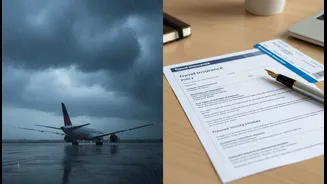
Flight connections can be the most confusing handover. If you booked a single journey with connecting flights (even on different airlines), the selling airline is generally responsible for ensuring you make your connection. However, if you booked two separate tickets yourself (a "self-connection"), you are usually responsible for any missed flights and for transferring your own baggage. When it comes to delays, the cause matters. Airlines are typically required to provide compensation or care (like meals and accommodation) for disruptions within their control, such as mechanical problems or crew issues. They are not, however, generally liable for delays caused by factors beyond their control, like severe weather or air traffic control directives.