





More Than Just a Food Walk
Forget the simple restaurant-hopping or quick street-side tasting. An experiential culinary tour is a curated journey designed to connect you with the soul of a place through its food. These are not just about what you eat, but why you eat it. Guided
by local storytellers, these walks blend food tasting with rich narratives about a neighbourhood’s history, its communities, and the generations-old traditions behind each dish. The goal is to move beyond the tourist trail and engage with a city’s living heritage, where a simple kebab or a cup of tea tells a story of migration, royalty, and trade.
Tasting History in Old Delhi
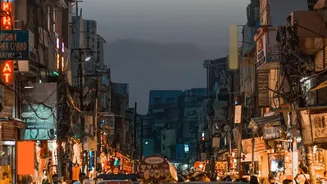
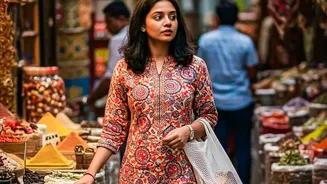
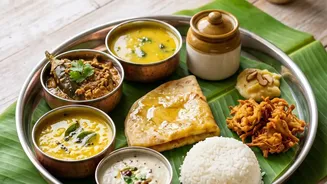
Nowhere is this more evident than in the maze-like lanes of Old Delhi. A food walk here is a lesson in Mughal history. You might start at a stall near the grand Jama Masjid, built by Shah Jahan, and sample kebabs from a recipe that has been perfected for centuries. A short walk away in Paranthe Wali Gali, you taste fried flatbreads from shops that have served prime ministers and celebrities, each filling telling a story of the diverse communities that settled here. These tours don't just point you to the best 'chole bhature'; they explain how the dish became a staple, connecting the flavours on your plate to the city's evolution.
The Voices Behind the Flavours
What makes these experiences truly special are the people. Tour leaders often take you to humble, family-run eateries that have been in business for over a hundred years. You're not just a customer; you're a guest. You hear stories from the vendors themselves—the third-generation sweet-maker in Kolkata explaining the art of 'sandesh' or the Lucknow chef sharing the secret behind his melt-in-the-mouth 'galouti' kebabs, a dish originally created for a toothless Nawab. This human connection transforms the act of eating into a memorable cultural exchange, fostering a deeper appreciation for the artisans who keep these traditions alive.
Kolkata’s Cultural Melting Pot
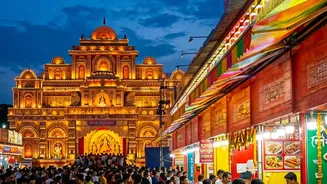
In Kolkata, a food tour is a journey through its colonial and immigrant past. You might taste 'telebhaja' (fritters) in a lane that was once a hub for freedom fighters, or have a kathi roll at the very place it was invented to serve busy British commuters. The city’s culinary landscape is a delicious mix of Bengali, Mughal, British, and Chinese influences. A well-guided tour helps you decode this fusion, explaining how a simple potato dish reflects Portuguese trade routes or how the city's famous 'adda' (intellectual chat) culture was brewed in its historic coffee houses. Every bite becomes a clue to understanding the city's cosmopolitan identity.
Preserving Heritage, One Dish at a Time
These culinary tours also play a crucial role in economic and cultural preservation. By bringing discerning visitors to smaller, historic establishments, they provide a vital source of income that helps these businesses thrive against the competition from modern fast-food chains. This focus on authentic, local cuisine encourages the preservation of regional recipes and cooking techniques that might otherwise be lost. It creates a sustainable tourism model where travellers get an authentic experience while directly supporting the local community and the heritage they are there to discover.