



The Lithium Bottleneck
For years, the electric vehicle revolution has been powered by lithium-ion batteries. They are energy-dense and relatively lightweight, making them ideal for high-performance cars. However, this reliance on lithium comes with significant drawbacks. Lithium
and other essential materials like cobalt and nickel are concentrated in a few countries, creating volatile supply chains and fluctuating prices. This has a direct impact on the final cost of an EV, keeping them out of reach for a large segment of the Indian market, particularly for the two and three-wheelers that dominate urban transport. Furthermore, while today's mainstream lithium iron phosphate (LFP) batteries are safer and cheaper than their nickel-based cousins, they still face challenges with performance in extreme temperatures and have practical limits on how much further their costs can fall.
A Salty Solution: The Rise of Sodium-Ion
Enter the sodium-ion battery, a technology that operates on principles very similar to lithium-ion but with a crucial difference. Instead of lithium, it uses sodium—an element over 1,000 times more abundant on Earth, readily available in common salt. This abundance drastically cuts down material costs and reduces geopolitical supply chain risks. While sodium-ion technology has been developing for decades, recent advancements have pushed it into the commercial spotlight. Major manufacturers like CATL and BYD are now in mass production, with cells achieving energy densities close to mainstream LFP batteries. For urban mobility, the advantages are compelling. Sodium-ion batteries perform exceptionally well in both cold and hot climates, a key benefit for India's diverse weather conditions. They are also inherently safer and can be made without conflict minerals. While they may not offer the extreme range of high-end lithium-ion packs, they are more than sufficient for city-based scooters, e-rickshaws, and budget passenger cars, where affordability and reliability are paramount.
Silicon's Supporting Role
The second part of the equation is silicon. While sodium-ion tackles the cost of the cathode (the positive electrode), silicon offers a major upgrade for the anode (the negative electrode). Traditionally, anodes are made of graphite. However, silicon can theoretically hold up to 10 times more energy than graphite, promising batteries that are significantly more energy-dense. This means a lighter battery or a longer range for the same size. The main challenge has been that silicon anodes swell and shrink dramatically during charging and discharging, causing them to degrade quickly. But recent breakthroughs in nanostructured silicon and composite materials are solving these stability issues, allowing for a longer cycle life. By adding small amounts of advanced silicon material to the anode, manufacturers can boost the performance of batteries—including both lithium-ion and potentially future sodium-ion chemistries—without a massive cost increase. This makes the entire battery pack more efficient.
The Perfect Match for India's Streets
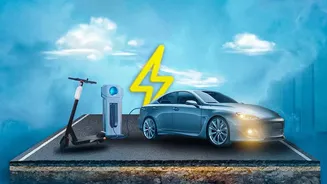
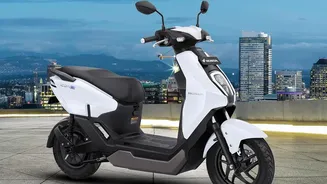
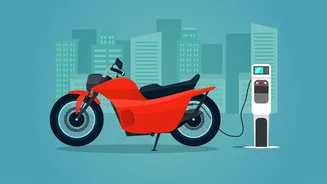
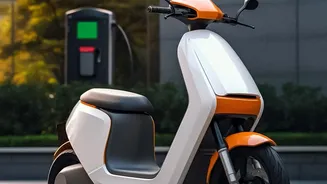
When you combine the cost-effectiveness of sodium-ion chemistry with the performance boost of silicon anodes, you get a battery solution that seems tailor-made for India's urban mobility needs. The high cost of batteries is a primary reason why e-rickshaws and some low-speed scooters still rely on heavy, short-lived lead-acid batteries. A switch to a sodium-ion platform would offer a longer lifespan, faster charging, and lower operational costs for fleet owners and individual drivers. For the massive two-wheeler market, this technology promises more affordable electric scooters and motorcycles that don’t compromise on safety or reliability. Global battery giants have already started rolling out sodium-ion powered vehicles in 2026, primarily targeting smaller cars and commercial fleets. As this technology scales up, the cost savings are expected to make budget-friendly EVs a widespread reality.
The Road Ahead: Timelines and Challenges
This transition won't happen overnight. While sodium-ion batteries are now in mass production, global output is still a fraction of lithium-ion's. Building out the manufacturing capacity and supply chains will take time and significant investment. Similarly, silicon anode technology is still more expensive than graphite in the short term, though costs are expected to fall as production scales. However, the momentum is undeniable. With major players committed to commercial-scale deployment starting in 2026, the technology is moving from the lab to the road at a rapid pace. The focus is currently on applications where cost is more critical than maximum range, such as stationary energy storage and affordable urban EVs—the exact segments poised for explosive growth in India.