
The End of Wardrobe Overhauls
For generations, managing clothing in India has been a tale of two or three distinct seasons: the sweltering summer, the damp monsoon, and for many, a brief, cool winter. This often meant a biannual chore of packing away entire sections of a wardrobe.
But that is changing. An increasing number of Indians are embracing a more fluid and intelligent approach to their closets, driven by a mix of economic sense, a growing consciousness around sustainability, and the practical needs of modern life. The idea is no longer to have separate wardrobes but to build a core collection of high-quality, 'trans-seasonal' pieces that work hard all year. This shift is less about stark minimalism and more about maximising utility, reducing waste, and making getting dressed every day simpler and more stylish. It’s a move away from trend-led impulse buys and toward intentional, long-lasting style.
Why the Smarter Wardrobe Is Trending
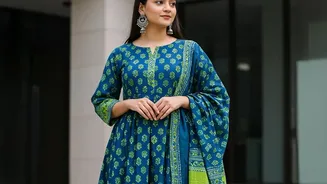
Several factors are fuelling this change. Firstly, there's a strong sustainability undercurrent. Consumers, particularly younger ones, are more aware of the environmental impact of fast fashion and are actively seeking ways to consume less and choose better. Secondly, the rise of fusion wear has blurred the lines between traditional and Western attire, creating garments that are inherently more versatile. A well-designed kurta, for instance, can be paired with jeans for a casual outing, palazzos for the office, or a heavy dupatta for a festive occasion. Thirdly, hybrid work models mean that wardrobes need to be more flexible, accommodating both air-conditioned offices and warm commutes. Comfort and practicality have become non-negotiable, and versatile pieces made from breathable fabrics fit this new reality perfectly.
The Foundation: Fabric First
The secret to a successful trans-seasonal wardrobe in India lies in the fabric. Given the country's predominantly hot and humid climate, breathable, natural materials are paramount. Cottons, especially varieties like mulmul and khadi, are foundational. They are comfortable in the heat and can be layered easily when the temperature drops. Linen is another excellent choice; it stands away from the skin and dries quickly, making it ideal for both summer and monsoon. For ethnic and occasion wear, cotton-silk blends, Chanderi, and lightweight silks offer a touch of elegance without the weight and heat of heavier brocades, making them wearable across different seasons and events. The focus is on quality materials that hold their shape and feel good against the skin, wash after wash.
Key Versatile Pieces to Own
Building this smarter wardrobe doesn't require a complete overhaul, but rather a focus on a few key items. A set of well-fitting kurtas in neutral and earthy tones can form the backbone of your collection. These can be dressed up or down with different bottoms and accessories. Wide-leg trousers or palazzos in fabrics like cotton or linen are comfortable for daily wear and look chic for semi-formal settings. A classic handloom saree is another workhorse; its look can be completely transformed with a different blouse or draping style. For layering, lightweight shrugs, cotton or denim jackets, and versatile scarves or dupattas are essential. A statement dupatta can instantly elevate a simple kurta set into a festive outfit. For men, breathable shirts, classic chinos, and a versatile Nehru jacket serve a similar purpose, transitioning smoothly from work to social events.
The Art of Layering and Accessorising
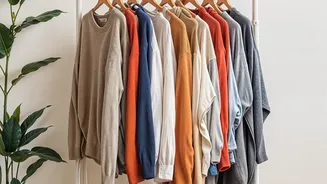
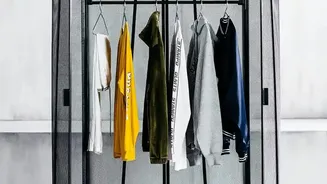
Layering is the technique that truly unlocks a wardrobe’s year-round potential. In cities with mild winters like Mumbai or Chennai, a simple cotton shirt can be worn under a light blazer for an office meeting or over a t-shirt for a casual look. In the colder climes of North India, the same shirt can serve as a base layer under a sweater and a jacket. The key is to use lightweight layers that can be added or removed as the day's temperature changes. Accessories also play a huge role. A simple cotton dress can be styled for a brunch with sandals and a tote, or for an evening out with statement jewellery and a dressier pair of heels. By changing accessories, a single outfit can be adapted for multiple occasions, extending its life and utility far beyond a single season.