
Flat-Leaf vs. Curly: Know Your Parsley
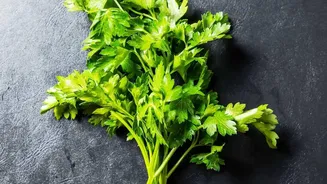
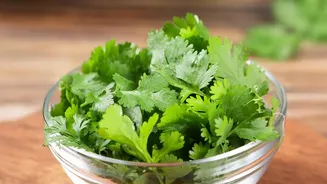
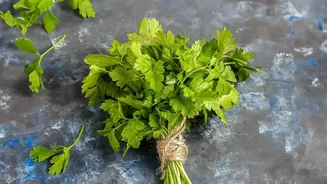
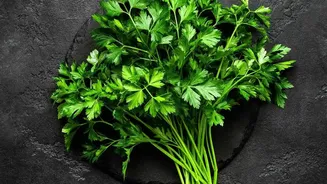
Before you start cooking, it helps to know the two main players. Flat-leaf parsley, also known as Italian parsley, has a robust, peppery flavour that holds up well in cooked dishes. Its smooth leaves are also easy to chop. Curly parsley has a milder,
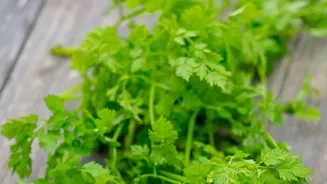
more 'green' or grassy taste and is visually distinct with its ruffled leaves. While often used as a garnish, its crunchy texture can be a welcome addition to salads and marinades. For most vegetable preparations where you want a distinct herby punch, flat-leaf is your best bet.
The Fresh Finish: A Sprinkle of Green
The easiest way to elevate any vegetable dish is with a generous sprinkle of finely chopped fresh parsley right before serving. This technique preserves the herb's bright, clean flavour and vibrant colour. It works beautifully with roasted root vegetables like carrots and potatoes, adding a fresh counterpoint to their earthy sweetness. Try tossing it through steamed green beans, grilled corn, or sautéed mushrooms. The key is to add it at the very end of the cooking process to maintain its freshness and avoid the leaves turning dark and losing their punch.
The Green Sauce Revolution
Parsley is the star of several classic green sauces that can transform simple vegetables. Gremolata, an Italian condiment, is a zesty mix of finely chopped parsley, lemon zest, and garlic. It's a perfect topping for roasted cauliflower, asparagus, or hearty bean stews. Similarly, Argentinian chimichurri, which blends parsley with oregano, garlic, vinegar, and oil, is a fantastic marinade or finishing sauce for grilled vegetables like bell peppers, onions, and eggplant. These uncooked sauces are quick to make and deliver an intense burst of flavour.
Infuse Flavour from the Start
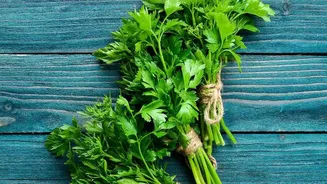
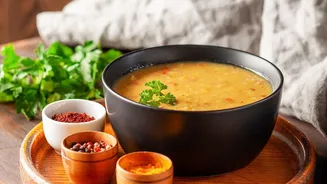
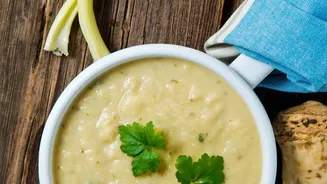
Don't discard those parsley stems. They are packed with flavour and are perfect for infusing liquids. Tie a bundle of stems together and add them to the pot when making vegetable stock, soups, or stews. They will release their aromatic oils during the simmering process, adding a subtle, herbaceous depth to the entire dish. Just remember to remove the bundle before serving. You can also finely chop the tender upper stems along with the leaves for a more intense flavour in cooked dishes.
Beyond the Side: Parsley as a Main Ingredient
In some dishes, parsley isn't just an accent; it's a core component. Middle Eastern tabbouleh salad, for example, uses heaps of finely chopped parsley mixed with bulgur, tomatoes, mint, and a lemon-oil dressing. You can also create a simple but elegant salad by tossing whole parsley leaves with thinly sliced onions, a squeeze of lemon juice, and a drizzle of good olive oil. This works as a refreshing side for richer vegetable preparations. Don't be afraid to let parsley be the star.
Stuffed, Baked, and Blended
Incorporating chopped parsley into fillings is another excellent way to use the herb. It brings freshness and flavour to vegetarian stuffings for bell peppers, mushrooms, or tomatoes. Mix it with breadcrumbs, cheese, garlic, and other vegetables for a flavourful and satisfying filling. Parsley can also be blended into vegetable-based dips and spreads. Add a large handful to a white bean dip or a yogurt-based dressing for a vibrant colour and a fresh, zesty kick that complements a platter of raw veggies.