


Chettinad: A Legacy of Spice
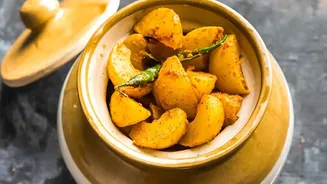
Perhaps the most famous of Tamil Nadu's regional cuisines, Chettinad food is a direct reflection of the Nattukottai Chettiars, a prosperous trading community. Their travels across Southeast Asia introduced a wealth of spices into their kitchens. A hallmark
of Chettinad cooking is the use of freshly ground masalas, a complex blend that can include star anise, cinnamon, cloves, peppercorn, and a unique spice called 'kalpasi' or stone flower. Dishes are famously fiery, but the heat is layered and aromatic, not just sharp. The cuisine features a variety of sun-dried meats and salted vegetables, a preservation technique born from the region's dry climate. Popular dishes like the iconic Chicken Chettinad are defined by this robust spice profile, offering a taste of a community whose history is intertwined with the global spice trade.
Kongunadu: The Taste of the Land
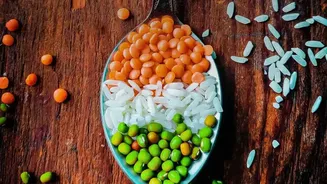
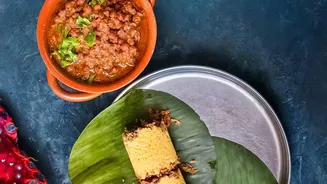
Hailing from the northwestern part of the state, Kongunadu cuisine is a celebration of its agricultural heartland. This region, encompassing areas like Coimbatore, Salem, and Erode, is known for its arid climate, which shapes its culinary identity. The food is generally less spicy than Chettinad fare, with an emphasis on fresh, local ingredients. Turmeric, for which Erode is a major market, is used generously, often fresh or roasted and ground. The cuisine also features extensive use of groundnuts, sesame seeds, and dry coconut, which add subtle richness and texture. A distinctive feature is that meats are often not marinated, allowing the natural flavour to shine through, enhanced by the simple but flavourful spices. Dishes like Arisi Paruppu Sadam (a one-pot rice and lentil dish) and Pallipalayam Chicken highlight a rustic, farm-to-table philosophy that has existed for centuries.
Nanjil Nadu: Where Two Worlds Meet
In the southernmost tip of India lies Nanjil Nadu, the region of Kanyakumari district. Its cuisine is a fascinating blend of Tamil and Keralite traditions, a legacy of the time it was part of the Travancore kingdom. Given its long coastline, seafood is a cornerstone of the diet. The influence of Kerala is evident in the liberal use of coconut, both as grated flakes and as oil, which gives the food a distinct flavour profile. Dishes here beautifully balance spice with sourness from tamarind. Signature preparations include the Nanjil Fish Curry and Theeyal, a dark, rich curry made with roasted coconut and spices. The food here tells a story of geographical proximity and cultural exchange, a delicious testament to the fluid borders of culinary heritage.
Arcot: A Royal Kitchen's Legacy
The cuisine of the Arcot region in northern Tamil Nadu carries the influence of the Nawabs of Arcot, who ruled in the 18th century. This heritage is most famously captured in the Arcot Biryani. Unlike the fragrant, long-grained Basmati biryanis of the north, Arcot biryani is typically made with Seeraga Samba, a short-grained local rice known for its ability to absorb flavours. The dish is a 'pucci' biryani, where the meat and rice are cooked separately before being layered and steamed. Its flavour profile is distinct, built on a base of yogurt and chillies rather than heavy perfumes like saffron or rose water. This royal dish, once confined to palace kitchens, spread throughout the region, creating a unique biryani tradition that stands apart from its Mughal and Hyderabadi counterparts.