





A Major Study on Taste and Health
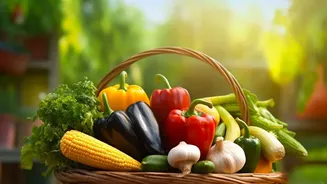
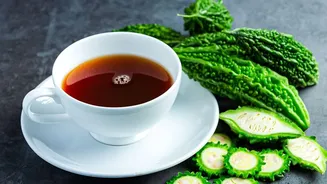
Scientists have long been fascinated by why some people recoil at the taste of bitter foods like broccoli, kale, and bitter gourd, while others seem unfazed. A landmark study leveraged the enormous UK Biobank, a database containing genetic and health
information from about half a million people, to investigate this question on an unprecedented scale. Researchers focused on a specific gene, TAS2R38, which is known to control how strongly we perceive bitterness. The goal was to see what connections, or associations, exist between having a 'supertaster' version of this gene, food preferences, and various health conditions. The findings were complex, linking the gene to preferences for certain foods and even showing associations with conditions like chronic kidney disease and bipolar disorder.
The Crucial Difference: Association vs. Causation
This is where the study’s most important lesson lies. The research found an association between the bitter-taste gene and certain health risks, but it does not prove causation. This is a critical distinction in all scientific research. An association, or correlation, simply means two things happen together. Causation means one thing directly causes the other. For example, ice cream sales and drowning incidents both increase in the summer. They are associated, but eating ice cream does not cause drowning. The hot weather is the hidden factor that causes both. In this study, having a gene that makes you hate bitter vegetables doesn't necessarily cause kidney problems directly. Instead, it’s more likely that people with this gene eat fewer vegetables, and a diet low in vegetables is associated with poorer health outcomes over time. Understanding this difference prevents us from drawing the wrong conclusions from headlines.
Your Genes on the Dinner Plate
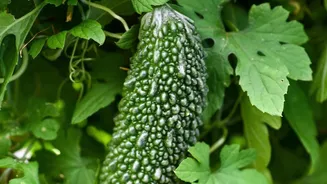
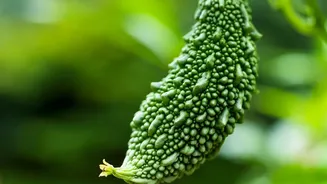
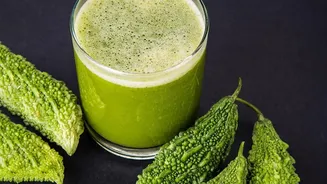
So why are some of us programmed to dislike bitter foods? It's largely thanks to the TAS2R38 gene. Humans have about 25 different genes for bitter taste receptors, likely an evolutionary defence mechanism to help our ancestors avoid poisonous plants, which are often bitter. The TAS2R38 gene comes in two main variants. People who inherit two copies of the 'taster' variant (known as PAV) are 'supertasters' who find the compounds in foods like brussels sprouts and grapefruit intensely bitter. Those with two copies of the 'non-taster' variant (AVI) barely notice the bitterness. Many people have one of each and fall somewhere in the middle. So, if you find karela or rocket leaves unbearably pungent, it's not a personal failing—it's your genetic inheritance at work.
What This Means for Your Health
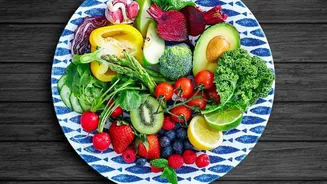
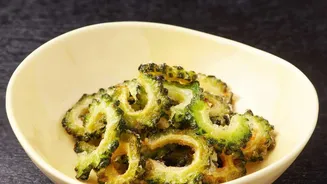
The practical takeaway from this research is not to force-feed yourself foods you genuinely detest. Rather, it’s about awareness. If you know you have a strong aversion to bitter greens, it’s a good reminder to find other ways to ensure your diet is rich in vegetables and fibre. You might explore different cooking methods that can reduce bitterness, such as roasting or stir-frying with strong, complementary flavours. You can also focus on consuming a wide variety of vegetables that don't fall into the bitter category. The study reinforces a fundamental principle of nutrition: a balanced and varied diet is more important than fixating on or avoiding any single food. It also empowers us to be smarter consumers of health news, reminding us to look past the headline and ask whether a study is showing a simple link or a true cause-and-effect relationship.