

From Plate to Post
Not long ago, the success of a dish was measured by its aroma and flavour. The visual appeal was often a natural result of colourful ingredients like turmeric, chilli, and spinach. Today, however, the journey of a dish often begins with a different goal:
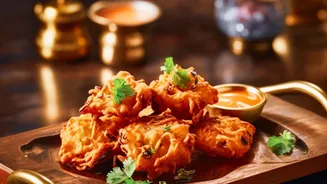
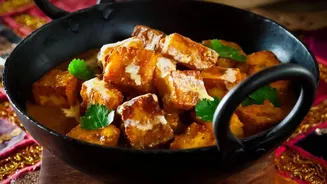
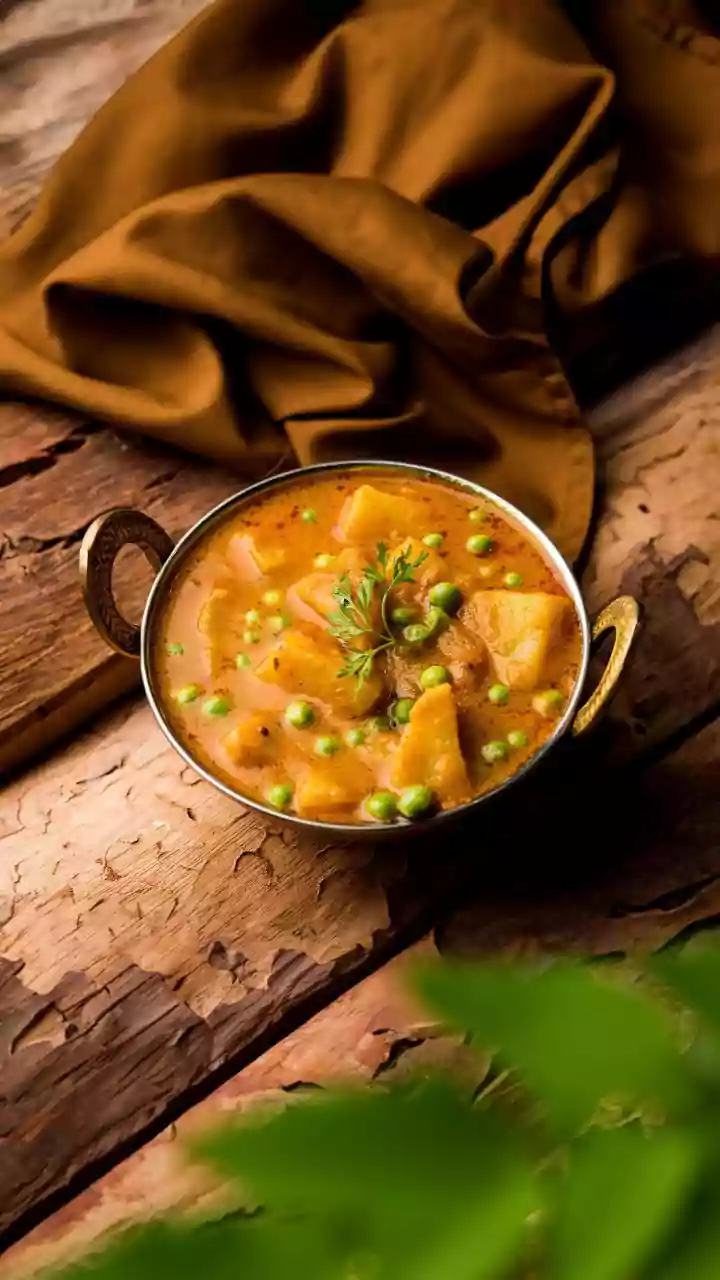
to be 'Instagrammable'. Restaurants now recognise that a visually stunning plate is a powerful marketing tool. A dish that gets shared widely online can generate more buzz than traditional advertising. This has led to a fundamental shift where visual storytelling is as crucial as the taste itself. The inherent vibrancy of Indian cuisine makes it a perfect fit for visual platforms, turning every scroll into a potential craving.
The Anatomy of an Instagrammable Dish
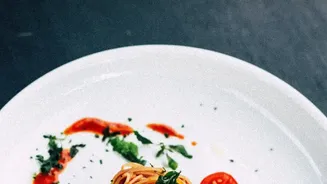
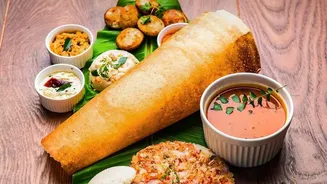
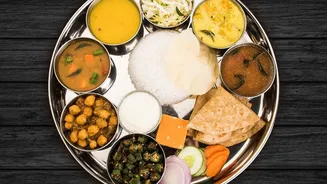
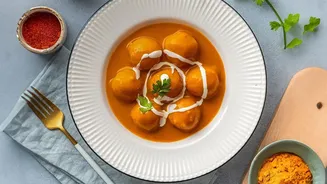
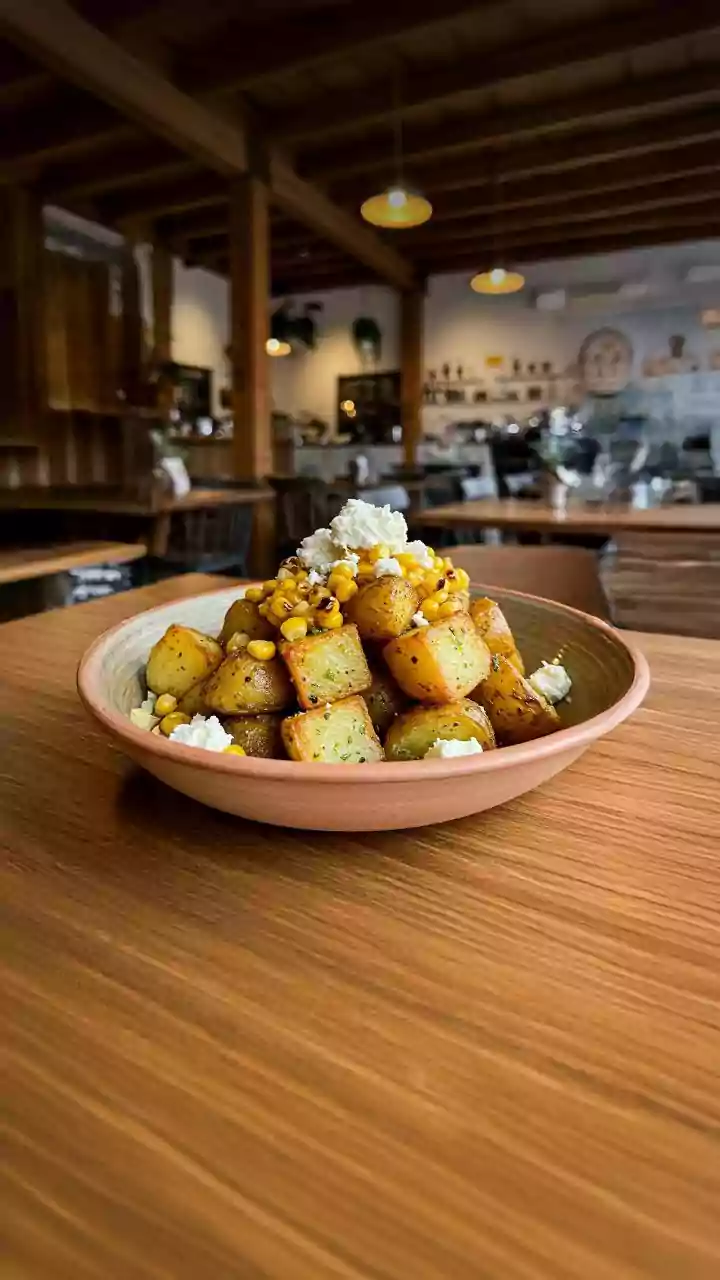
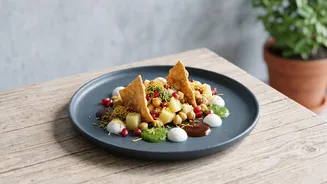
So, what makes a dish ready for its Instagram debut? The new rules of plating are all about creating a 'scroll-stopping' image. Chefs and food stylists now employ specific techniques to make their creations pop on screen. This includes using vibrant, contrasting colours, arranging elements with artistic precision, and playing with negative space on the plate. Interactive elements are also on the rise, with dishes designed to be filmed, such as smoking cocktails, dramatic sauce pours, or desserts with a 'reveal' component. Even the tableware is chosen for its photogenic qualities, moving away from traditional steel thalis to minimalist bowls and rustic plates that photograph better. Oversized or experimental dishes, like giant burgers or fusion chaats, are also designed specifically to grab attention and encourage sharing, even if their primary purpose is visual impact over taste.
The Chef's Creative Challenge
This focus on aesthetics presents a new challenge for chefs. The pressure to create algorithm-friendly food can sometimes clash with culinary traditions. Many chefs now find themselves balancing the need to create a dish that looks good on a small screen with one that delivers complex flavours and textures in person. While some argue that this trend can stifle authentic creativity, others see it as a new frontier for innovation. It has pushed chefs to experiment with presentation and has even led to the revival of forgotten regional dishes that find a new audience online. The platform has also empowered home cooks and food creators, who are becoming major influencers in their own right, inspiring trends from their own kitchens.
Beyond the Kitchen
The influence of Instagram extends far beyond the plate. Restaurants are now being designed as content studios, with careful consideration given to lighting, decor, and backdrops that make for a good photo. This trend has fuelled India's café boom, where the overall aesthetic of the space is as important as the menu. This ecosystem has also turned food influencers and bloggers into key marketing partners for restaurants. By collaborating with creators, restaurants can gain instant visibility and attract a new generation of diners who use Instagram not just for inspiration, but as their primary tool for deciding where to eat.