





The Digital Battlefield
The 2022 Brazilian general election, which saw Luiz Inácio Lula da Silva narrowly defeat incumbent Jair Bolsonaro, was a watershed moment not just for the country, but for the study of modern political campaigns. While political messaging has always been
part of electioneering, the scale and strategy of digital engagement reached a new level of sophistication and intensity. Both campaigns understood that in a hyper-connected country like Brazil, the contest for votes would be won or lost on smartphones. Research showed that participation in political groups on messaging apps strongly correlated with belief in electoral misinformation. This set the stage for a conflict fought not with traditional advertising, but through coordinated networks on platforms like WhatsApp, Telegram, Facebook, and YouTube.
WhatsApp as a Political Weapon
In Brazil, WhatsApp is more than a messaging app; it's a primary source of news and information for a vast portion of the population. This ubiquity makes it a powerful tool for political mobilization and, more problematically, for the rapid spread of disinformation. Campaigns and their supporters operated vast networks of WhatsApp groups, often designed to look like distinct, grassroots communities. In reality, a small number of administrators could control the flow of information to millions, bypassing the fact-checking mechanisms of traditional media. This human-driven infrastructure allowed for the mass dissemination of tailored messages, memes, and decontextualized videos aimed at energizing supporters and attacking opponents.
The Pro-Bolsonaro Disinformation Machine
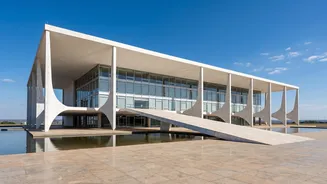
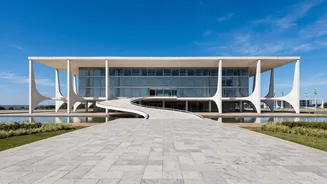
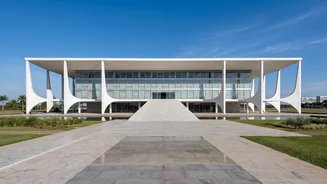
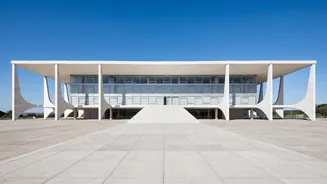
The campaign of Jair Bolsonaro, in particular, was noted for its highly organized and aggressive digital strategy. This operation was allegedly anchored by a group of advisors known as the 'Gabinete do Ódio' or 'Hate Cabinet', which reportedly operated from within the presidential palace itself. This group was accused of orchestrating large-scale disinformation campaigns that targeted political adversaries and undermined faith in democratic institutions, such as the electronic voting system. Using public resources, this network allegedly produced and amplified content across social media, coordinating attacks and spreading false narratives. Following Bolsonaro's defeat, these same digital channels were instrumental in organizing protests and spreading false claims of election fraud, culminating in the storming of government buildings on January 8, 2023.
Lula's Digital Counter-Attack
While the far right's digital prowess had dominated for years, the 2022 election saw a significant shift. After an unexpected loss in the first round of voting, Lula's campaign radically overhauled its online strategy. Recognizing they were losing the digital war, his team embraced the very tools their opponents had mastered. A key element was the creation of 'Exército do Lula' ('Lula's Army'), a WhatsApp channel run by congressman André Janones that grew to over 10 million followers. The channel mobilized supporters with coordinated 'missions' to share content, reclaim national symbols like the yellow football jersey, and counter disinformation. This, combined with Lula himself adopting a more personal, social media friendly approach with selfie videos, helped galvanize supporters and reach disengaged voters, contributing to his narrow victory.
A Global Blueprint for Digital Campaigns
The Brazilian experience is not an isolated case. It serves as a crucial, if unsettling, blueprint for how political battles are increasingly being fought globally, including in India, where WhatsApp and other social media platforms play a central role in shaping political discourse. The tactics seen in Brazil—coordinated messaging, attacks on electoral integrity, and the creation of insular information ecosystems—are becoming common features of modern elections. Private technology companies like Meta have found themselves at the center of controversy, accused by both sides of unequal treatment and having an outsized influence over the distribution of political information. The events in Brazil underscore the urgent challenge facing democracies: how to protect the integrity of the vote in an age where information, and disinformation, travels faster than ever before.