



A Flavour Revolution in Your Coffee Cup
Walk into a trendy café in any of India’s metros, and you might notice a subtle but exciting change. The menus, once dominated by familiar pesto sandwiches and banana bread, are now beginning to feature ingredients that tell a different story. Words like
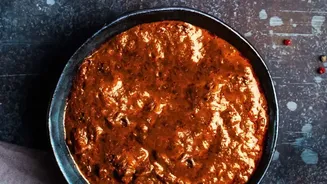
Bhut Jolokia, Axone, and Anishi are appearing in descriptions for dips, sauces, and marinades, bringing the bold and complex tastes of Northeast India to a new generation of diners. This isn't just about adding spice; it's a deeper culinary exploration. Chefs and restaurateurs are looking inward, rediscovering the incredible diversity of India’s regional pantries. As palates evolve, diners are no longer just seeking heat; they're craving the layered, savoury, and often pungent notes that ingredients from states like Nagaland, Assam, and Manipur offer. This movement represents a significant shift from viewing these ingredients as exotic oddities to embracing them as powerful tools for modern culinary expression.
The Ghost Pepper’s Modern Makeover
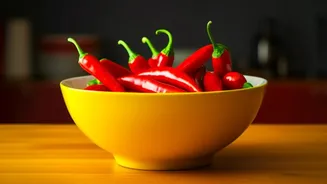
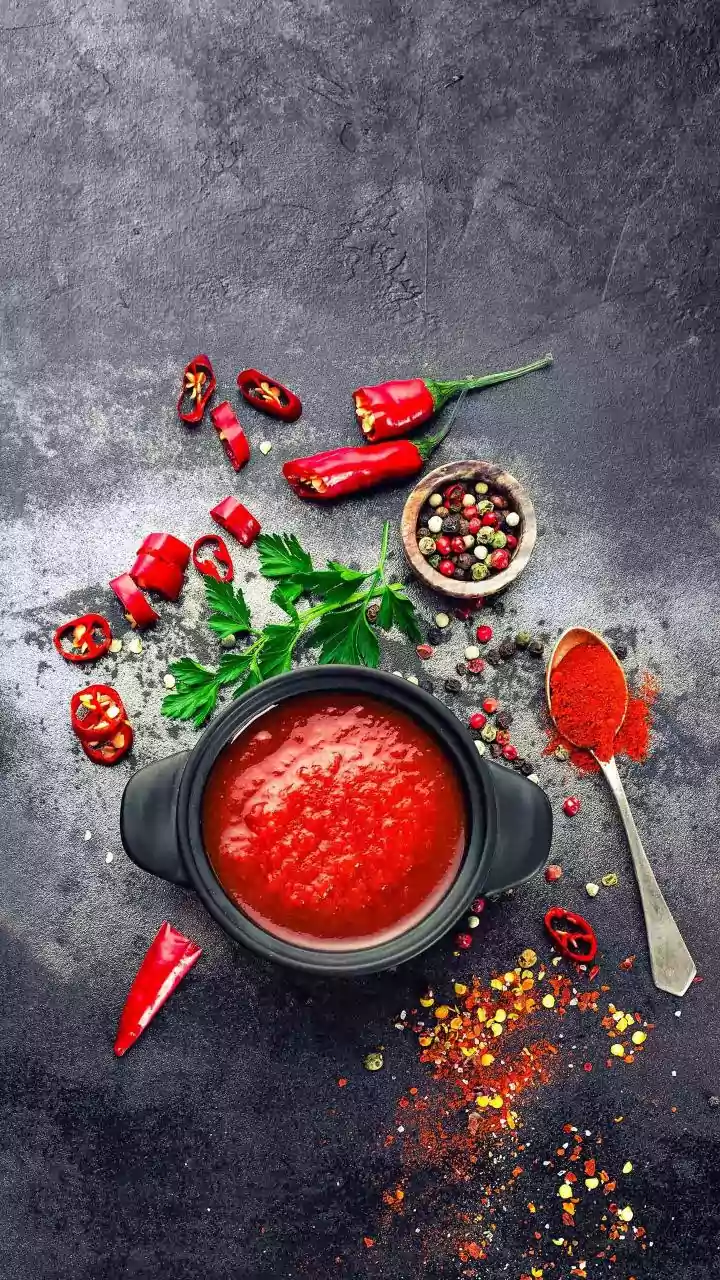
For years, the Bhut Jolokia, or ghost pepper, was known globally for its record-breaking heat, often relegated to internet challenges and daredevil food competitions. In its native Northeast India, however, it has always been a respected component of everyday cooking, valued for the unique flavour it imparts alongside its fire. Now, urban chefs are finally catching on to this nuance. Instead of using it as a gimmick, they are incorporating Bhut Jolokia into sophisticated preparations. You might find it infused in chili oils that dress salads and noodles, blended into punchy dips served with fries, or used to create fiery mayonnaises for burgers and sandwiches. This thoughtful integration allows the pepper's fruity and smoky undertones to shine, providing a balanced heat that enhances rather than overwhelms a dish. This marks a maturation in its culinary journey from a mere novelty to a celebrated flavour enhancer.
The Allure of Fermentation
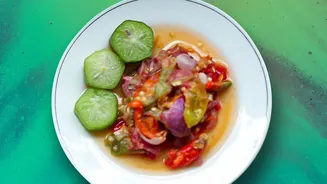
Beyond the immediate thrill of chili heat lies the profound, complex world of fermentation, a practice deeply woven into the fabric of Northeast Indian life. Condiments like Axone (also called Akhuni), a fermented soybean product from Nagaland, are leading this charge. Traditionally used in hearty meat stews, Axone delivers a powerful punch of umami—a deep, savoury flavour that is hard to replicate. Chefs are now harnessing this power, using it as a base for sauces, flavouring for stir-fries, and even creating innovative spice rubs and salts. Similarly, other ferments like Anishi (fermented taro leaves), Gundruk (fermented leafy greens), and various forms of fermented bamboo shoots are finding their way onto menus. Their signature tangy, pungent, and earthy notes provide a depth of flavour that aligns perfectly with the modern diner's growing appreciation for complex, gut-friendly foods.
From Traditional Kitchens to Trendy Plates
So, why is this happening now? The trend is fuelled by a confluence of factors. A new generation of chefs from the Northeast are passionately championing their culinary heritage, reinterpreting traditional dishes with a modern twist that makes them accessible to a wider audience. For example, a classic pork and bamboo shoot dish might be reimagined as a dumpling filling, or a fermented soybean paste could become the secret ingredient in a contemporary vinaigrette. This is coupled with a broader cultural curiosity, where diners are more adventurous and eager to explore the authentic, regional cuisines of their own country. Restaurants are responding, moving beyond the standard North and South Indian fare to showcase the unique flavours the Northeast has to offer. Establishments in cities like Hyderabad and Delhi are now dedicating themselves to modern Naga or broader Northeastern cuisine, introducing these distinct tastes to an entirely new clientele.