


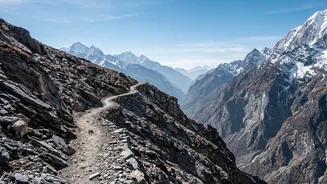
The call of the Himalayas is a powerful one, drawing adventurers to Nepal's epic trails. But a recent, temporary suspension of permits due to weather highlights a crucial truth: trekking rules are not just red tape, they are a lifeline.
A Sobering Reminder from the Trails
In late October
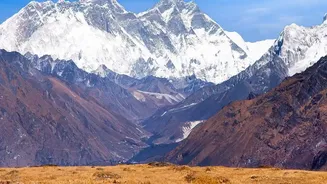
2026, Nepal's Department of Immigration took the proactive step of temporarily halting the issuance of new trekking permits for restricted high-altitude areas from October 29-31. This decision was not arbitrary; it was a direct response to weather warnings predicting heavy snowfall and a heightened risk of avalanches. This 'case' serves as a powerful reminder that conditions in the Himalayas can change in an instant, and official regulations are designed primarily for trekker safety. While this was a temporary, weather-related suspension, it underscores the broader importance of the entire permit system, which is designed to manage who is on the trails and ensure they can be accounted for, especially in emergencies.
More Than Paper: De-Mystifying Permits
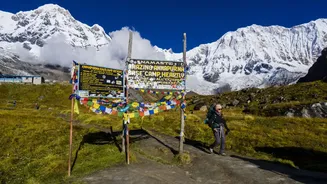
For many, Nepal's permit system seems like an alphabet soup of acronyms. But it’s a structured system with three main components. First is the TIMS (Trekkers’ Information Management System) card, a central registry of trekkers. As of 2026, this digital card with a QR code is mandatory in most regions and must be obtained through a registered trekking agency. Second are the National Park or Conservation Area Permits, like the Sagarmatha National Park Permit for the Everest region or the Annapurna Conservation Area Permit (ACAP). These fund conservation and trail maintenance. Finally, for areas near international borders or with sensitive ecosystems, a Restricted Area Permit (RAP) is required, which carries stricter rules and higher fees.
The Mandatory Guide Rule
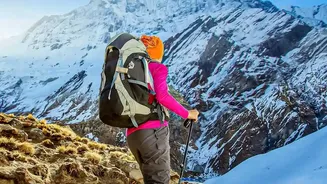
Perhaps the most significant change in recent years, fully enforced in 2026, is the mandatory guide rule. Since April 2023, foreign trekkers in nearly all major trekking regions must be accompanied by a licensed Nepali guide hired through a registered agency. The era of the fully independent solo trek is effectively over for most popular routes. This policy was implemented to enhance trekker safety, reduce incidents of lost or stranded individuals, and provide a direct line of emergency response. It means you can no longer obtain a TIMS card on your own; it is bundled with hiring a guide through an agency. The only major exception remains the Everest (Khumbu) region, where the local municipality has not enforced the rule, though a guide is still highly recommended.
Why the Rules Are Your Best Friend
It’s tempting to see these regulations as a hassle, but they form a critical safety net. The TIMS system creates a database that is invaluable for rescue teams in case of an accident or natural disaster. Permit fees directly contribute to the upkeep of the trails you walk on and the protection of fragile mountain ecosystems. The mandatory guide rule ensures you are with a professional who understands the terrain, weather patterns, and symptoms of altitude sickness. Attempting to bypass these rules carries significant risk. Trekkers caught without valid permits face hefty fines, deportation, or being banned from future trekking. More importantly, in a genuine emergency, being 'off the books' can dangerously delay or complicate rescue efforts.
Getting It Right: A Guide for Indian Trekkers
For Indian citizens, who enjoy visa-free travel to Nepal, it's crucial to understand that trekking regulations still apply. While no visa is needed, you must carry a valid government ID like a passport or Voter ID card. For permits, Indians benefit from reduced SAARC nation rates for the TIMS card and some park fees. For instance, the TIMS card costs NPR 1,000 for SAARC nationals through an agency, compared to NPR 2,000 for other foreigners. However, the mandatory guide rule applies equally. The simplest and safest approach is to work with a government-registered trekking agency in Nepal. They will handle all the necessary permits—TIMS, park fees, and any RAP—and assign a licensed guide, ensuring your trek is fully compliant, safe, and stressfree.