



The Charm of Orthodox Tea
In India, most of us are familiar with CTC (Crush, Tear, Curl) tea, the small, granular pellets perfect for a strong, milky cup of chai. Orthodox tea, however, is a different world. It refers to the traditional method of tea production where leaves are carefully
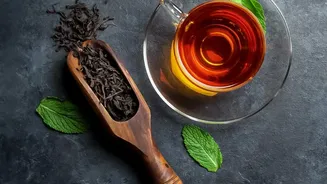
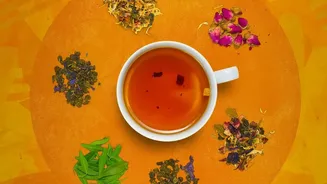
hand-plucked and processed to remain whole or in large, twisted pieces. This artisanal method preserves the delicate, complex flavours and aromas of the tea leaf. Think of the floral notes of a Darjeeling First Flush, the malty richness of an Assam Orthodox, or the crispness of a Nilgiri tea. While CTC tea is bold and robust, designed to stand up to milk and spices, orthodox tea offers a more nuanced and layered tasting experience, making it ideal for preparations where the leaf's character can truly shine.
Discovering the Magic of Cold Brew
Cold brewing isn't just for coffee. This gentle technique involves steeping tea leaves in cold or room-temperature water for an extended period, typically 8 to 12 hours. Instead of using heat to rapidly extract flavour, cold brewing uses time. The result is a dramatically different taste profile. The process extracts fewer tannins, the compounds that can make hot-brewed tea taste bitter or astringent. This leaves you with a beverage that is remarkably smooth, naturally sweeter, and exceptionally refreshing. While the caffeine content is often slightly lower, the flavour is clean and bright, allowing the subtle notes of the orthodox leaves to come forward in a way that hot brewing sometimes masks. It’s a fool-proof method that rewards patience with a sublime cup.
Your Simple Guide to Cold Brewing
Making your own cold-brewed tea couldn't be easier. You don’t need any fancy equipment—just a clean glass jar or pitcher, your tea, and water. As a starting point, use a ratio of about 1 to 1.5 teaspoons of loose orthodox tea leaves for every 250ml of water. Simply combine the leaves and cool, filtered water in your jar, cover it, and place it in the refrigerator. Let it steep for at least 8 hours, though some teas can infuse for up to 12 hours or more without becoming bitter. Feel free to taste it along the way to find your preferred strength. Once it’s ready, strain the leaves using a fine-mesh sieve, and your elevated tea is ready to be served.
A Touch of Botanical Brilliance
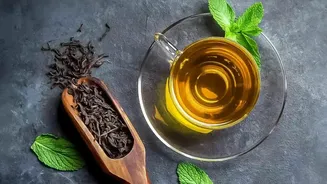
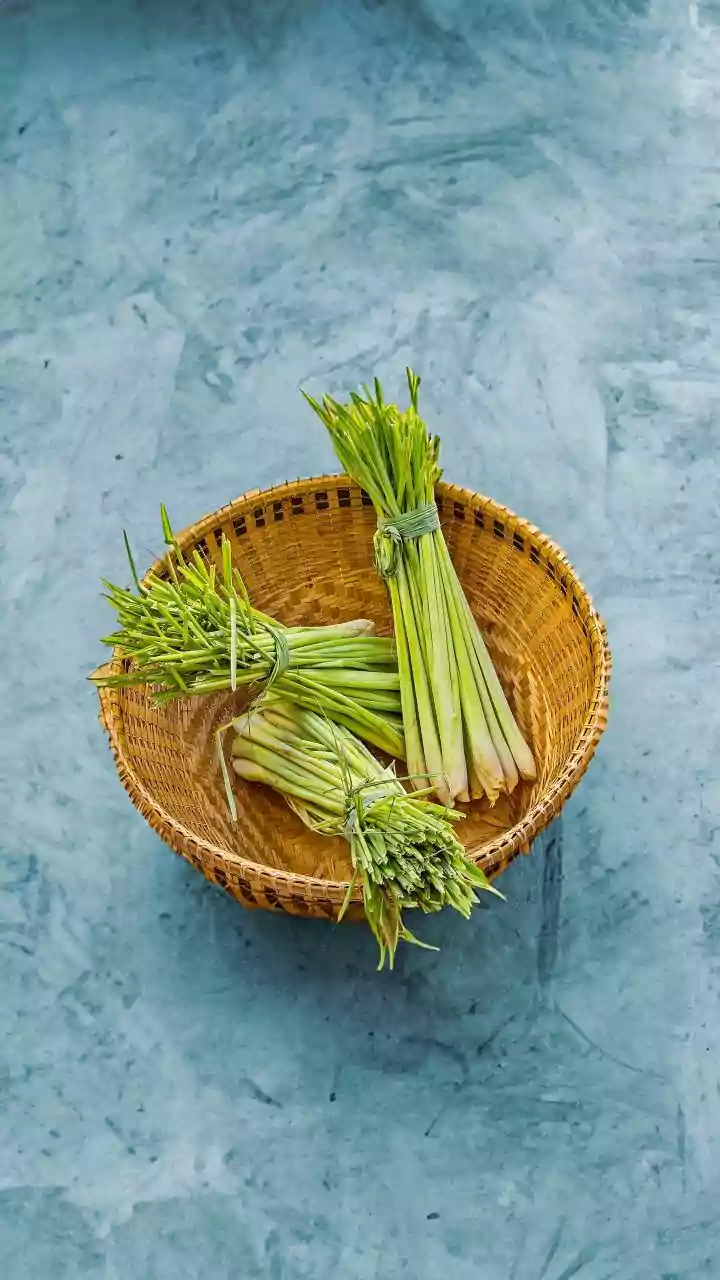
The real artistry begins when you introduce fresh botanicals. Adding herbs, spices, or fruit can complement and enhance your cold brew. For a local touch, try adding a few sprigs of fresh mint or tulsi during the brewing process. Slices of lemon or sweet lime, or even a curl of orange peel, can add a bright, citrusy dimension that pairs beautifully with black teas like Darjeeling or Nilgiri. For a floral infusion, consider adding a few organic rose petals or a pinch of dried hibiscus. For a hint of spice, a thin slice of fresh ginger or a single cinnamon stick can be added. It's best to add milder herbs during the full steep, while stronger flavours and fresh fruit are often best added in the last hour or as a garnish to avoid overpowering the tea.
Serving and Savouring Your Creation
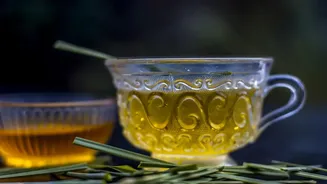
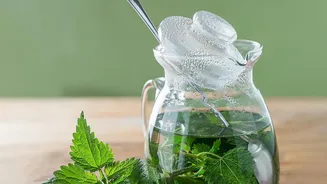
Presentation is part of the pleasure. Serve your cold-brewed botanical tea in a clear glass pitcher to show off its beautiful colour. Pour it over ice into tall glasses and garnish with a fresh sprig of the botanical you used, like mint or lavender, or a slice of citrus. This refined beverage is perfect on its own as a hydrating, mindful treat on a warm afternoon. It also pairs wonderfully with light snacks that won't overwhelm its delicate flavour. Think cucumber sandwiches, light almond cakes, fresh fruit tarts, or simple butter cookies. The experience is less about a quick caffeine hit and more about pausing to appreciate a simple, elegant creation you’ve made yourself.