





What Exactly Has Changed?
The most significant change comes from the ICMR's updated Recommended Dietary Allowance (RDA). The guidance for an average adult has been increased substantially from 600 mg per day to 1000 mg per day. This nearly 70% jump is a major revision. For perspective,
one glass of milk contains roughly 300 mg of calcium. The new recommendation means that the old standard of a glass of milk and some curd daily may no longer be sufficient to meet the target. The guidelines also specify higher amounts for lactating women and post-menopausal women, who are advised to get 1200 mg per day. This change reflects a growing body of evidence about bone health and the prevalence of deficiencies in the Indian population.
Why the Renewed Focus on Calcium?
The updated guidelines are a response to a 'twin nutrient deficiency' of Vitamin D and calcium in India. National surveys revealed that a significant portion of the population was not meeting their daily calcium needs, contributing to a high burden of osteoporosis and other bone-related health issues later in life. By increasing the recommended intake, health authorities aim to proactively address long-term bone density problems. The guidance emphasizes a 'food first' approach, urging people to meet their needs through diet rather than immediately turning to supplements. This push is part of a broader strategy to combat non-communicable diseases by improving the foundational quality of the Indian diet.
Beyond Dairy: Your Calcium-Rich Grocery List
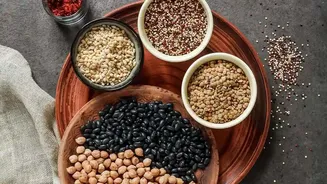
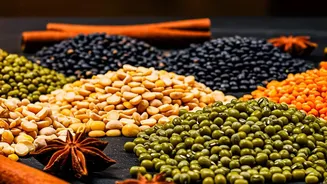
While milk, paneer, and curd are excellent calcium sources, they aren't the only options. For those who are lactose intolerant or follow a plant-based diet, a diverse range of Indian foods can help bridge the gap. Millets are a standout, with ragi (finger millet) containing over three times the calcium of milk. Pulses and legumes like horse gram (kulthi), chickpeas (chana), and kidney beans (rajma) are also potent sources. Don't forget green leafy vegetables like amaranth leaves, moringa (drumstick leaves), and spinach (palak), as well as seeds, particularly sesame (til) seeds, which are packed with calcium. Integrating these into your regular grocery shopping makes meeting the new target far more achievable.
A Day of Calcium-Conscious Eating
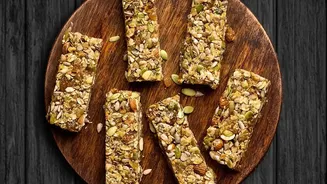
Meeting the 1000 mg target requires a conscious effort throughout the day. Here’s what a sample day could look like. Start your morning with ragi dosas or a bowl of porridge topped with almonds and sesame seeds. For lunch, a serving of dal (like horse gram or black gram), a vegetable curry with leafy greens like spinach, and a side of curd can significantly boost your intake. A mid-day snack could be a handful of roasted makhana (lotus seeds) or almonds. For dinner, a paneer or tofu-based dish with whole wheat rotis ensures you end the day on a strong note. The key is to include a calcium-rich element in every meal, rather than trying to get it all in one go.
Simple Swaps for a Big Impact
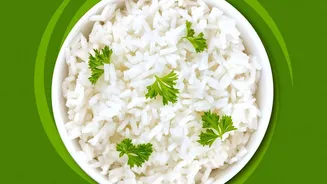
You don't need a complete diet overhaul to increase your calcium intake. Small, consistent changes can make a huge difference. Consider swapping white rice with millets like ragi a few times a week. When making roti dough, add a spoonful of roasted sesame seed powder. Sprinkle chia seeds or almonds on your oatmeal or salads. Choose lentils like rajma, chana, or kulthi dal more frequently. If you consume dairy, a simple bowl of curd with your lunch or a glass of milk before bed can easily add 200-300 mg to your daily total. The goal is to make these swaps a natural part of your routine, turning meal planning into an effortless way to support your long-term bone health.