





An Ancient Elixir Rediscovered
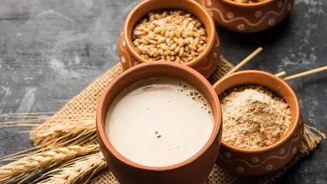
For generations, Ambali has been a staple in the rural kitchens of states like Karnataka, Andhra Pradesh, and Telangana. It's a simple, sour-ish porridge or drink traditionally made by cooking ragi (finger millet) flour with water, and then allowing the mixture
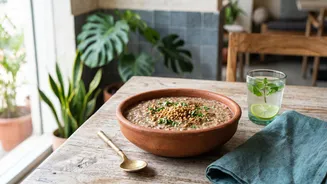
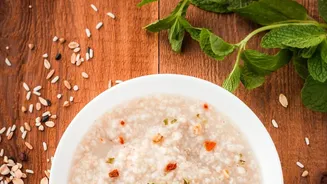
to ferment overnight. This fermented gruel is typically mixed with buttermilk, salt, and sometimes finely chopped onions or herbs, served cool to provide sustained energy for farmers and laborers working under the hot sun. Before probiotics became a wellness buzzword, Ambali was the original gut-friendly drink, valued for its cooling properties and affordability. Now, this same rustic beverage is finding a new audience among city dwellers seeking authentic, natural health solutions.
Why Is Ambali Trending Now?
The resurgence of Ambali isn't a coincidence. It’s part of a larger shift towards embracing indigenous foods and ancient wisdom. As urban consumers move away from imported 'superfoods' like quinoa, there is a growing appreciation for local, nutrient-dense alternatives like millets. This trend is fueled by a deeper interest in functional health—not just cutting calories, but consuming foods that offer tangible benefits, like improved gut health and stable energy levels. The global focus on gut microbiome health has made fermented foods particularly popular, and Ambali is a perfect, homegrown example. The drink's natural, probiotic-rich profile makes it an attractive alternative to sugary, processed beverages.
The Nutritional Power of Fermentation
The magic of Ambali lies in its fermentation. This natural process does more than just give the drink its characteristic tangy flavour; it transforms it into a nutritional powerhouse. The fermentation introduces beneficial probiotic bacteria that support a healthy gut, improve digestion, and can even boost immunity. Furthermore, the process breaks down 'anti-nutrients' like phytic acid found in grains. This reduction in phytic acid means the body can more easily absorb the rich minerals present in ragi, including calcium, iron, and zinc. Ragi itself is a gluten-free grain celebrated for being one of the best plant-based sources of calcium, making Ambali excellent for bone health.
From Traditional Gruel to Cafe Smoothie
While the soul of Ambali remains traditional, its presentation in urban cafes is evolving. Some wellness cafes and health-focused restaurants are serving it in its classic savoury form, seasoned with buttermilk and spices. Others are experimenting, using the fermented millet base as a foundation for modern smoothies, perhaps blending it with fruits or dates for a sweeter take, though the traditional version is unsweetened. This adaptability allows a new generation to experience its benefits in a format that feels familiar. Whether served in a traditional clay pot or a trendy glass, the core offering is the same: a cooling, hydrating, and deeply nourishing drink that connects the drinker to a long legacy of Indian culinary wisdom.